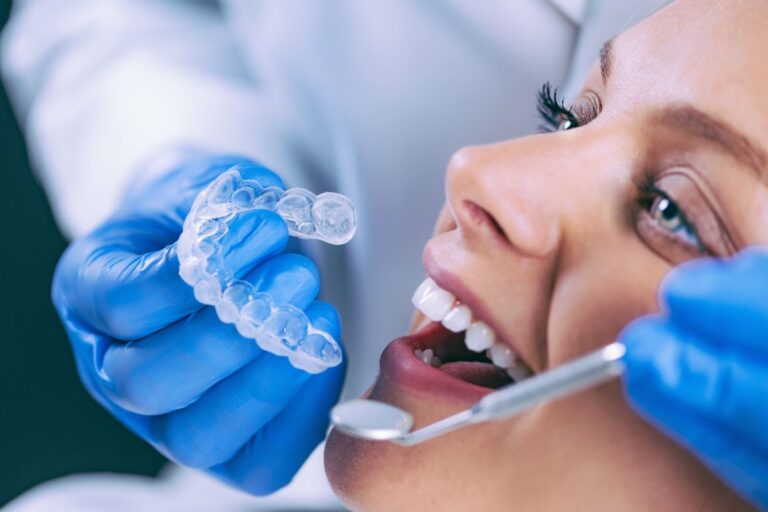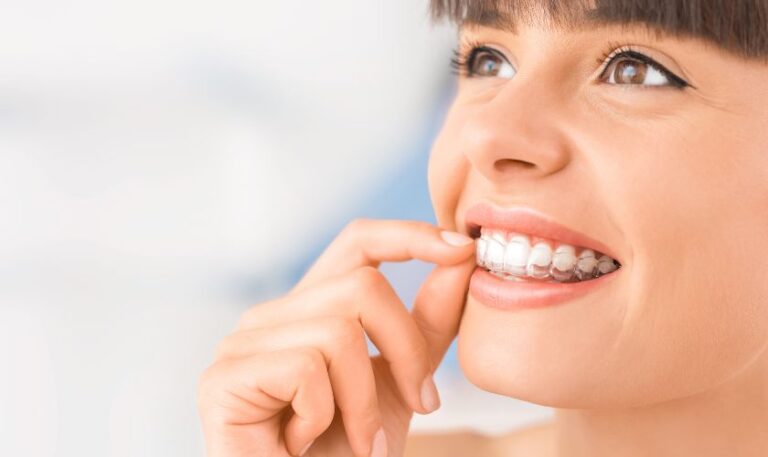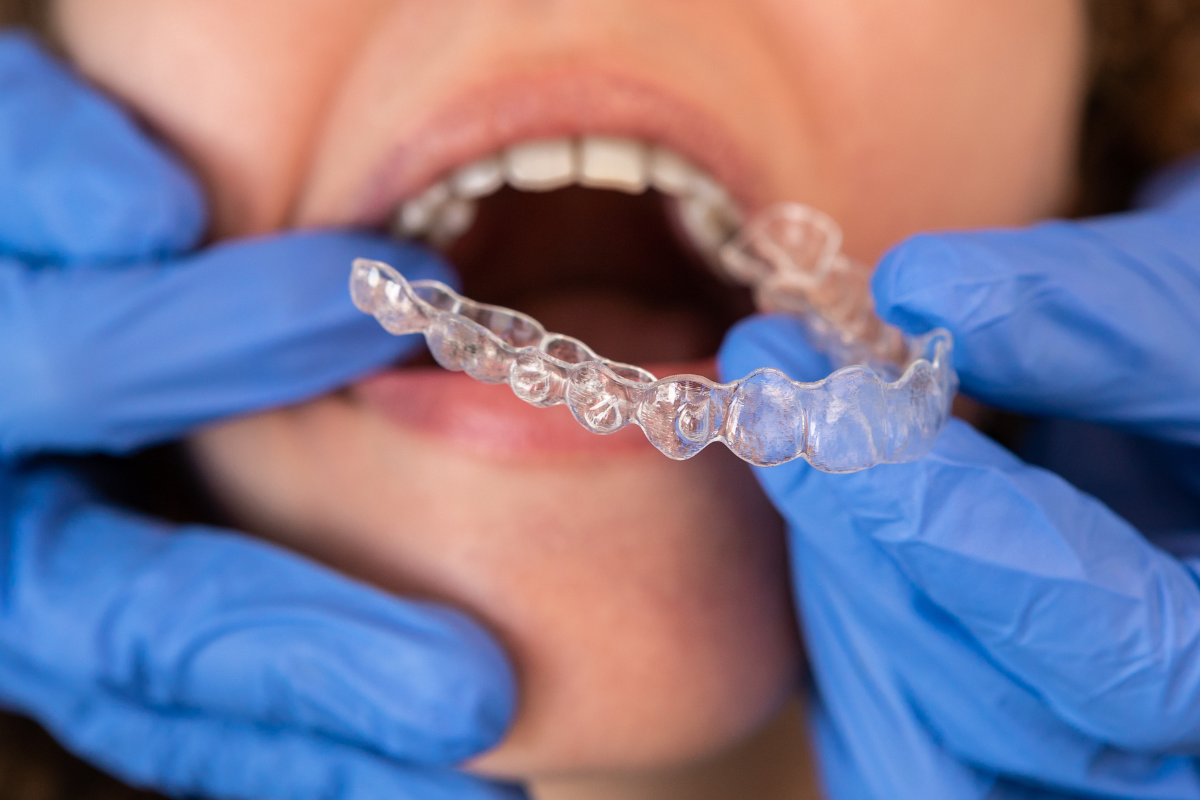
Can You Get Invisalign If You Have Dental Crowns or Veneers?
If you have dental crowns or veneers, you may wonder whether you can straighten your teeth without putting your existing dental work at risk. Perhaps you had a crown placed after a root canal, received veneers to improve your smile, or invested in cosmetic dentistry years ago. Now, you are considering clear aligners but are unsure whether your restorations could complicate treatment.
The good news is that having dental crowns or veneers does not automatically rule out Invisalign treatment. Many people with existing dental restorations may still be candidates for clear aligners. However, the condition of your restorations, the position of your teeth, your bite, and the movements needed to achieve your goals all matter.
If you are exploring Invisalign in San Antonio, understanding how orthodontic treatment interacts with existing dental work can help you prepare for a more informed consultation. At Westlakes Family Dental, we provide dental care tailored to each patient’s needs, helping patients understand their options before deciding on a treatment plan.
Can You Get Invisalign With Dental Crowns or Veneers?
In many cases, yes. Teeth with crowns can be moved orthodontically, according to the American Association of Orthodontists. However, treatment planning may need additional consideration when teeth have crowns, veneers, or other restorations. Source: American Association of Orthodontists.
The important distinction is that Invisalign moves teeth; it does not simply change the appearance of the visible tooth surface. Your dentist must evaluate the natural tooth, the restoration attached to it, the surrounding gums, and how the teeth fit together.
Whether Invisalign is appropriate depends on factors such as:
- The type and location of your dental restoration
- Whether the crown or veneer is stable and in good condition
- The amount and direction of tooth movement required
- Your gum health and overall oral health
- Your bite and the relationship between your upper and lower teeth
- Whether attachments or other treatment-planning adjustments may be needed
An examination helps determine whether clear aligners can address your alignment concerns while accounting for your existing dental work.
How Invisalign Works With Dental Crowns
A dental crown is a restoration that covers much or all of the visible portion of a tooth. Dentists may recommend crowns to restore teeth weakened by extensive decay, fractures, large fillings, or certain dental procedures.
Having a crown does not mean the tooth cannot move. Orthodontic treatment can move a crowned tooth because the movement occurs through the supporting structures around the tooth, not because the crown itself shifts independently.
However, the crown and the tooth beneath it need to be assessed before treatment begins.
Does Invisalign work on crowned teeth?
A crowned tooth may respond to orthodontic forces, but the treatment plan must account for the restoration. Your dentist will consider the crown’s condition, the tooth’s health, and the movement required.
For example, a patient with one stable crown and mild crowding may have different treatment needs from someone with several crowns, a complex bite concern, or a restoration that is already loose or damaged.
Your provider may also need to consider how aligners fit over the crowned tooth and whether the planned tooth movement can be achieved predictably.
Can Invisalign damage a dental crown?
A crown does not automatically make Invisalign unsafe, but existing restorations should be evaluated before treatment. A crown that is cracked, loose, poorly fitting, or associated with underlying tooth or gum problems may need attention first.
The aligners must fit properly, and the forces used to move teeth must be planned appropriately. If a crown feels loose or you experience pain when biting, tell your dentist before starting orthodontic treatment.
Do not assume that discomfort is simply part of getting used to aligners. A dental evaluation can help identify whether the problem involves the restoration, the tooth underneath it, your bite, or another issue.
Can You Get Invisalign With Veneers?
Veneers are thin restorations bonded to the front surfaces of teeth. They are often used to improve the appearance of discoloration, chips, minor shape differences, or other cosmetic concerns.
Unlike a crown, which covers much or all of a tooth’s visible portion, a veneer generally covers only the front surface. This difference matters when planning orthodontic treatment.
Patients with veneers may be candidates for Invisalign, but their restorations need careful evaluation. Your dentist must consider the condition of the veneer, how it is bonded, and whether the planned tooth movements are appropriate.
Will Invisalign make veneers fall off?
Veneers do not automatically prevent orthodontic treatment. However, no provider should guarantee that a restoration will remain problem-free without examining it first.
The condition of the bonding, the health of the underlying tooth, your bite, and the movements required can all affect treatment planning. If a veneer is chipped, loose, or has a history of bonding problems, that information is important before starting aligners.
Your dentist may determine that Invisalign is reasonable, recommend addressing a restoration first, or discuss another approach based on your individual circumstances.
Can Invisalign attachments be placed on veneers?
Invisalign treatment sometimes uses small tooth-colored attachments to help aligners guide specific tooth movements. Whether an attachment can be placed on a particular restored tooth depends on the restoration’s material, surface, bonding considerations, and the movement planned.
Your provider may need to modify the attachment plan or use a different approach for certain teeth. Do not assume every veneer can support the same attachment technique used on natural enamel.
This is one reason a professional assessment is important before committing to a treatment plan.
What Should Your Dentist Check Before Invisalign Treatment?
If you have crowns or veneers, a consultation should involve more than checking whether your teeth look crooked. Your provider needs to understand your overall dental health and how the proposed tooth movements may affect your restorations.
1. The condition of your crowns or veneers
Your dentist will assess whether the restorations appear stable and intact. Cracks, chips, loose restorations, worn edges, or signs of problems around the margins may need further evaluation.
2. The health of your natural teeth and gums
Orthodontic treatment should be planned around your oral health. Cavities, gum inflammation, active periodontal concerns, or other dental problems may need to be addressed before aligners are started.
A healthy foundation helps your provider plan treatment with your long-term dental health in mind.
3. Your bite and alignment
Crowding, spacing, rotations, and bite problems can influence the type of tooth movement required. Your dentist will consider how your upper and lower teeth meet and whether the proposed treatment is appropriate for your case.
4. The number and position of restorations
One crown in the back of the mouth presents different planning considerations from several front teeth covered by veneers. The location and extent of your dental work can affect aligner fit, attachment placement, and the sequence of treatment.
5. Your previous dental treatment
Tell your dentist about previous root canals, crowns, veneers, implants, bridges, and orthodontic treatment. Existing dental records or information from a previous dentist may help your provider understand your restorations and plan appropriately.
Should You Get Invisalign Before or After Veneers or Crowns?
The right sequence depends on your dental needs and the reason you want to change your smile. There is no single order that works for every patient.
When Invisalign may come first
If your teeth need repositioning and you are also considering cosmetic restorations, your dentist may recommend evaluating orthodontic treatment first. Moving teeth before placing new veneers or crowns can help the restorative plan account for the teeth’s intended positions.
This may be particularly relevant when your goal involves improving alignment as well as tooth shape or color.
When crowns or veneers may need attention first
If an existing restoration is damaged, loose, or associated with pain, your dentist may recommend evaluating and treating that issue before beginning orthodontic care.
Sometimes a restoration may need to be repaired or replaced before treatment can proceed. In other cases, a dentist may recommend completing orthodontic treatment first and reassessing the final restorative needs afterward.
The appropriate sequence depends on the condition of your teeth, the type of restoration, and your overall treatment goals. Your dentist should explain the reasoning behind the recommended order.
What If You Need a New Crown or Veneer After Invisalign?
Orthodontic treatment can change the position of your teeth and the way they meet. If you are considering new crowns or veneers, those changes may influence the final restorative design.
For that reason, it is helpful to discuss your long-term plans before treatment begins. Your dentist can evaluate whether orthodontic treatment, restorative dentistry, or a coordinated approach makes the most sense.
Not every patient will need new dental work after Invisalign. Existing restorations may remain appropriate, depending on their condition and the treatment completed. Any decision to repair or replace a restoration should be based on a clinical evaluation, not simply on the fact that your teeth have moved.
How to Care for Crowns and Veneers During Invisalign
Good oral hygiene and regular dental monitoring remain important throughout treatment. Removable aligners allow you to take them out for meals and routine brushing and flossing, but you still need to clean your teeth thoroughly before putting the trays back in.
Keep these habits in mind:
- Brush and floss consistently. Clean around the edges of crowns and veneers, where plaque can accumulate.
- Clean your aligners as instructed. Follow your provider’s guidance and avoid hot water that could distort the trays.
- Remove aligners before eating. Follow your treatment instructions, and clean your teeth before reinserting them.
- Store trays safely. Use their protective case when they are not in your mouth.
- Attend scheduled checkups. Your dental team can monitor your progress and identify concerns that may need attention.
- Report changes promptly. Contact your dentist if a crown or veneer feels loose, a restoration chips, your aligners stop fitting as expected, or you develop persistent discomfort.
These steps support your oral health and help your provider monitor both your orthodontic progress and your existing dental work.
Is Invisalign Right for You if You Have Existing Dental Work?
The answer depends on your individual smile. Some patients with crowns or veneers may be able to proceed with clear aligners, while others may need restorative treatment, a different orthodontic approach, or a coordinated plan.
Invisalign and cosmetic restorations also serve different purposes. Clear aligners move teeth to address alignment concerns, while veneers primarily change the appearance of tooth surfaces and crowns restore or protect damaged teeth. One treatment is not automatically a substitute for the other.
If you are considering Invisalign in San Antonio, bring up your existing restorations during your consultation. Share any concerns about their condition and explain what you hope to change about your smile. This gives your dental team a better starting point for discussing suitable options.
At Westlakes Family Dental, we provide Invisalign and restorative dental services in San Antonio. Our team can assess your dental needs and help you understand the next steps based on your individual situation.
Frequently Asked Questions
1. Can I get Invisalign if I have a dental crown?
Yes, a dental crown does not automatically prevent Invisalign treatment. Your dentist will need to evaluate the crown’s condition, your tooth and gum health, and the movements required to determine whether clear aligners are appropriate.
2. Can Invisalign damage porcelain veneers?
Veneers do not automatically rule out Invisalign, but the restorations and their bonding need to be assessed. Your provider will consider the planned tooth movements and whether any attachments or other treatment adjustments are appropriate.
3. Do Invisalign attachments stick to crowns or veneers?
Attachment placement depends on the restoration’s material, surface, bonding considerations, and the treatment plan. Your dentist may adjust the attachment strategy for restored teeth rather than using the same approach on every tooth.
4. Should I get veneers before or after Invisalign?
If you need both treatments, your dentist may recommend aligning the teeth before placing new veneers so the final restorations can be designed around the intended tooth positions. The right sequence depends on your oral health, alignment needs, and cosmetic goals.
5. Can I get Invisalign if I have several crowns or veneers?
Possibly. The number and location of restorations, their condition, your bite, and the amount of tooth movement required all influence candidacy. A dental evaluation is the best way to determine which treatment options are appropriate.
Explore Invisalign Options at Westlakes Family Dental
Having dental crowns or veneers does not necessarily mean you have to give up on the idea of straighter teeth. With careful evaluation and individualized planning, some patients with existing restorations can pursue orthodontic treatment while accounting for their dental work.
If you are considering Invisalign in San Antonio, Westlakes Family Dental can help you explore your options and understand what your smile may need before treatment begins.
Our office is located at 9522 Potranco Road, San Antonio, TX 78251, serving Northwest San Antonio, Westover Hills, Alamo Ranch, and nearby communities. Call (210) 569-0205 or visit us to request an appointment and discuss your smile goals with our team.