Braces or Invisalign? Understanding the Pros, Cons & Treatment Outcomes
Achieving a straighter, healthier smile is a goal many patients share, but choosing the proper orthodontic treatment can feel overwhelming. Both traditional braces and Invisalign offer effective ways to correct misalignment, improve bite function, and enhance overall confidence. However, each option comes with its own set of benefits, limitations, and expected results. Understanding how they differ can help you make an informed choice that aligns with your lifestyle and smile goals.
If you’re considering orthodontic treatment for yourself or your teen, it’s important to understand how each option works, what to expect throughout the process, and how it may impact your daily routine. This guide simplifies everything you need to know, helping you feel confident in making the right decision.
Key Differences Between Braces and Invisalign
Traditional braces and Invisalign follow the same principle—gradually moving teeth into better alignment—but they achieve this in different ways. Braces use brackets and wires to apply steady pressure, while Invisalign uses a series of clear, removable aligners.
Appearance and Visibility
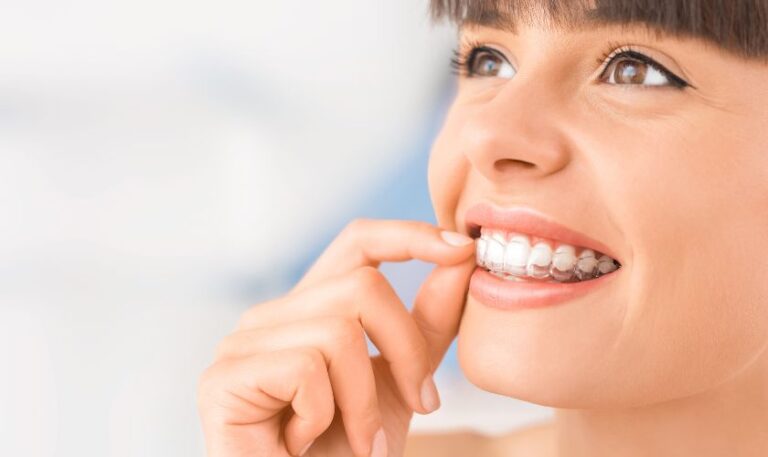
Braces are visible, whether metal or ceramic, making them more noticeable when speaking or smiling. Invisalign, however, is nearly invisible, appealing to patients who prefer a subtle approach. This makes clear aligners especially popular among adults and teens who want minimal impact on their appearance.
Comfort and Daily Wear Experience
Braces remain on your teeth throughout the entire treatment and may sometimes irritate due to brackets or wires. Invisalign trays are smooth, removable, and typically more comfortable. At this stage of your journey, your dentist may recommend Invisalign treatment — a flexible, discreet solution that fits seamlessly into your lifestyle.
Pros and Cons of Traditional Braces
- Effective for severe misalignment or complex bite issues
- Not removable, ensuring consistent progress
- Available in metal or ceramic options
- Requires careful cleaning around brackets and wires
- More noticeable appearance compared to clear aligners
Pros and Cons of Invisalign Clear Aligners
- Nearly invisible, offering a discreet orthodontic experience
- Removable during meals and brushing
- More comfortable with no metal components
- Requires discipline—you must wear aligners 20–22 hours per day
- Not ideal for some complex alignment cases
Expected Treatment Outcomes with Each Option
Both braces and Invisalign deliver excellent long-term results when worn as instructed. Braces are often preferred for significant adjustments or bite corrections, while Invisalign is ideal for mild to moderate alignment concerns. Many patients appreciate that Invisalign lets them see progress more clearly with each new set of aligners. Regardless of the option, working with an experienced dentist ensures that your treatment plan is tailored to your needs and supports optimal outcomes.
How to Choose the Right Orthodontic Treatment for You
Choosing between braces and Invisalign depends on your alignment needs, lifestyle, age, and personal preferences. Factors such as treatment duration, comfort, aesthetics, and daily wear habits will influence your final decision. Your dentist will evaluate your oral health, discuss your goals, and help you determine which solution offers the best balance of comfort and effectiveness.
If you’re in San Antonio, getting the proper professional guidance can make your decision much easier. Whether you’re seeking improved confidence, better bite function, or long-term oral health, selecting the appropriate orthodontic solution is key. Westlakes Family Dental is here to support you every step of the way. Schedule your appointment today and start your journey toward a healthier, straighter smile.
FAQs About Braces vs. Invisalign – Pros, Cons, and Results
1. Are braces better than Invisalign?
Both work effectively; the best option depends on your alignment needs.
2. How long does Invisalign take compared to braces?
Invisalign often takes 12–18 months, while braces may require 18–24 months.
3. Can I eat normally with Invisalign?
Yes, since aligners are removable during meals.
4. Do braces hurt more than Invisalign?
Braces may cause more irritation due to brackets and wires.
5. How often should I visit the dentist during treatment?
Most patients have check-ins every 4–8 weeks.
6. Can Invisalign fix bite issues?
Yes, but severe cases may require braces.
7. Is orthodontic treatment safe for adults?
Absolutely—many adults complete alignment therapy.