Can Invisalign Fix More Than Crooked Teeth? Problems Clear Aligners Can Address
A straighter smile can do more than improve the way your teeth look. When teeth are crowded, spaced too far apart, or positioned unevenly, they can also affect how you bite, chew, speak, and clean your mouth. These alignment concerns may make everyday oral care more difficult and can sometimes contribute to uneven tooth wear or discomfort.
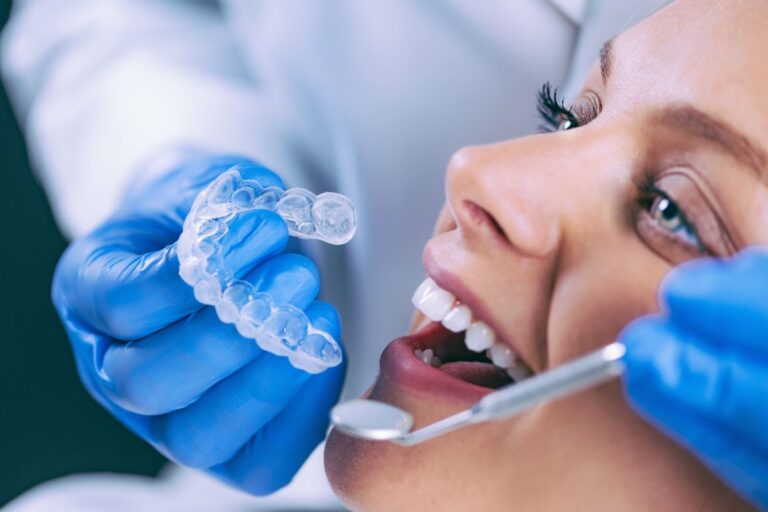
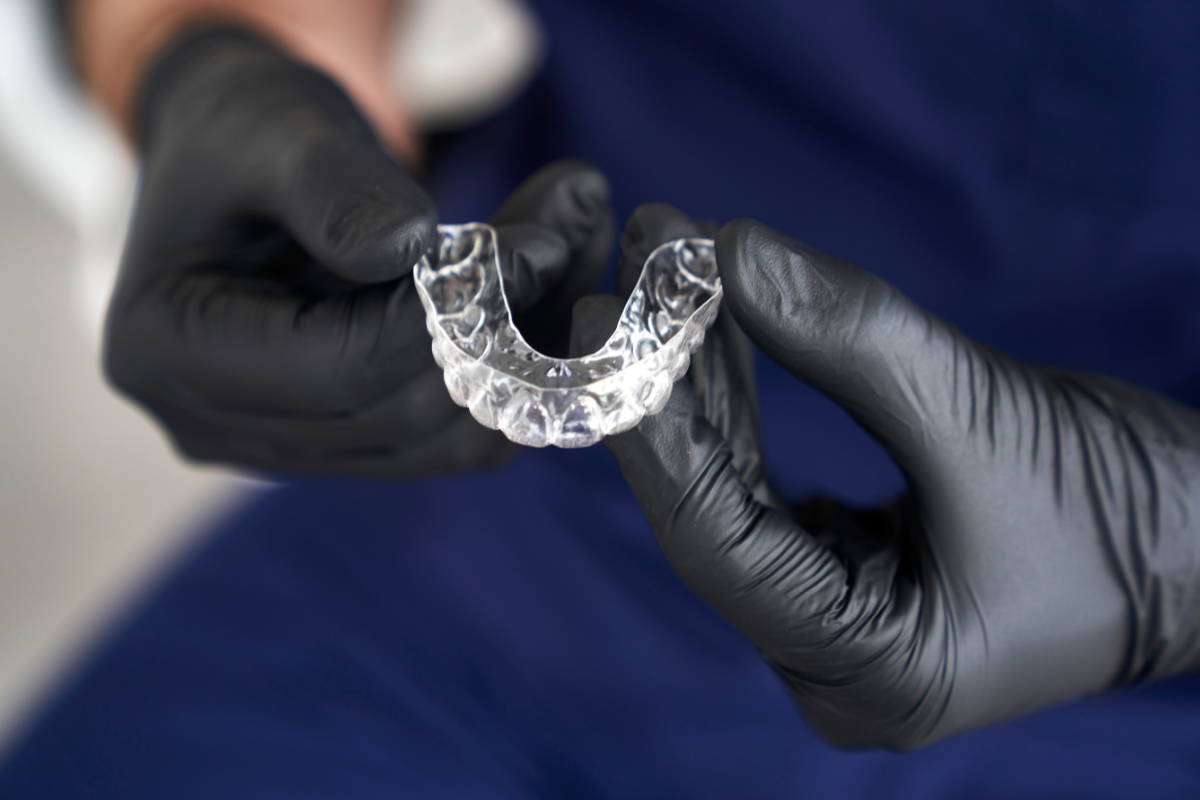
That is why clear aligner treatment has become an appealing option for many adults and teens who want to improve both the appearance and function of their smiles. Invisalign San Antonio treatment can address several common alignment and bite concerns while using a series of removable, nearly invisible aligners instead of traditional metal braces.
At Westlakes Family Dental, we provide personalized Invisalign treatment designed around each patient’s smile, dental needs, and treatment goals. Whether you are concerned about crowded teeth, gaps, or certain bite problems, our local dental practice can help determine whether clear aligners are an appropriate solution.
What Can Invisalign Actually Fix?
Many people think of Invisalign as simply a way to straighten crooked teeth. While improving tooth alignment is an important part of treatment, clear aligners can address a broader range of orthodontic concerns.
Depending on your individual case, Invisalign may help with:
- Crowded teeth
- Gapped or spaced teeth
- Certain overbite concerns
- Certain underbite concerns
- Crossbite
- Uneven tooth alignment
- Mild to moderate tooth rotations
- Some bite-related alignment problems
- Teeth that have shifted after previous orthodontic treatment
The key is that Invisalign treatment is customized. Not every orthodontic problem can be treated with clear aligners alone, and the complexity of your case determines whether Invisalign is the right choice.
1. Crowded Teeth
Crowding occurs when there is not enough space in the mouth for teeth to fit properly. As a result, teeth may overlap, twist, or sit behind or in front of neighboring teeth.
Crowded teeth can affect more than your smile.
When teeth overlap, brushing and flossing between them can become harder. Areas that are difficult to clean may allow plaque to accumulate more easily.
Clear aligners can gradually move teeth toward planned positions, helping create a more orderly alignment.
Why correcting crowding can matter
Improving crowded teeth may make it easier to:
- Brush all tooth surfaces
- Floss between teeth
- Maintain a cleaner smile
- Improve overall tooth alignment
- Create a more balanced appearance
Your dentist will first evaluate your teeth and supporting structures to determine whether aligners can safely address your particular level of crowding.
2. Gaps Between Teeth
Spaces between teeth are another common concern that Invisalign may help address.
Some people naturally have spacing between their teeth, while gaps can develop because of tooth-size differences, changes in tooth position, missing teeth, or other factors.
Clear aligners can gradually move selected teeth closer together according to a customized treatment plan.
Closing unwanted spaces may provide both cosmetic and functional benefits. However, the reason behind the gap matters. If spacing is related to gum concerns, missing teeth, or another dental condition, those issues may need to be addressed as part of your overall treatment.
3. Overbite
An overbite occurs when the upper front teeth extend too far over the lower front teeth when you close your mouth.
A certain amount of vertical overlap between the upper and lower front teeth is normal. However, a deeper-than-ideal overbite may sometimes contribute to tooth wear, discomfort, or other bite concerns.
In appropriate cases, Invisalign can be used to reposition teeth and improve the relationship between the upper and lower arches.
Treatment depends on the underlying cause and severity of the overbite. Your dental professional can assess whether clear aligners can provide the correction you need or whether another orthodontic approach would be more appropriate.
4. Underbite
An underbite occurs when the lower front teeth sit in front of the upper front teeth when you bite down.
Underbites can vary significantly from person to person. In mild cases involving primarily tooth positioning, clear aligners may be considered as part of treatment.
More complex underbites may involve the position or development of the jaw itself. In those situations, Invisalign alone may not provide the necessary correction.
This is why an in-person evaluation is an important first step before beginning treatment.
5. Crossbite
A crossbite happens when one or more upper teeth bite inside the lower teeth rather than outside them.
Crossbites can affect individual teeth or several teeth across the mouth. If left unaddressed, certain crossbite patterns may contribute to uneven tooth wear or difficulty maintaining a balanced bite.
For appropriate cases, Invisalign aligners can gradually reposition teeth to improve their relationship with the opposing teeth.
The earlier a bite concern is evaluated, the easier it may be to determine which treatment approach is appropriate.
6. Rotated Teeth
Sometimes teeth are not simply crooked—they are rotated.
A tooth may turn inward, outward, or sit at an unusual angle compared with the neighboring teeth. Mild to moderate rotations can sometimes be corrected using a carefully planned series of clear aligners.
Each aligner applies controlled pressure to specific teeth. Over time, this can guide them toward their planned positions.
The degree of rotation matters, however. Severely rotated teeth may require a different or more comprehensive orthodontic approach.
7. Uneven Tooth Alignment
Even when your teeth are not severely crooked, small differences in alignment can affect the overall appearance of your smile.
You may notice:
- One tooth sitting higher than another
- Slightly tilted front teeth
- Uneven spacing
- Minor overlapping
- Teeth that appear out of line in photographs
In appropriate cases, Invisalign can make gradual adjustments to improve overall alignment.
This can be particularly appealing for adults who want orthodontic treatment without the noticeable appearance of traditional braces.
Can Invisalign Improve Your Bite?
One of the biggest misconceptions about clear aligners is that they are only cosmetic.
Invisalign treatment is primarily designed to move teeth, but those movements can also influence how the upper and lower teeth come together. When appropriate, aligners can be incorporated into treatment plans for certain bite concerns.
A properly evaluated treatment plan may focus on both:
Smile appearance + bite function
This distinction is important because simply making teeth look straighter does not always mean the bite has been properly addressed.
At Westlakes Family Dental, our approach focuses on evaluating your overall dental needs rather than treating tooth position in isolation. Our services are designed to support both your oral health and your smile goals.
What Invisalign Cannot Fix on Its Own
Although Invisalign can address many orthodontic concerns, it is not the right solution for every dental problem.
Clear aligners generally cannot replace treatment for conditions such as:
- Active tooth decay
- Untreated gum disease
- Severely damaged teeth
- Missing teeth requiring replacement
- Certain complex jaw discrepancies
- Some severe orthodontic cases
- Dental infections
If these conditions are present, they may need to be treated before orthodontic treatment begins.
For example, moving a tooth with untreated dental disease may not be appropriate. Your dentist may recommend completing necessary restorative or preventive treatment first.
This is one reason a comprehensive evaluation is important before starting Invisalign.
Invisalign vs. Traditional Braces
Both clear aligners and traditional braces can move teeth, but the treatment experience can be very different.
Invisalign
Clear aligners are:
- Removable
- Nearly invisible
- Designed for customized tooth movements
- Convenient for eating and brushing
- Often appealing to adults and teens concerned about appearance
Traditional braces
Braces use brackets and wires attached to the teeth. They may be recommended when more complex or extensive tooth movements are necessary.
Neither option is automatically better for every patient. The right choice depends on your dental condition, treatment goals, lifestyle, and the movements your teeth require.
Why Removability Matters
One of the most popular features of Invisalign is that the aligners can be removed.
You can generally take them out when eating and when performing your normal oral hygiene routine. This means you do not have to make major changes to the foods you enjoy simply because you are undergoing orthodontic treatment.
However, removability also means you have an important responsibility.
For treatment to stay on track, aligners need to be worn according to your dentist’s instructions. Frequently leaving them out for extended periods can interfere with the planned tooth movements.
What Is the Invisalign Treatment Process Like?
If you are considering clear aligners, the process typically begins with an evaluation.
Step 1: Smile and Bite Evaluation
Your dentist examines your teeth, gums, bite, and overall oral health. This helps determine whether orthodontic treatment is appropriate.
Step 2: Treatment Planning
Your dental team develops a personalized treatment plan based on your specific alignment concerns and goals.
Step 3: Customized Aligners
A series of clear aligners is created to gradually guide your teeth through planned movements.
Step 4: Wearing Your Aligners
You wear the aligners according to your treatment instructions and change to the next set as directed.
Step 5: Progress Monitoring
Follow-up appointments allow your dental team to monitor progress and make sure your treatment is developing as planned.
Step 6: Retention
After active treatment, a retainer is typically recommended to help maintain your new tooth positions.
Is Invisalign Right for You?
You may be a good candidate for Invisalign if you:
- Have mild to moderate tooth crowding
- Have unwanted spaces between teeth
- Want to improve certain bite concerns
- Prefer a less noticeable orthodontic option
- Can commit to wearing aligners as instructed
- Have good overall oral health
- Want a removable alternative to traditional braces
The best way to know whether Invisalign is appropriate is to have your smile professionally evaluated.
A consultation with a dentist or qualified orthodontic provider can help identify the underlying problem and explain your treatment options.
Why Choose Westlakes Family Dental for Invisalign in San Antonio?
Choosing an Invisalign provider is about more than selecting clear aligners. Your treatment should fit your individual smile and overall dental needs.
At Westlakes Family Dental, we provide personalized dental care for patients looking to improve both their oral health and confidence in their smiles.
Our approach focuses on:
- Individualized treatment planning
- Comprehensive dental evaluations
- Patient-focused communication
- Modern dental technology
- Convenient care in San Antonio
- Long-term oral health considerations
As a local dental practice, we want patients to feel informed about their options before beginning treatment. If clear aligners are appropriate for your smile, we can explain what treatment may involve and what you can realistically expect.
Frequently Asked Questions About Invisalign
1. Can Invisalign fix crowded teeth?
Yes, Invisalign can correct many cases of mild to moderate crowding by gradually moving teeth into more desirable positions. The severity and cause of the crowding determine whether clear aligners are appropriate.
2. Can Invisalign close gaps between teeth?
In many cases, yes. Clear aligners can gradually move teeth together to reduce or close certain unwanted spaces. Your dentist will first determine why the spacing exists and whether additional treatment is needed.
3. Can Invisalign fix an overbite?
Invisalign can address certain overbite cases by moving teeth and improving their relationship. More complex bite problems may require other orthodontic approaches.
4. Is Invisalign only for cosmetic problems?
No. While Invisalign can significantly improve the appearance of your smile, treatment may also address certain functional alignment and bite concerns. The appropriate treatment depends on your individual dental needs.
5. How do I know if Invisalign is right for me?
The best way to find out is through a dental evaluation. Your dentist can assess your alignment, bite, gum health, and overall oral condition before recommending Invisalign or another treatment option.
Improve More Than the Appearance of Your Smile
Straight teeth can make your smile look more balanced, but orthodontic treatment can involve much more than aesthetics. Crowding, spacing, rotations, and certain bite concerns can all influence how your teeth function and how easily you can maintain your oral hygiene.
If you are considering Invisalign San Antonio, the first step is understanding what is causing your alignment concerns and whether clear aligners can address them effectively.
At Westlakes Family Dental, we provide personalized Invisalign care in San Antonio, Texas, with treatment plans designed around your smile, dental health, and goals. Contact our dental clinic to schedule a consultation and discover whether clear aligners could help you achieve a healthier, more confident smile.