Can Braces Fix Crowded Teeth Without Tooth Extraction?
When teeth overlap, twist, or appear squeezed together, it is natural to wonder whether straightening them will mean having healthy teeth removed. The idea of tooth extraction can make people hesitant about orthodontic treatment, especially if their main concern is improving the appearance of their smile. The good news is that tooth extraction is not necessary for every case of dental crowding. Depending on how much space is available and how the teeth and jaws fit together, a dentist or orthodontist may be able to create enough room through other orthodontic methods.
However, avoiding extractions should not be the only goal. Treatment also needs to support a healthy bite, appropriate tooth positioning, and stable results.
If you are researching braces in San Antonio, understanding how orthodontic providers evaluate crowded teeth can help you make a more informed decision. At Westlakes Family Dental, we provide braces and orthodontic services to help patients explore treatment options based on their individual dental needs.
Can Braces Fix Crowded Teeth Without Tooth Extraction?
Yes, braces can correct many cases of crowded teeth without removing permanent teeth. The approach depends on the severity of the crowding, the available space in the dental arches, the position of the teeth, and your bite.
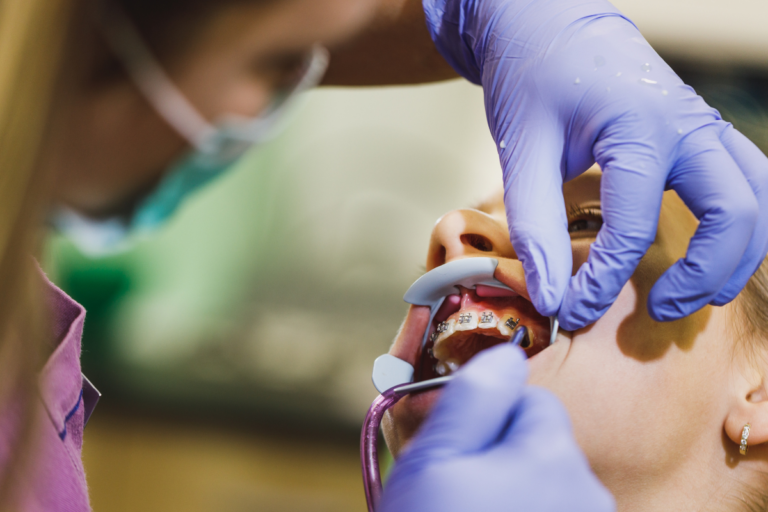
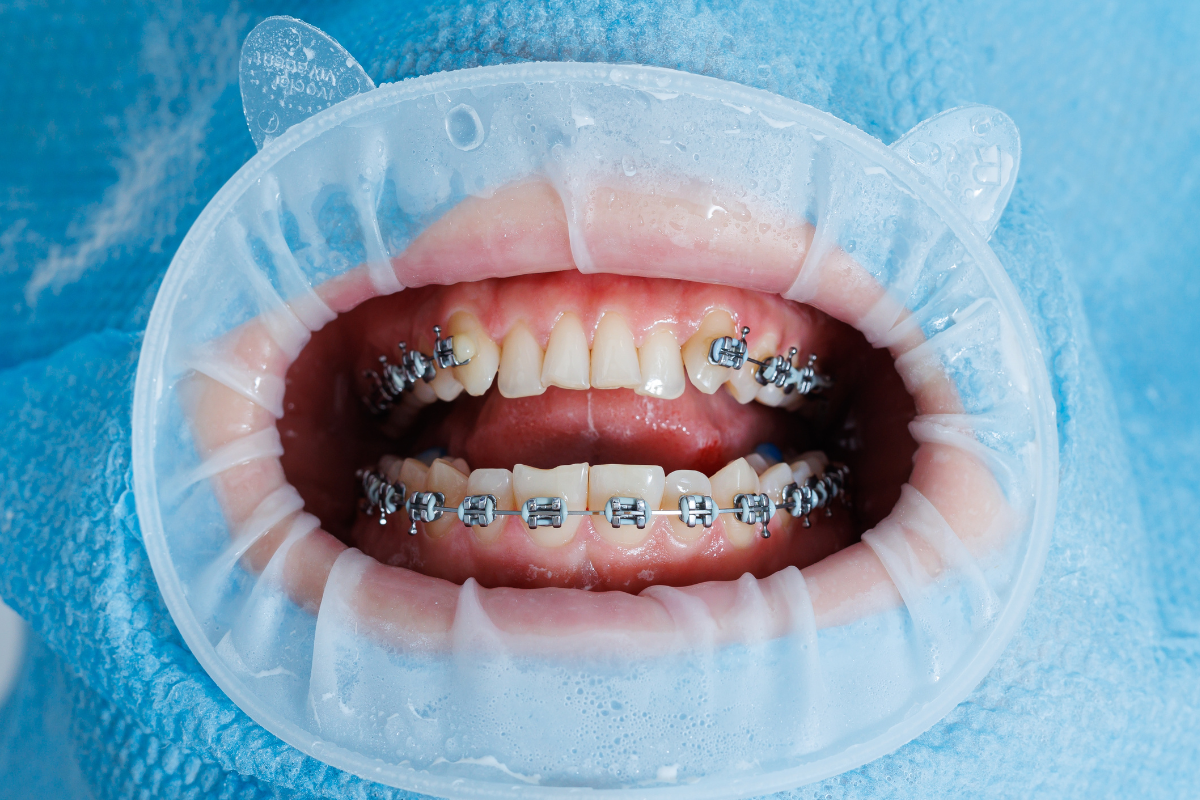
Braces use brackets and wires to apply controlled forces that gradually move teeth into planned positions. They can correct overlapping teeth, rotations, and certain bite problems. The American Association of Orthodontists identifies crowded and misplaced teeth as common orthodontic concerns that may be treated with braces or other appliances.
However, braces do not create unlimited space. If the teeth are significantly crowded, your provider must determine how to make room safely and whether extraction or a combination of treatments would produce the most appropriate result.
The goal is to align the teeth while considering the health of the gums and supporting bone, the relationship between the upper and lower teeth, and your long-term oral health.
Why Do Teeth Become Crowded?
Dental crowding occurs when there is not enough space in the dental arch for the teeth to line up properly. Instead of sitting in an even row, teeth may overlap, rotate, or become displaced.
Several factors can contribute to crowding.
Differences between tooth size and jaw space
Some people naturally have teeth that take up more room relative to the size of their dental arches. When the available space is limited, teeth may overlap as they erupt or shift.
Genetics and dental development
Inherited differences in tooth size, jaw shape, and dental development can influence how teeth fit together. Crowding may become more noticeable as permanent teeth emerge during childhood and adolescence.
Early loss of baby teeth
When a baby tooth is lost earlier than expected, nearby teeth may shift into the space intended for a permanent tooth. In some situations, this can contribute to eruption or alignment problems.
Changes in tooth position over time
Teeth can shift throughout life. A person who previously had relatively straight teeth may notice new crowding during adulthood, including after orthodontic treatment.
Identifying the cause and extent of crowding helps your provider determine which treatment options are appropriate.
How Can Braces Create Space Without Removing Teeth?
If your teeth are crowded, your dentist or orthodontist may consider several approaches to create the space needed for alignment. Not every method is appropriate for every patient, and some treatment plans combine more than one approach.
1. Interproximal reduction (IPR)
Interproximal reduction involves removing a very small, carefully planned amount of enamel from selected areas between teeth. This can create limited space to help relieve crowding.
Your provider may consider IPR when the amount of space needed is relatively small and the teeth are suitable for the procedure.
It is not the same as extracting a tooth. Instead, it makes small adjustments to selected tooth surfaces. The amount and location of enamel reduction must be planned carefully, and IPR is not appropriate for every patient.
2. Dental arch expansion
In selected cases, treatment may widen or develop the dental arch to improve available space. The appropriate method depends on whether the limitation involves tooth position, jaw structure, or both.
For growing patients, certain appliances may help guide dental development. In adults, the options depend on the anatomy and the type of expansion needed.
Expansion has limits. Simply widening an arch is not suitable for every crowding problem, and the provider must consider gum health, supporting bone, bite alignment, and long-term stability.
3. Repositioning and aligning the teeth
Braces can move teeth into better positions within the available space. In some cases, careful changes in tooth position can help manage mild or moderate crowding without extractions.
However, teeth cannot be moved safely in any direction without regard to their supporting tissues or the way the bite functions. Your treatment plan must account for the position of the roots as well as the visible crowns of the teeth.
4. Using orthodontic appliances when appropriate
Depending on your age, jaw development, and type of crowding, an orthodontic provider may recommend additional appliances as part of treatment.
These appliances may help manage space, guide tooth movement, or address specific bite concerns. They are not universal alternatives to extraction; their suitability depends on the diagnosis.
When Might Tooth Extraction Be Recommended for Braces?
Although many patients can be treated without extracting permanent teeth, some cases require more space than other methods can safely provide.
Your orthodontic provider may consider extraction when there is:
- Severe crowding: The teeth need more room than can be created safely through other approaches.
- Significant protrusion: The front teeth extend too far forward, and moving them into a better position requires additional space.
- A complex bite problem: The relationship between the upper and lower teeth affects which movements are appropriate.
- Limited space for stable alignment: A non-extraction plan may place the teeth in positions that are difficult to maintain or that exceed the limits of the supporting tissues.
Extraction is not automatically the best option just because teeth overlap. Equally, avoiding extraction is not always the healthiest choice.
A study published in the American Journal of Orthodontics and Dentofacial Orthopedics found variation among clinicians in how they estimated crowding and recommended extractions. This reinforces the importance of a comprehensive assessment rather than making a decision based on appearance alone.
If extraction is recommended, ask your provider to explain why it may be appropriate in your case, which teeth are being considered, and what alternatives are reasonable.
How Does an Orthodontist Decide Whether You Need Extractions?
A treatment recommendation should be based on your overall dental and orthodontic condition, not just the amount of visible overlap.
During an evaluation, your provider may assess several factors.
The severity of crowding
Your provider evaluates how much space is needed to align the teeth. Mild crowding may be manageable with limited space-creating methods, while more severe crowding can require a different approach.
Your bite
The way your upper and lower teeth meet affects treatment planning. A plan that straightens the front teeth but leaves the bite poorly aligned may not meet your overall treatment needs.
Tooth and root positions
The visible portion of a tooth does not tell the whole story. Your provider must consider root positions and the supporting bone and gum tissues when planning tooth movement.
Facial profile and tooth position
The position of the front teeth can affect lip support and facial balance. Moving teeth too far forward to avoid an extraction may not be appropriate for every patient.
Gum health and supporting bone
Healthy gums and supporting tissues are important considerations during orthodontic treatment. Your provider must account for your periodontal condition and the safe boundaries for tooth movement.
Age and dental development
Children and teenagers may have different options because their jaws and teeth are still developing. Adults can also receive braces, but treatment planning must reflect their individual anatomy and dental health.
Are Braces Without Extractions Always Better?
Not necessarily. It is understandable to want to preserve all your natural teeth, but the best treatment is the one that addresses your orthodontic needs while supporting your long-term oral health.
A non-extraction plan may be appropriate when enough space can be created through controlled tooth movement or other suitable methods. In other cases, trying to avoid extraction at all costs may require compromises in alignment, bite, or tooth position.
Before deciding, ask your provider to compare the proposed options. Useful questions include:
- How severe is my crowding?
- How much space needs to be created?
- Could IPR, expansion, or another approach work in my case?
- What are the limitations of a non-extraction plan?
- How might each option affect my bite and facial profile?
- What factors will influence the stability of the result?
A clear explanation of the alternatives helps you understand the reasoning behind the recommendation and make an informed decision.
How Long Does It Take to Fix Crowded Teeth With Braces?
Treatment time varies according to the complexity of the case, the amount of tooth movement required, your oral health, and how consistently you follow your provider’s instructions.
Mild crowding may require less treatment than severe crowding combined with a bite problem. If your treatment involves additional appliances or more complex movements, the overall timeline may be longer.
Your provider can estimate the expected duration after examining your teeth and developing a treatment plan. That estimate may change as treatment progresses.
Attending scheduled appointments, following instructions, maintaining good oral hygiene, and protecting your braces from damage can help treatment proceed as planned. However, no specific timeline or outcome can be guaranteed before an individual assessment.
What Happens If You Leave Crowded Teeth Untreated?
Crowded teeth do not always cause immediate problems, but they can make some areas harder to clean. Overlapping surfaces may be more difficult to reach with a toothbrush or floss, potentially making plaque control more challenging.
Depending on the individual case, crowding may also be associated with uneven tooth wear, difficulty cleaning between teeth, or bite-related concerns.
That does not mean every crowded smile needs braces. The decision depends on your dental health, the severity of the alignment issue, your bite, and your goals.
If you are concerned about overlapping teeth, a dental evaluation can help you understand whether orthodontic treatment is worth considering and which options may be suitable.
Frequently Asked Questions
1. Can mild crowded teeth be fixed without extractions?
Yes. Mild crowding may be managed with braces and, when appropriate, limited space-creating methods such as interproximal reduction. The right approach depends on your tooth positions, bite, and oral health.
2. Can severe crowding be treated without pulling teeth?
Sometimes, but not every case is suitable for non-extraction treatment. Severe crowding may require more space than can safely be created through other methods. An orthodontic evaluation is needed to compare the available options.
3. Does getting braces mean I will need teeth removed?
No. Many patients receive braces without having permanent teeth extracted. Whether extractions are recommended depends on the amount of crowding, bite alignment, tooth position, and other clinical factors.
4. Can adults get braces for crowded teeth without extractions?
Yes, some adults can have crowded teeth aligned without extractions. Adult treatment planning depends on the severity of crowding, gum and bone health, bite, and the amount of space that can be created safely.
5. Will my teeth become crowded again after braces?
Teeth can shift after orthodontic treatment. Retainers help maintain the corrected positions when worn as directed. Your provider can explain the retention plan appropriate for your case.
Explore Braces Options at Westlakes Family Dental
Crowded teeth do not automatically mean you need tooth extraction before orthodontic treatment. Depending on your situation, braces may be able to align your teeth without removing permanent teeth. The important step is understanding how much space is needed and which approach can support a healthy, functional bite.
At Westlakes Family Dental, we provide braces and orthodontic services in San Antonio, TX. Our team can evaluate your alignment concerns, discuss your treatment goals, and help you understand the options available for your smile.
Visit us to learn more or contact our office at (210) 569-0205 to request an appointment.
Our office is located at 9522 Potranco Road, San Antonio, TX 78251, serving patients in Northwest San Antonio and nearby communities. If you have been putting off braces because you are worried about extractions, an evaluation is a useful first step toward understanding what your treatment may involve.