Why Does My Dental Implant Crown Feel Loose?
A dental implant is designed to replace a missing tooth and help restore your ability to chew and smile comfortably. So, if the crown attached to your implant suddenly feels loose, shifts when you bite, or makes a clicking sensation, it is understandable to feel concerned.
The good news is that a loose implant crown does not automatically mean the entire dental implant has failed. The movement may involve the crown or one of the small components connecting it to the implant. However, the cause cannot be confirmed without a dental examination, and ignoring the problem could lead to further damage.
If you have dental implants in San Antonio, TX, knowing what a loose crown may indicate can help you take the right next step. At Westlakes Family Dental, we provide dental implant services and restorative care to help patients maintain comfortable, functional smiles. Understanding the warning signs can help you recognize when it is time to contact your dentist.
What Does It Mean When a Dental Implant Crown Feels Loose?
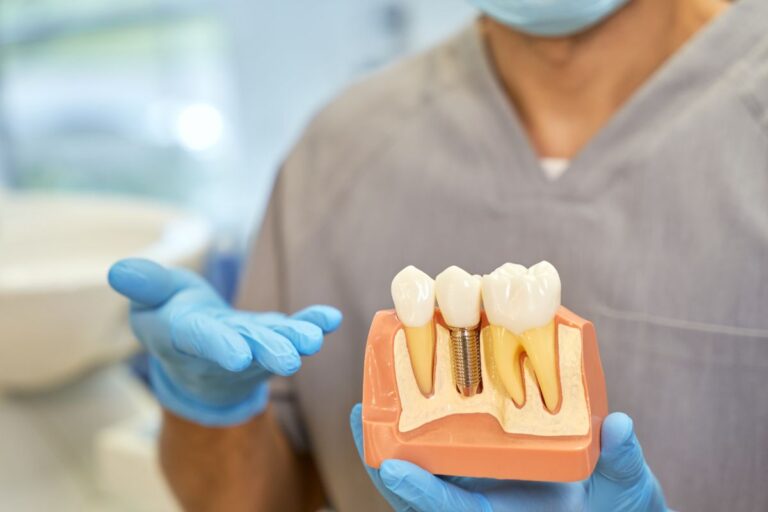
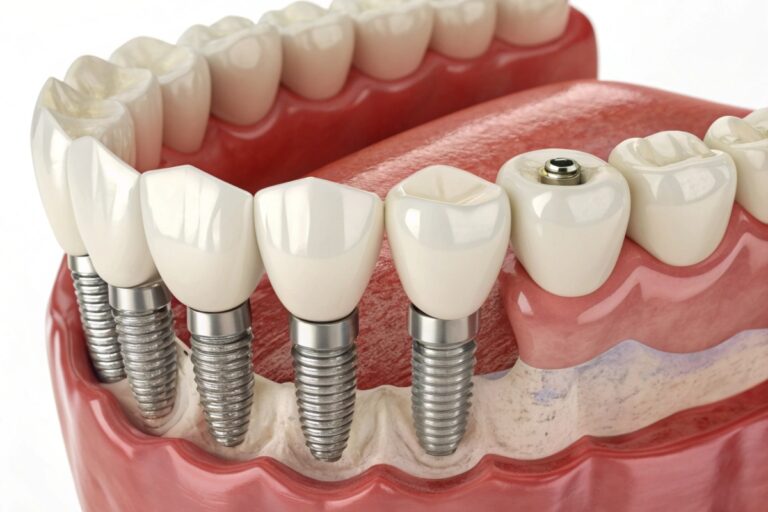
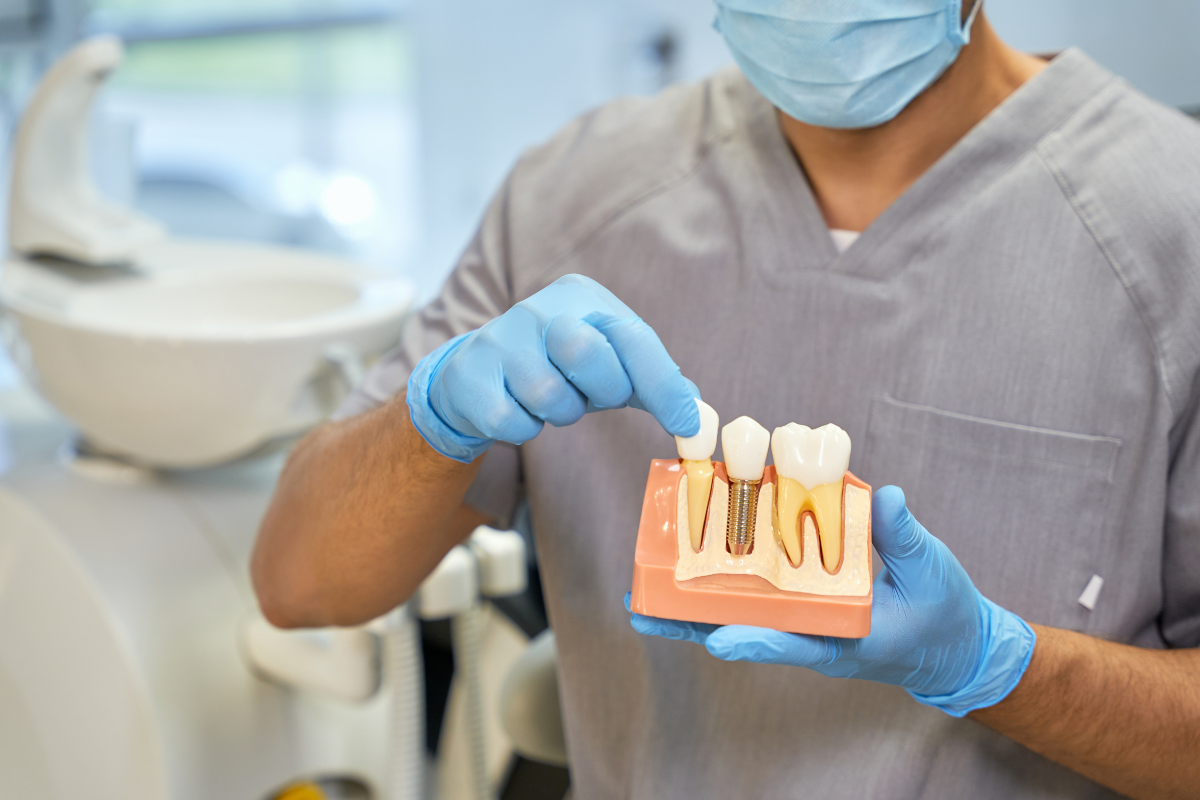
A dental implant restoration has several components that work together to replace a missing tooth. Understanding how they fit together helps explain why one part might move while the others remain stable.
The three parts of a dental implant
A typical single-tooth implant restoration includes:
- The implant: A small post placed in the jawbone that serves as the artificial tooth root.
- The abutment: A connecting component that attaches the crown to the implant.
- The crown: The visible replacement tooth designed to restore the shape and function of the missing tooth.
When you notice movement, the problem may involve the crown, the abutment connection, or the implant itself.
For example, the crown may have loosened because its retaining screw needs attention. Alternatively, the connection between components may be damaged, or the implant may have lost stability in the surrounding bone.
These problems require different approaches, which is why a dentist needs to identify the source before recommending treatment.
Common Reasons Your Dental Implant Crown May Feel Loose
Several issues can cause an implant crown to move or feel different when you chew. Some involve the restoration itself, while others may affect the implant or the surrounding tissues.
1. The implant crown screw has loosened
Some implant crowns are secured with a small screw. Repeated chewing forces can sometimes cause this screw to loosen, allowing the crown to move slightly.
You might notice:
- A clicking sensation while chewing.
- Movement when your teeth come together.
- A crown that feels different from the surrounding teeth.
- Discomfort when biting down.
A loose crown screw does not necessarily mean the implant has failed. Your dentist can examine the restoration and determine whether the screw or another component needs attention.
Do not attempt to tighten the screw yourself. Implant components require appropriate instruments and careful assessment to avoid damaging the restoration.
2. The crown or abutment connection is damaged
The crown itself or the abutment connecting it to the implant can become damaged. In some cases, a crown may develop a crack, wear, or a problem with the connection that affects its stability.
If the crown is damaged, the dentist may recommend repairing or replacing the restoration. If the abutment or connecting component is affected, additional treatment may be needed.
The appropriate solution depends on the condition of the individual components and whether the implant remains stable.
3. You grind or clench your teeth
Teeth grinding, also called bruxism, places repeated pressure on teeth and dental restorations. Over time, excessive forces may contribute to wear, chipping, screw loosening, or other mechanical problems.
You may grind or clench your teeth without realizing it, particularly during sleep. Jaw soreness in the morning, headaches, or worn tooth surfaces can be clues worth discussing with your dentist.
If grinding is contributing to the problem, your dental provider may assess your bite and discuss ways to protect your restorations. A night guard may be appropriate for some patients, depending on their individual needs.
4. Your bite places too much pressure on the crown
An implant crown needs to work comfortably with the surrounding teeth. If the way your teeth meet places excessive force on the restoration, the additional pressure may contribute to mechanical complications.
This can happen after changes to a restoration or when the bite needs further assessment.
Your dentist can evaluate how the crown contacts the opposing teeth and determine whether an adjustment or another treatment is appropriate. Avoid repeatedly biting down to test the movement, as this may worsen the problem.
5. The implant itself has lost stability
A less common but more serious possibility is that the implant itself has become unstable. This differs from a loose crown or screw because the implant is the component anchored in the jawbone.
Possible contributing factors include problems with bone support, inflammation or infection around the implant, or other complications affecting healing and stability.
Signs that deserve prompt assessment include movement that seems to involve the entire implant, persistent pain, swelling, bleeding, or changes in the surrounding gums.
You cannot reliably distinguish implant movement from a loose restoration at home. A dental examination, and sometimes imaging, is needed to assess the implant and surrounding bone.
Is a Loose Dental Implant Crown a Dental Emergency?
A loose implant crown should be evaluated promptly, even if it is not painful. The urgency depends on how much movement there is, whether the restoration is damaged, and whether you have other symptoms.
Contact your dentist promptly if:
- The crown moves when you speak or chew.
- You notice a clicking or shifting sensation.
- The crown feels unstable or appears partially detached.
- You see a crack or broken portion of the restoration.
- The surrounding gums are swollen, bleeding, or tender.
- You develop new or worsening pain.
If the crown has come off completely, keep it in a clean container and contact your dental office for instructions. Do not try to force it back into place.
Seek urgent dental evaluation for significant pain, increasing swelling, or signs of infection. Facial swelling accompanied by fever or spreading swelling requires prompt attention. Difficulty breathing or swallowing is a medical emergency.
Even if the crown feels only slightly loose, do not wait for the next routine cleaning to mention it. Early assessment can help determine whether the issue is limited to the restoration or involves a more significant problem.
What Should You Do If Your Implant Crown Feels Loose?
Taking sensible precautions before your appointment can help prevent additional damage.
Avoid chewing on the affected side
Choose softer foods and avoid hard, crunchy, or sticky items that could place additional pressure on the restoration. Do not bite down repeatedly to see whether the crown still moves.
Do not pull, twist, or tighten the crown
Trying to manipulate the crown may damage the restoration or connecting components. Leave the assessment and any necessary adjustment to your dentist.
Keep the area clean
Continue brushing carefully and cleaning around your implant as directed by your dental provider. Avoid aggressive brushing or forcing dental floss around a crown that is moving.
If the restoration is partially detached, ask your dentist how to keep the area clean until you are seen.
Arrange an evaluation
When you call, explain when you first noticed the movement, whether it occurs during chewing, and whether you have pain, swelling, or bleeding. Mention any recent dental treatment or injury that may be relevant.
These details can help the dental team understand your concern and advise you about the appropriate timing for an appointment.
How Does a Dentist Fix a Loose Dental Implant Crown?
Treatment depends on which component is affected. Your dentist will examine the restoration, assess the surrounding gums, and determine whether the implant itself appears stable.
If the crown screw is loose
If the implant and restoration are otherwise in suitable condition, the dentist may be able to address the loose screw and secure the crown appropriately. The dentist will also assess why the connection loosened and whether any other component is damaged.
Simply tightening a screw without evaluating the surrounding parts may not address the underlying problem.
If the crown is cracked or damaged
A damaged crown may need repair or replacement. The decision depends on the extent of the damage, the crown material, and whether the restoration can function reliably after treatment.
If the implant remains stable, it may be possible to address the crown without removing the implant itself.
If the abutment is damaged
The connecting component may need repair or replacement, depending on its condition and the implant system involved. Your dentist will determine whether the crown can be reused or whether a new restoration is needed.
If the implant itself is unstable
If the implant has lost stability or there are signs of inflammation or bone loss, the dentist may recommend further evaluation and imaging. Treatment depends on the cause and severity of the problem.
In some cases, additional care or referral to a specialist may be appropriate. Implant removal is not automatically necessary whenever a crown feels loose; the source of the movement must first be established.
Can You Prevent Your Dental Implant Crown From Becoming Loose?
Although no restoration is completely immune to mechanical problems, good maintenance and regular professional care can help protect your implant.
Maintain your daily oral hygiene routine
Brush twice a day with fluoride toothpaste and clean between your teeth daily. Follow your dentist’s recommendations for cleaning around the implant and any specialized tools that may help you maintain the area.
Plaque can accumulate around implants, so keeping the surrounding gums healthy is important.
Attend routine dental checkups
Regular dental visits allow your provider to assess the condition of the crown, examine the surrounding gums, and identify changes that may require attention.
Tell your dentist if the crown feels different, even if the change seems minor.
Address grinding and clenching
If you grind or clench your teeth, discuss it with your dental provider. Depending on your situation, a protective appliance or other recommendations may help manage excessive forces on your teeth and restorations.
Avoid using your teeth as tools
Do not use your teeth to open packages, crack hard objects, or chew ice. These habits can place unnecessary stress on dental restorations and natural teeth alike.
Dental Implant Care at Westlakes Family Dental in San Antonio
A loose implant crown can be worrying, but the problem does not always mean the entire implant has failed. The key is to determine which component is moving and address the cause before further damage occurs.
At Westlakes Family Dental, we provide dental implant and restorative services for patients in San Antonio and nearby communities, including Westover Hills, Alamo Ranch, and the surrounding northwest San Antonio area. Our team can evaluate your concern and discuss the next steps based on your dental needs.
Whether you have noticed a clicking sensation, a crown that shifts while chewing, or a restoration that has come loose, professional assessment can help clarify your options.
Frequently Asked Questions
1. Can a loose implant crown be fixed without replacing the implant?
Yes, in some cases. If the implant remains stable and the issue involves the crown or its connecting screw, the dentist may be able to repair or secure the restoration without replacing the implant. The appropriate treatment depends on the examination findings.
2. Can I eat with a loose dental implant crown?
It is best to avoid chewing on the affected side until your dentist has evaluated the crown. Choose softer foods and avoid anything hard or sticky that could increase movement or damage the restoration.
3. Does a loose implant crown mean my dental implant is failing?
Not necessarily. The crown, abutment, or retaining screw may be loose even when the implant remains stable. A dental examination is needed to determine whether the problem involves the restoration or the implant itself.
4. Will a loose dental implant crown cause pain?
It may or may not hurt. Some loose restorations cause clicking or movement without significant discomfort, while others may cause pain or gum irritation. A lack of pain does not mean the issue should be ignored.
5. How quickly should I see a dentist for a loose implant crown?
Contact your dentist promptly for guidance and an appointment. Seek more urgent assessment if the crown is significantly unstable, has broken, or is accompanied by pain, swelling, bleeding, or other concerning symptoms.
Schedule a Dental Implant Evaluation in San Antonio, TX
If your dental implant crown feels loose, do not try to tighten it or wait for the problem to resolve on its own. The cause may be relatively straightforward to address, but it is important to confirm that the implant and surrounding tissues remain healthy.
Westlakes Family Dental provides dental implant and restorative care at our office on Potranco Road in San Antonio. Contact our team at (210) 569-0205 to discuss your symptoms and schedule an evaluation. We can help you understand the next steps for protecting your restoration and maintaining your oral health.