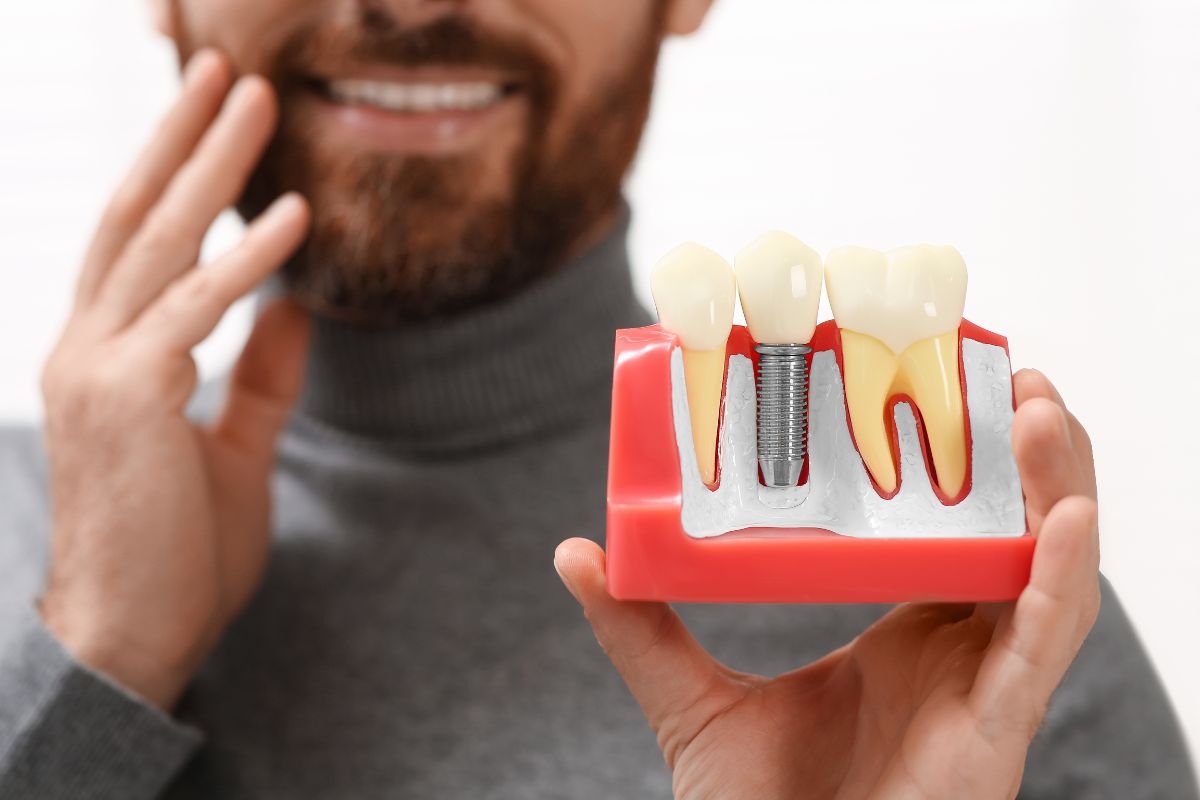
Is a Metallic Taste Normal After Dental Implants? Causes & Solutions
Dental implants are one of the most reliable and long-lasting solutions for replacing missing teeth. They are designed to restore chewing ability, improve appearance, and support overall oral health. While most patients adjust comfortably after treatment, some may notice an unusual sensation in the mouth, particularly a metallic or bitter taste.
If you’ve recently undergone implant surgery and experienced this, it’s natural to feel concerned. However, in most cases, this change in taste is temporary and not directly caused by the implant itself. Let’s explore why it happens, what it means, and when you should consider speaking to a dental professional.
What Is a Metallic Taste in the Mouth?
A metallic taste, medically referred to as dysgeusia, is a condition in which a person perceives a persistent taste of metal, copper, or iron even when not eating or drinking anything. This sensation can be mild or noticeable and may come and go throughout the day.
Although it can feel unusual, it is often linked to temporary oral changes, healing responses, medications, or systemic factors rather than a serious dental complication.
Are Dental Implants Responsible for the Metallic Taste?
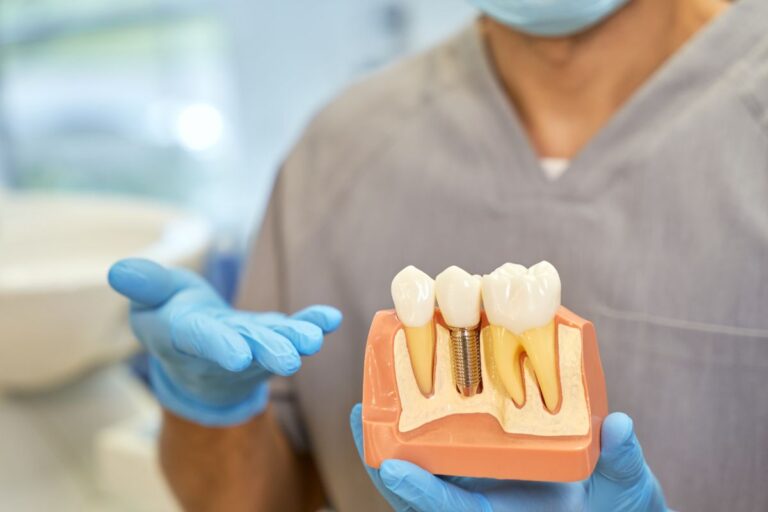
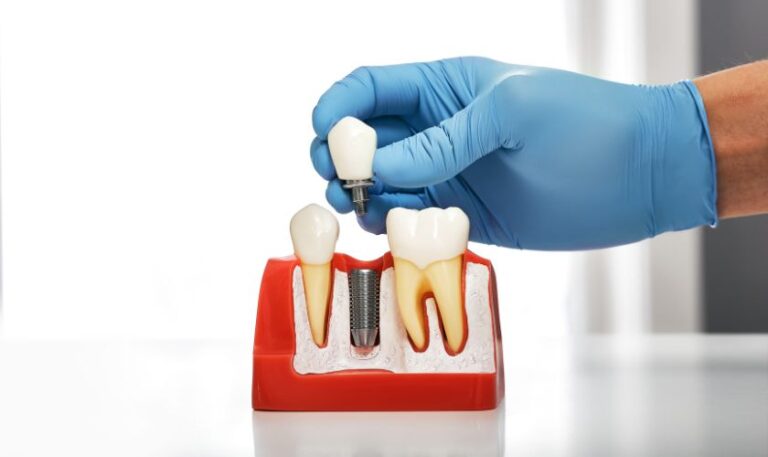
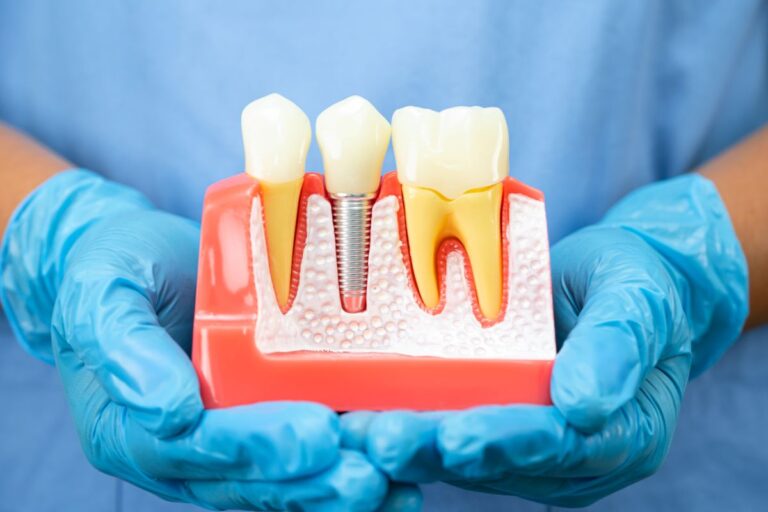
Dental implants are commonly made from titanium or titanium-based alloys. Titanium is widely used in medical and dental procedures because it is highly biocompatible, meaning it integrates safely with the human body.
In fact, titanium rarely triggers allergic reactions or taste disturbances. For most patients, implants feel completely natural after healing. Therefore, if a metallic taste appears, it is usually due to indirect factors rather than the implant material itself.
Common Reasons for Metallic Taste After Dental Implants
Although the implant itself is not typically responsible, several factors associated with treatment and recovery can contribute to taste changes.
1. Natural Healing Process
After implant placement, your gums and surrounding tissues begin to heal. During this period, mild inflammation or minor bleeding can temporarily alter taste perception. As healing progresses, this sensation usually disappears on its own.
2. Changes in Oral Hygiene Routine
After surgery, patients may modify their brushing and flossing habits to avoid discomfort around the implant site. This can sometimes lead to plaque accumulation, allowing bacteria to produce compounds that affect taste. Maintaining gentle but consistent oral hygiene is essential during recovery to prevent unwanted taste changes and promote healing.
3. Medications and Supplements
Post-surgical prescriptions such as antibiotics, pain relievers, or anti-inflammatory medications may alter taste perception. In addition, supplements such as iron or zinc can produce a metallic or bitter sensation in the mouth. In many cases, the taste disturbance resolves once the medication course is completed.
4. Dry Mouth (Xerostomia)
Saliva plays a vital role in cleansing the mouth and balancing taste. Reduced saliva production can intensify unusual tastes, including metallic sensations. Dry mouth may occur due to medications, dehydration, stress, or changes in routine during recovery.
5. Presence of Other Dental Materials
In rare cases, patients with existing metal restorations such as crowns or fillings may experience mild interactions between different metals in the mouth. This can occasionally cause a temporary metallic taste, though it is uncommon and usually manageable.
6. Rare Sensitivity Reactions
Titanium is extremely safe and well-tolerated, but in very rare cases, individuals may experience sensitivity. If a metallic taste persists along with symptoms like swelling, irritation, or discomfort, a dental evaluation is important to rule out other causes.
How Long Does the Metallic Taste Last?
For most patients, a metallic taste after dental implant surgery is temporary. It typically fades within a few days to a couple of weeks as the mouth heals and medications are discontinued.
If the sensation persists beyond the expected healing period, it may be linked to other factors, such as oral hygiene, medication side effects, or unrelated health conditions, rather than the implant itself.
When Should You Be Concerned?
While taste changes are usually harmless, it is important to monitor your symptoms. You should contact your dentist if you notice:
- A metallic taste lasting longer than a few weeks
- Persistent swelling or pain around the implant site
- Difficulty chewing or changes in implant comfort
- Signs of infection, such as redness or irritation
Early evaluation ensures proper healing and helps prevent complications.
How to Minimize Metallic Taste After Implants
Although not always preventable, you can reduce the chances of experiencing taste disturbances by following a few simple habits:
- Maintain consistent and gentle oral hygiene
- Stay hydrated throughout the day
- Follow all post-surgical instructions carefully
- Avoid skipping prescribed medications unless advised
- Attend regular dental checkups
These steps support healthy healing and help maintain a clean oral environment.
Professional Implant Care in San Antonio
A metallic taste after dental implant surgery can feel concerning, but in most cases, it is temporary and not an indication of implant failure. This sensation is commonly related to normal healing, temporary medication effects, or minor changes in the oral environment, and it typically resolves as recovery progresses.
At Westlakes Family Dental, patients receive comprehensive dental implant care focused on comfort, precision, and long-term results. The experienced dental team is dedicated to ensuring that every stage of treatment, from placement to recovery, is clearly explained and carefully managed.
If you notice any unusual taste changes or have concerns following implant treatment, a professional evaluation can help identify the cause and provide peace of mind. Visit our San Antonio dental office to ensure your dental implants remain a reliable and effective solution for restoring your teeth and oral health.
FAQs About Metallic Taste After Dental Implants
1. Can dental implants cause a metallic taste in the mouth?
Experiencing a metallic taste after dental implant placement is uncommon. When it does occur, it is typically temporary and often related to the healing process, medications, or mild inflammation rather than the implant itself.
2. How long does a metallic taste last after dental implants?
In most cases, any unusual taste resolves within a few days to a couple of weeks as the gums and surrounding tissues heal. If the sensation persists, a dental evaluation is recommended.
3. What causes a metallic taste with dental implants?
Possible causes include minor post-surgical bleeding, temporary inflammation, certain medications, or changes in oral hygiene habits. In rare instances, interactions with other metal restorations in the mouth may contribute.
4. Should I be concerned about a metallic taste?
A short-term metallic taste is generally not a cause for concern. However, if it continues or is accompanied by symptoms such as pain, swelling, or discomfort, it is important to seek professional advice.
5. How can I reduce the risk of a metallic taste after implants?
Following proper oral hygiene practices, adhering to post-treatment care instructions, staying well hydrated, and attending regular dental checkups can help minimize the risk of unusual tastes.
6. When should I contact my dentist?
You should reach out to your dentist if the metallic taste persists beyond a few weeks or if it is associated with gum irritation, implant mobility, or ongoing discomfort to ensure proper healing and implant stability.