Do You Need a Bone Graft Before Getting Dental Implants?
You’ve decided to replace a missing tooth with an implant, and then you hear the words “bone graft.” Suddenly the process sounds longer, more involved, and more expensive.
Here’s the straightforward answer: some patients need a bone graft before an implant, and many don’t. It depends on how much healthy bone you have where the implant will go. This guide explains why bone matters, how dentists decide, what a graft involves, and what to ask so you can move forward with confidence.
Why Does an Implant Need Bone?
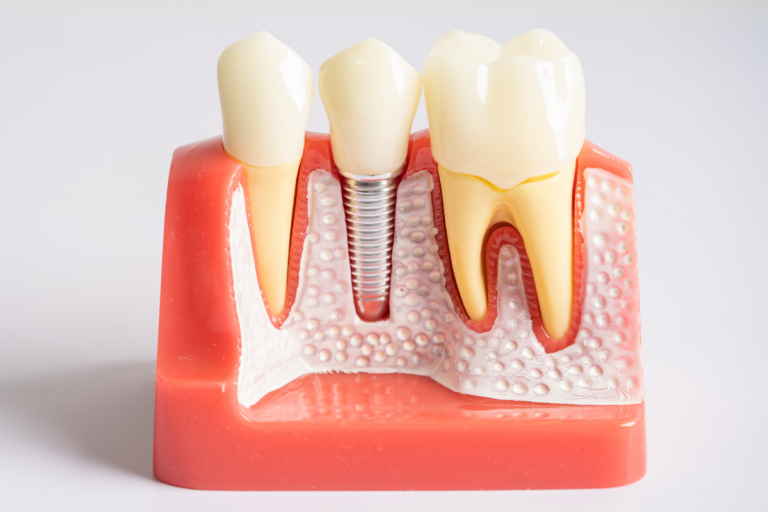
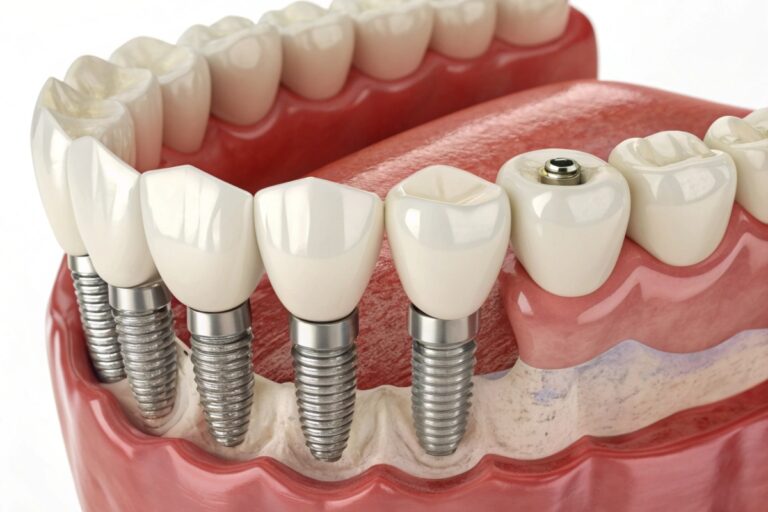
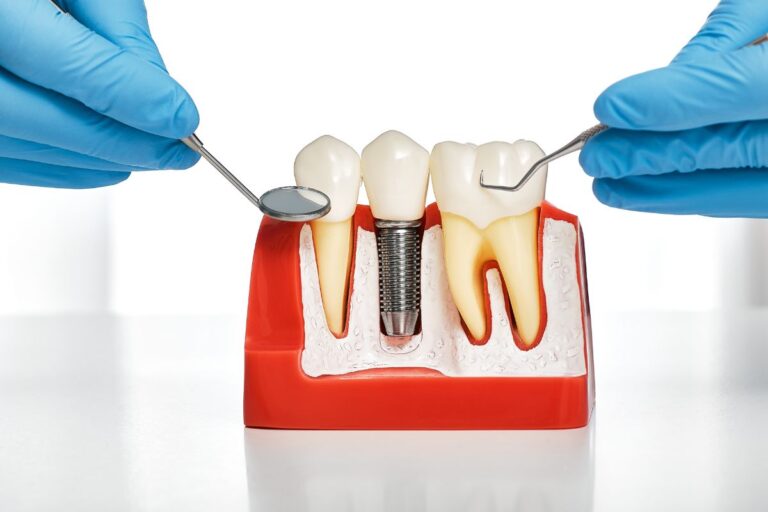
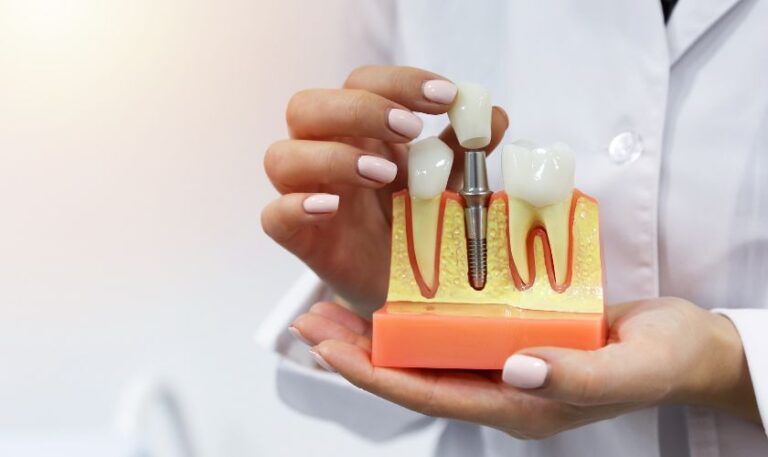
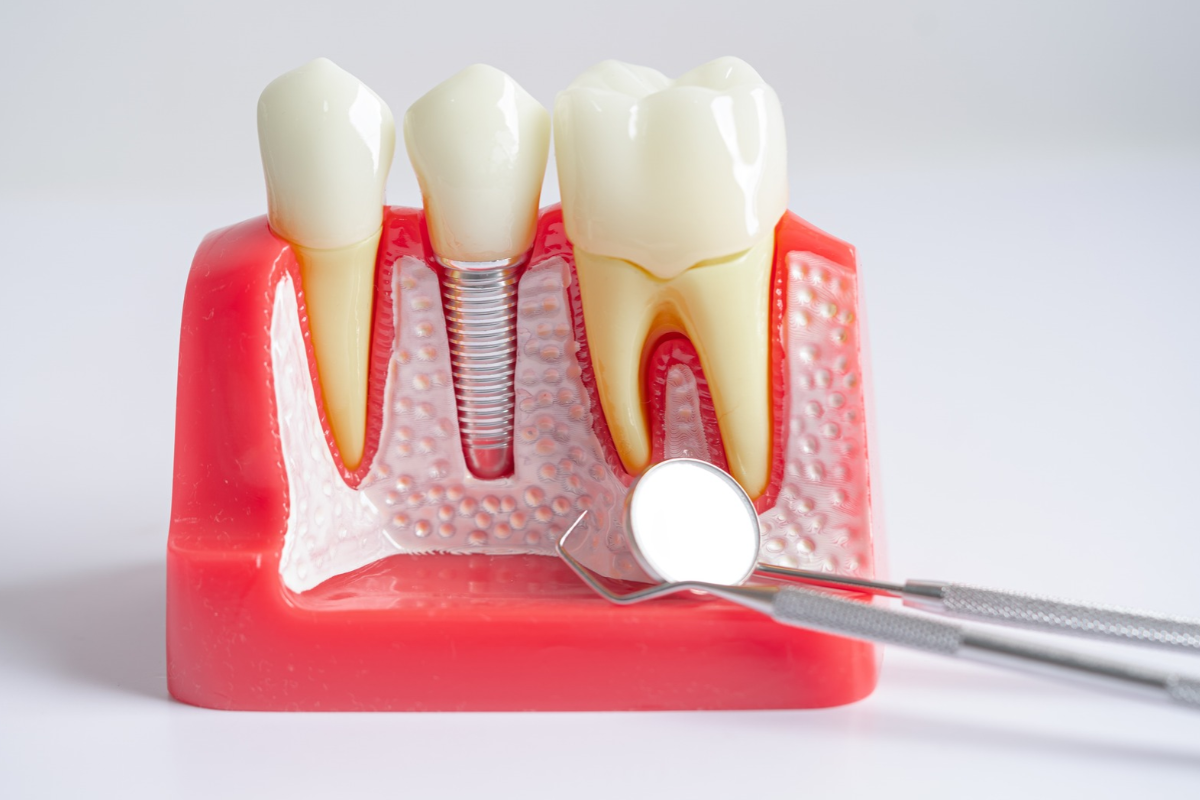
A dental implant is a small post, usually made of titanium, that’s placed in the jawbone to act as an artificial tooth root. For it to stay stable, it has to fuse with the surrounding bone through a process called osseointegration.
That means there needs to be enough bone, in the right amount and quality, to hold the implant securely. If the bone is too thin, too short, or too soft, the implant may not have the support it needs to last.
Think of it like a fence post. It holds best when it’s set in firm, solid ground.
What Is a Dental Bone Graft?
A bone graft adds or rebuilds bone in the jaw so it can support an implant. Over time, the graft material acts as a scaffold. Your body gradually replaces it with its own new bone, in a process that takes months.
Grafting is a routine part of implant dentistry, and it’s not a sign that something went wrong. It’s simply a way to create a better foundation.
Why Do People Lose Jawbone?
Bone needs stimulation to stay strong. When a tooth is lost, the bone that surrounded its root no longer gets that stimulation and can gradually shrink. Common causes include:
- Tooth extraction. Bone around the socket can shrink noticeably in the months after a tooth is removed.
- Long-term missing teeth. The longer a space goes untreated, the more bone can be lost.
- Gum disease. Advanced periodontal disease destroys the bone that supports the teeth.
- Dentures. Traditional dentures rest on the gums and don’t stimulate the bone, so the jaw can change over the years.
- Infection or abscess. These can damage bone around a tooth.
- Injury or trauma.
- Developmental factors. Some people simply have less bone to start with.
Signs You Might Need a Bone Graft
You can’t tell by looking in the mirror, but some clues may suggest it’s worth asking:
- The tooth was missing for a long time
- You’ve worn dentures or a partial for many years
- You’ve had advanced gum disease
- The tooth was lost to infection or trauma
- Your face or jaw looks sunken in the area
- A previous implant was unsuccessful
None of these means you definitely need a graft. Only an exam and imaging can tell.
How Do Dentists Decide If a Graft Is Needed?
A thorough evaluation usually includes:
- A review of your medical and dental history, including medications and conditions that affect healing
- A clinical exam of your teeth, gums, and bite
- X-rays and often a 3D cone beam CT (CBCT) scan, which shows the height, width, and density of your bone and the location of nerves and sinuses.
- A discussion of your goals, such as a single tooth, multiple teeth, or a full arch
From these, your dentist can estimate whether there’s enough bone to place an implant now, whether a graft would help, or whether another approach makes more sense.
Types of Bone Grafting Procedures
Not all grafts are the same. Your dentist will recommend one based on where the bone is lacking.
Socket Preservation (Ridge Preservation)
Done at the time of an extraction, this places graft material in the empty socket to help maintain bone for a future implant. It’s often easier than rebuilding bone later.
Ridge Augmentation
If the jaw ridge has become too narrow or short, a graft can rebuild its width or height.
Sinus Lift (Sinus Augmentation)
In the upper back jaw, the sinus can sit close to where an implant would go. A sinus lift adds bone beneath the sinus floor to make room.
Block or Larger Grafts
For more significant bone loss, larger grafts may be used. These are more involved and sometimes require a referral to a specialist.
What Is the Graft Material Made Of?
Patients are often curious (and a little nervous) about this. Common sources include:
- Autograft: bone taken from your own body
- Allograft: processed donor bone from a tissue bank
- Xenograft: processed bone from an animal source, often bovine
- Synthetic materials: laboratory-made substitutes
Each has benefits and tradeoffs. Your dentist can explain which they recommend and why, and you’re welcome to ask about alternatives if you have personal, religious, or health concerns.
Can You Get an Implant Without a Bone Graft?
Sometimes, yes. Depending on your anatomy, options may include:
- Placing the implant right away if enough bone is present
- Shorter or narrower implants in certain cases
- Angled implants or alternative designs for specific situations
- Different tooth replacement options, such as bridges or partial dentures, if implants aren’t a good fit
Whether any of these are appropriate depends on your bone, your bite, and your goals. No single method is right for everyone, and it’s worth getting a clear explanation of the tradeoffs.
What Does the Process Look Like?
Every case differs, but a typical sequence for a patient who needs a graft goes like this:
- Consultation and imaging
- Graft procedure, usually under local anesthesia, with other comfort options available in some cases
- Healing period, often a few months, while the graft integrates
- Implant placement
- Second healing period, while the implant fuses with the bone
- Final crown, bridge, or denture
In some cases, the graft and implant can be placed during the same visit. Total timelines vary widely from patient to patient.
What Does Recovery Feel Like?
Most people describe soreness, mild swelling, and tenderness for several days after a graft. Your dentist will give you specific instructions, which commonly include:
- Eating soft foods and avoiding the surgical area when chewing
- Using cold compresses in short intervals
- Taking medications exactly as directed
- Avoiding straws, forceful rinsing, and spitting early on
- Keeping the area clean as instructed
- Not smoking or vaping, which can interfere with healing
Call your dental team if you have heavy bleeding, worsening pain after the first few days, fever, or increasing swelling. If you have trouble breathing or swallowing, go to the ER.
Factors That Affect Healing and Success
Implant and graft outcomes vary. Factors that may influence healing include:
- Smoking and nicotine use
- Uncontrolled diabetes
- Gum disease that hasn’t been treated
- Certain medications and medical conditions, including some bone-related treatments
- Oral hygiene habits
- Teeth grinding
Tell your dental team about your full medical history. It helps us plan safely and set realistic expectations, and no one can guarantee a specific result.
Questions to Ask Before Moving Forward
Bring this list to your consultation:
- Do I need a graft, and why?
- What type of graft do you recommend, and what is it made of?
- Will the graft be done at the same time as the implant, or separately?
- How long will the whole process take?
- What are the risks and alternatives?
- Who will perform each part of the treatment?
- What will the costs be, and how does insurance apply?
- What do I need to do to help my healing?
Finding Dental Implants in San Antonio, Texas
Implants are a long-term investment, so it makes sense to choose a team that explains each step and takes the time to answer your questions. San Antonio patients have plenty of options, and the right one is the practice where you feel informed and comfortable.
At Westlakes Family Dental, we provide dental care for patients in San Antonio, Texas. If you’re exploring dental implants in San Antonio and want to know whether you’d need a bone graft, our team can review your history, examine your teeth and gums, and talk through your options in plain language. Our services are designed to help you understand what’s ahead before you commit to anything.
When you visit, you can expect:
- A thorough exam and the imaging needed to evaluate your bone
- A clear explanation of whether a graft is likely
- A discussion of options, timelines, and costs
- No pressure, just straightforward guidance
Frequently Asked Questions
Do all dental implants require a bone graft?
No. Many patients have enough bone for implants without grafting. An exam and imaging will show whether you do.
Is a bone graft painful?
The area is numbed during the procedure. Afterward, soreness and swelling are common for several days and are typically manageable with the pain relief your dentist recommends.
How long does a bone graft take to heal before an implant?
It varies, but healing often takes a few months. Your dentist will monitor the area and let you know when it’s ready.
Can I get a graft and implant at the same time?
Sometimes. It depends on how much bone is present and the stability of the implant. In other cases, it’s safer to graft first and place the implant after healing.
Is bone grafting safe?
Grafting is a well-established procedure, but like any surgery it carries risks, including infection, graft failure, and complications related to nearby structures. Your dentist can explain the risks specific to your case.
Take the First Step With a Consultation
Needing a bone graft doesn’t mean implants are out of reach. It means your foundation may need some support first. The sooner your bone is evaluated, the more options you typically have, especially since bone loss tends to continue after a tooth is lost.
If you’re considering implants, or you’ve been told you might need a graft, contact Westlakes Family Dental in San Antonio, Texas, today to schedule a consultation. Our team is here to provide clear answers and caring, patient-focused treatment.