Dentures or Dental Implants: How to Choose the Right Option
Losing a tooth can change more than just your smile. It can affect how you eat, speak, and even how confident you feel in everyday moments. The good news is that modern dentistry offers reliable ways to restore your smile. Two of the most common options are dentures and dental implants.
If you live in a city like San Antonio, where good food and social gatherings are a big part of life, choosing the right solution matters even more. Whether you are enjoying tacos on the River Walk or meeting friends for a weekend barbecue, you want teeth that feel comfortable and dependable.
So how do you decide between dentures and dental implants? Let’s walk through the key differences in a simple and practical way.
Understanding Your Tooth Replacement Options
Before you decide, it helps to understand how each option works.
What Are Dentures?
Dentures are removable appliances that replace missing teeth. They sit on your gums and can be taken out for cleaning. Some dentures replace a few teeth, while others restore a full arch.
Many people choose dentures because they do not require surgery and can be completed in a shorter time frame.
What Are Dental Implants?
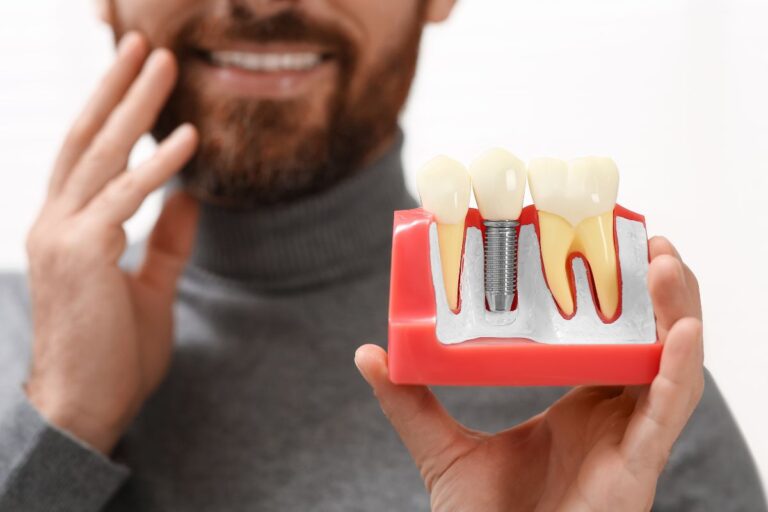
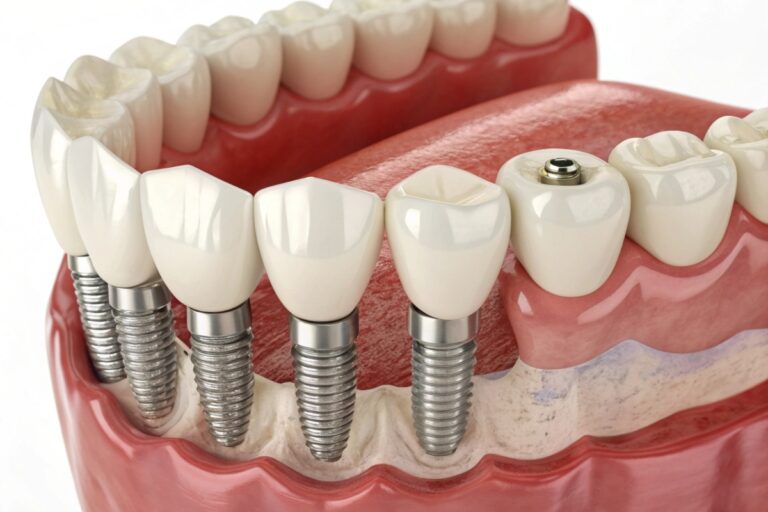
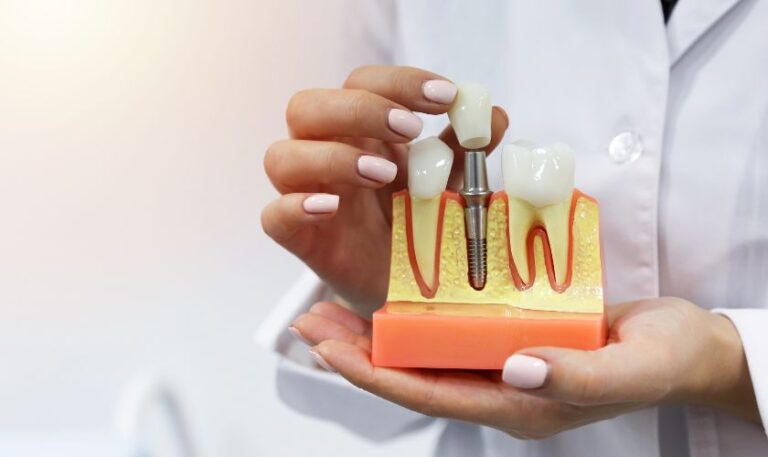
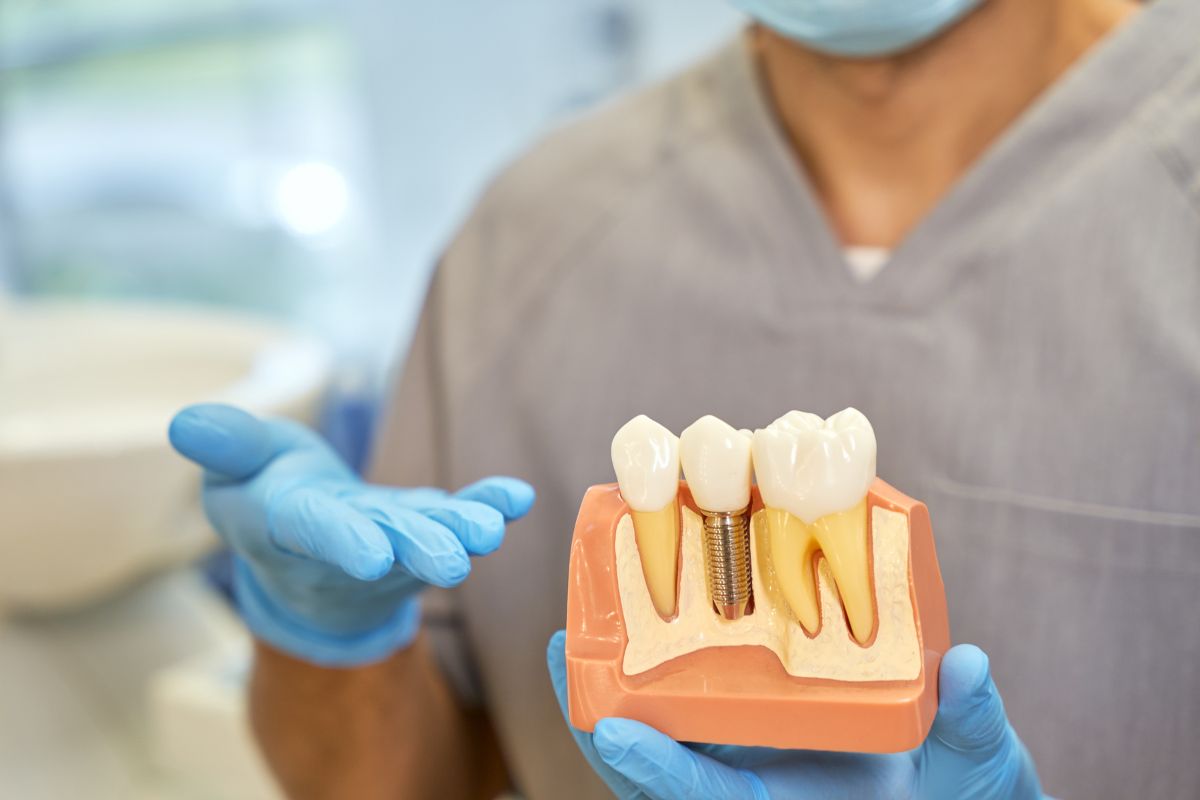
Dental implants are fixed into your jawbone. A small post acts like a natural tooth root, and a crown is placed on top to restore the visible part of your tooth.
Because they are anchored in place, implants offer a more secure and natural feel.
Comfort and Everyday Feel
When it comes to feeling and functioning like natural teeth, dental implants come closest to the real thing. Because implants anchor directly into the jawbone, they stay firmly in place. You can bite, chew, and speak without worrying about slipping or shifting. Many patients say implants feel so natural that they forget they even have them.
Dentures, while designed for comfort and appearance, rest on the gums and may move slightly during eating or talking. They can take time to adjust to, especially at first. Although modern dentures look natural, they do not fully replicate the strength and stability of real teeth. If stability and natural function matter most, implants usually provide a better experience.
Eating, Speaking, and Living Your Life
Your choice will impact how you enjoy everyday activities. Dentures can handle many foods, but some adjustments may be needed. Sticky or hard foods can be challenging at times. You may find yourself choosing softer options more often.
Dental Implants provide stronger biting power. You can enjoy a wider variety of foods, from crisp vegetables to grilled meats. This is especially helpful in a food-loving city like San Antonio, where bold flavors are everywhere.
Longevity and Maintenance
When comparing dentures and dental implants, longevity and maintenance are major factors in your decision.
Dentures typically last between 5 and 10 years. Their lifespan depends on daily care, normal wear, and natural changes in your mouth. Over time, your gums and jawbone shift, which can affect how dentures fit. Many patients need relines or adjustments to keep them comfortable. You must also clean dentures daily and store them properly to prevent damage or warping.
Dental implants offer much longer durability. The implant post can last 20 years or more, and often a lifetime with proper oral hygiene. The crown or bridge attached to the implant may need to be replaced after 10 to 15 years due to normal wear, similar to a traditional dental crown.
Many patients view implants as a long-term investment. While they require a higher upfront cost, they often involve fewer repairs and replacements over time.
Maintenance also differs. You brush and floss implants just like natural teeth. Dentures require removal, soaking, and special cleaning routines. Habits like smoking, teeth grinding, and poor oral hygiene can shorten the lifespan of both options, but they especially affect implant success.
Jawbone Health and Facial Structure
Your oral health goes deeper than what you see in the mirror.
Dentures and Bone Changes
Dentures do not stimulate the jawbone. Over time, the bone may shrink, which can affect how your face looks and how your dentures fit.
Implants and Bone Support
Dental implants help maintain your jawbone. Because they act like natural roots, they keep the bone active and support your facial structure.
This can help you maintain a more youthful appearance over time.
Who Is a Good Candidate?
Not everyone has the same needs, so your dentist will look at your individual situation.
Dentures May Be Right If You
Want a non surgical option
Prefer a quicker solution
Need to replace multiple teeth at once
Implants May Be Right If You
Want a stable and permanent solution
Have healthy gums and enough jawbone
Prefer a natural look and feel
A professional evaluation is the best way to determine which option fits your goals.
Making the Right Choice for Your Lifestyle
There is no one answer that works for everyone. Your lifestyle plays a big role in your decision.
If you are active, social, and enjoy a wide range of foods, implants may offer the freedom and confidence you are looking for. If you prefer a simpler and faster process, dentures can still provide a functional and natural looking smile.
Think about your daily routine, your long term plans, and what will make you feel most comfortable.
Ready to Replace Missing Teeth in San Antonio?
At Westlakes Family Dental, we’re here to help you find the right solution for your smile, whether that means long-lasting dental implants or comfortable, custom-fit dentures. Our experienced team takes the time to understand your goals, evaluate your oral health, and create a treatment plan designed just for you.
Don’t let missing teeth hold you back from enjoying life in San Antonio. Contact our office today and take the first step toward a confident, healthy smile you can rely on every day.
FAQs About Dentures vs. Dental Implants
1. Are dental implants painful?
Most patients feel little discomfort during the procedure because anesthesia is used. Mild soreness afterward is normal and usually fades within a few days.
2. How long do dental implants last?
Dental implants can last 20 years or more with proper care. Many people enjoy them for a lifetime with good oral hygiene and regular dental visits.
3. Do dentures look natural?
Yes, modern dentures are designed to match your natural smile and facial features. However, they may not feel as natural as implants since they rest on the gums.
4. Can I eat normally with dentures?
You can eat most foods with dentures, but some adjustments may be needed. Softer foods are easier at first as you get used to wearing them.
5. How do I care for dental implants?
Caring for implants is simple and similar to natural teeth. Brush, floss, and visit your dentist regularly to keep them in great condition.
6. Can I switch from dentures to implants later?
Yes, many patients choose to upgrade to implants over time. Your dentist will check your bone health to see if you are a good candidate.
7. Which option is better for long-term results?
Dental implants are often better for long-term stability and durability. Dentures are still a good option for those seeking a non-surgical solution.