How Dental Crowns Strengthen and Protect Teeth After a Root Canal
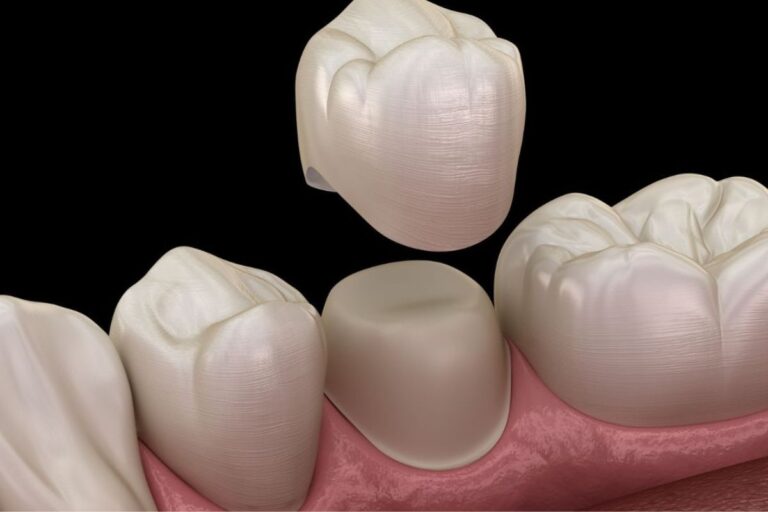
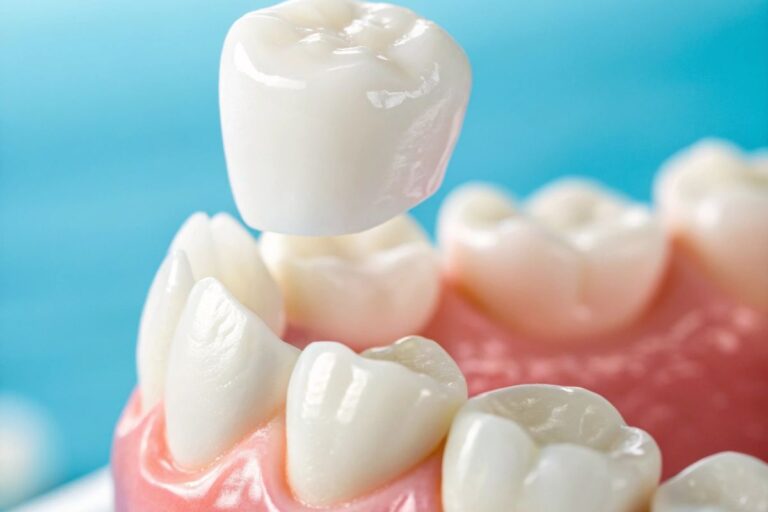
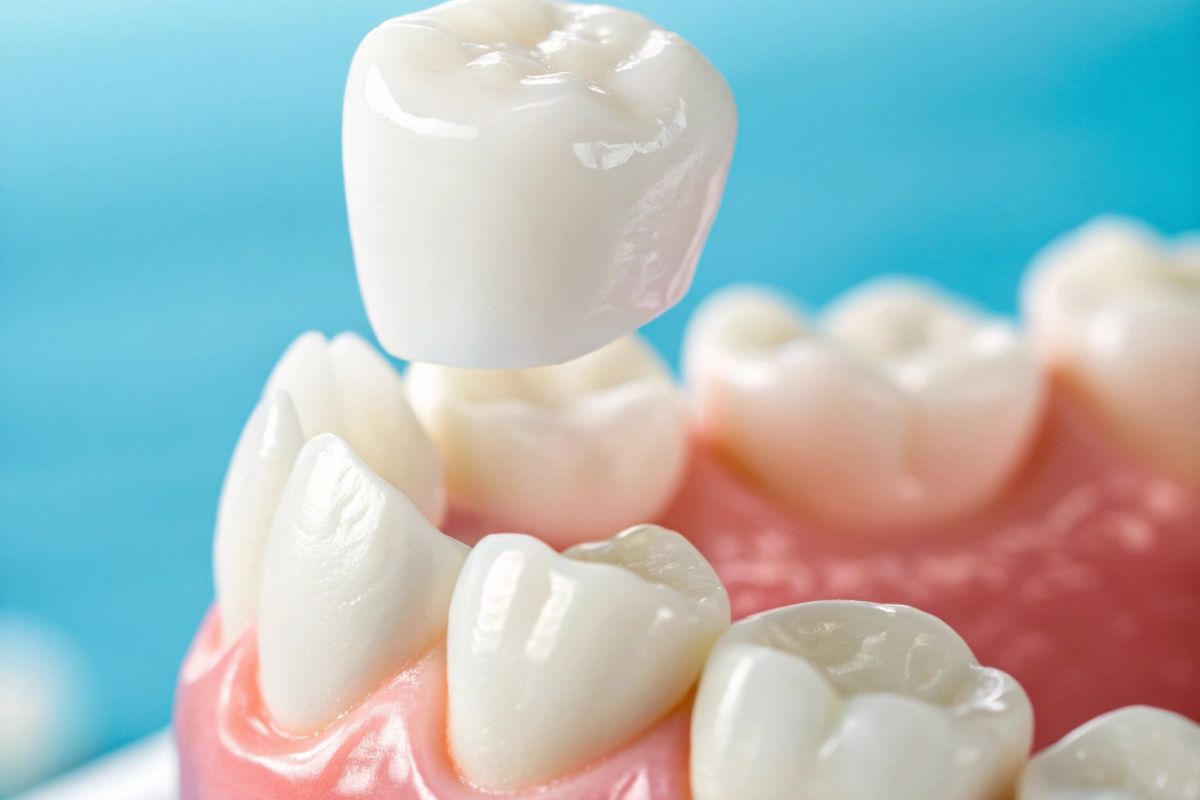
A dental crown is a custom-made cap that covers the visible part of a tooth, restoring its shape, size, strength, and overall appearance. While a root canal can save a tooth from more serious damage, the treatment doesn’t end there. Afterward, the tooth still needs protection to remain strong over time, which is where dental crowns play an important role.
If you’ve recently had a root canal or are planning one, understanding how a crown protects your tooth can help you feel more confident about the next step in your dental care.
Why Teeth Become Weaker After a Root Canal
A root canal removes infected tissue from inside the tooth to stop pain and protect surrounding teeth. While this treatment saves the tooth, it also alters its function. Without living tissue inside, the tooth loses moisture and flexibility, increasing its likelihood of cracking under pressure.
Besides, daily eating habits often involve foods that require steady chewing force. Crunchy shells, grilled meats, and firm breads can stress treated teeth. The dentist evaluates the tooth after treatment to determine how much support it needs moving forward.
How Dental Crowns Protect Treated Teeth
Teeth that have undergone a root canal are more vulnerable to damage without added support. Small cracks can develop over time and may extend toward the root, making the tooth harder to preserve. Dental Crown Treatment helps hold the tooth together and reduces stress on the tooth during everyday chewing and biting.
Crowns also seal the tooth against bacteria, lowering the risk of future infection. In the back of the mouth, where most chewing takes place, this added layer of protection plays a key role in keeping the tooth strong and functional for years to come.
Is a Crown Always Needed After Root Canal Treatment?
Not every tooth requires the same level of care after a root canal. Front teeth usually face less pressure and may not need immediate coverage. Back teeth handle most chewing force and often require protection sooner.
Your dentist reviews the tooth’s location, structure, and bite alignment. X-rays and exams help guide this decision. This careful approach helps prevent damage rather than treating problems after they occur.
What Happens During the Crown Placement Process
Tooth cap placement usually takes two visits. During the first visit, the dentist shapes the treated tooth and removes weakened areas. An impression is taken so the crown fits properly. A temporary cover protects the tooth during this stage.
At the second visit, the permanent crown is placed and adjusted for comfort and bite balance. Most patients return to normal activities the same day, with improved strength and function.
Materials Used for Crowns and Their Purpose
Crowns are made from several materials depending on the tooth’s location and function. Porcelain and ceramic often suit visible teeth, while stronger materials work well for back teeth that handle more pressure.
A dental practitioner explains each option clearly and helps patients understand which option best fits their needs.
Caring for a Crown After Placement
After a root canal and cap placement, ongoing care remains essential. The dentist checks the crown’s fit and monitors gum health around the tooth during routine visits.
Daily brushing and flossing help protect the crown and surrounding teeth. With proper care, crowns can last many years and support long-term oral comfort.
Protect Your Smile for Long-Term Use
A root canal can save your tooth, but a dental crown helps protect that investment. By restoring strength and preventing damage, crowns allow you to chew comfortably and smile with confidence. If you’ve had a root canal and want to protect your tooth for the long term, Westlakes Family Dental is here to help patients across San Antonio, TX. Visit us today and take the next step toward a stronger, healthier smile you can rely on every day.
FAQs About Dental Crown Treatment
Do crowns cause pain after placement?
Most patients feel mild pressure for a short time. Any discomfort usually fades within days as the mouth adjusts, especially once the bite is properly balanced.
How long can crowns last?
With proper care, crowns often last ten years or longer. Daily brushing, flossing, and regular dental visits help extend their lifespan.
Can I eat normally after getting a crown?
Yes. Once healing is complete, most people return to regular eating habits without difficulty, including chewing firm foods comfortably.
Are crowns placed in one visit?
Crown placement usually takes two visits. The first prepares the tooth, and the second places the permanent crown.
Do crowns require special cleaning?
Crowns do not need special products. Brushing twice daily and flossing once a day help keep the area clean and healthy.