Dental Crowns Vs. Dental Fillings- Which Restoration Option is Better?
Have you ever wondered whether to choose a dental crown or a dental filling for a damaged tooth? If you’re in San Antonio and facing the decision about which restoration to choose, you might be feeling a little confused.
Both crowns and fillings are effective options for restoring your smile, but understanding their differences can help you choose the right treatment. At Westlakes Family Dental in San Antonio, we want to provide you with all the information you need to make an informed decision and ensure you receive the best oral health care.
Understanding Dental Crowns and Dental Fillings
Both dental crowns and fillings play an important role in restoring the structure, function, and appearance of teeth damaged by decay or injury. Let’s explore each treatment option more closely to understand when they are needed and how they work.
What are Dental Crowns?
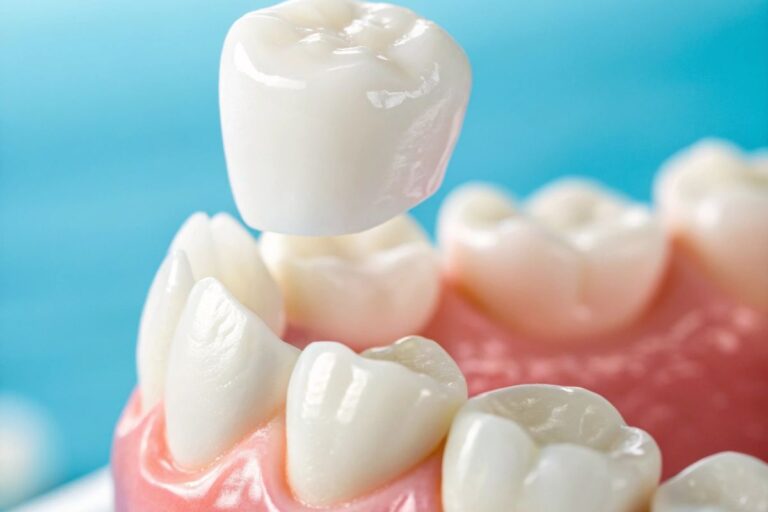
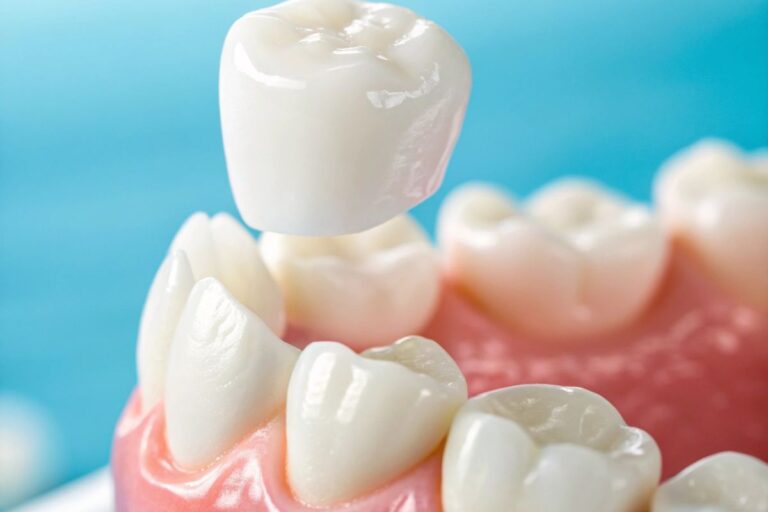
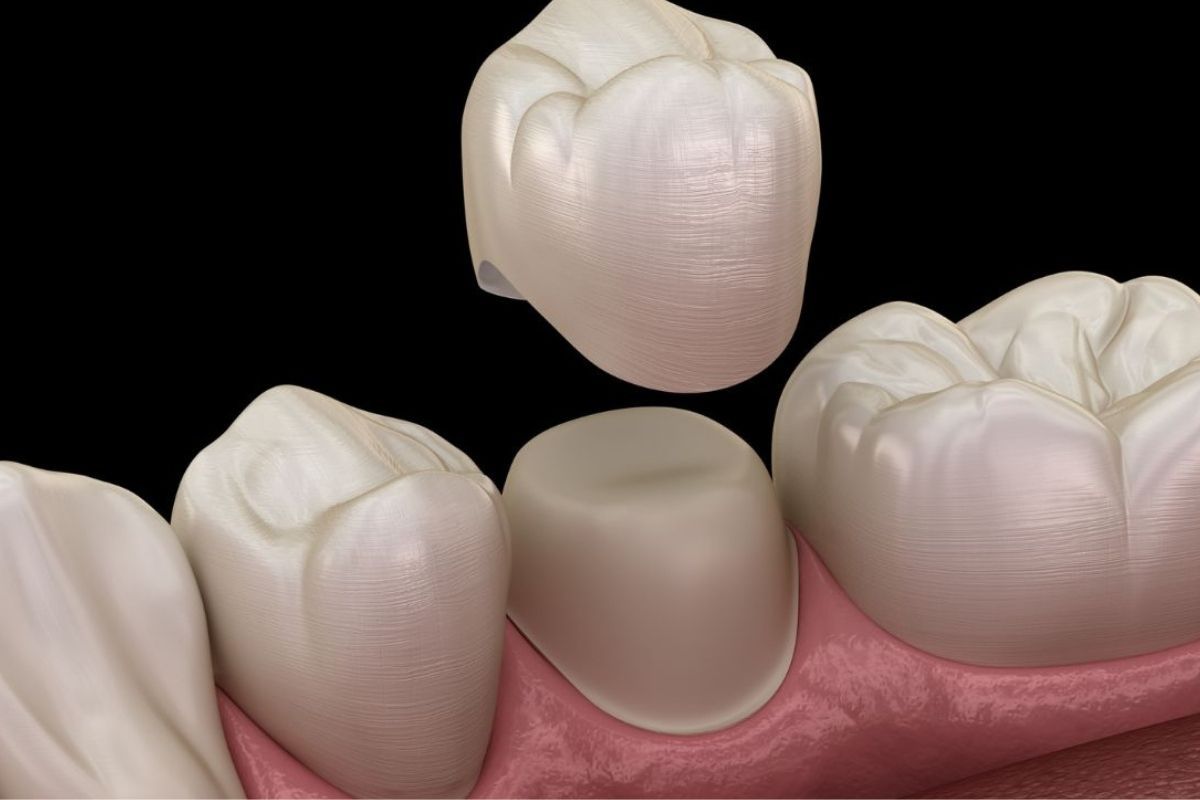
A dental crown is a tooth-shaped cap that completely covers a damaged tooth. Crowns are often used when a tooth is significantly damaged or weakened, either from decay, trauma, or after a root canal procedure. The crown not only restores the tooth’s appearance but also strengthens and protects it from further damage.
Who Needs a Dental Crown?
These restorations are commonly recommended for patients who have:
- Large cavities that cannot be fixed with a filling alone.
- Cracked or broken teeth in need of additional protection.
- Worn-down teeth that require restoration.
- Teeth that have had root canal therapy are protected from further damage.
Crowns can be made from a variety of materials such as porcelain, ceramic, or metal alloys. Porcelain crowns are often preferred due to their ability to blend seamlessly with natural teeth, which is particularly important for visible teeth.
What are Dental Fillings?
A dental filling is a simpler restoration used to fill a cavity or small crack. After removing the decayed part of the tooth, the dentist fills the space with a material that hardens and restores the tooth’s structure. Fillings are a great choice for small to medium-sized cavities and are typically less invasive than crowns.
Who Needs Dental Fillings?
Dental fillings are ideal for patients who have:
- Small to medium cavities that don’t affect the entire tooth.
- Minor tooth decay or wear.
- Teeth with minimal damage that don’t require extensive restoration.
Fillings can be made from various materials such as composite resin, amalgam, gold, or porcelain. The choice of material often depends on the cavity location, patient preferences, and cost.
Which is the Right Choice for You?
Now that we understand what each treatment involves, let’s dive into when one might be a better option than the other.
1. Extent of Damage
If the damage is extensive and affects most of the tooth, a crown will provide the necessary strength and protection. A filling is typically used for smaller cavities and minor tooth damage.
2. Longevity
Crowns are designed to last longer than fillings. On average, dental crowns last between 10 to 15 years, depending on the material used and how well you care for them. Dental fillings, while effective, may need to be replaced more often, especially if the cavity is large or in a high-pressure area of the mouth.
3. Appearance
If you’re concerned about how your restoration will look, you’ll be happy to know that both crowns and fillings can be made to match your natural tooth color. However, dental crowns are often the better option for visible teeth that need more coverage, as they completely encase the tooth and can be made from porcelain or ceramic to blend naturally with your smile.
4. Tooth Preservation
Fillings are less invasive than crowns and preserve more of your natural tooth structure. With a dental filling, the dentist removes only the decayed portion of the tooth and fills it, leaving most of the healthy tooth intact. In contrast, crowns require more of the original tooth to be shaved down to fit the cap properly.
Choosing between a dental crown and a dental filling depends on the extent of damage to your tooth, your budget, and your specific needs. If your tooth has only a small cavity or minor damage, a filling may be sufficient. However, if the tooth is severely cracked, decayed, or has undergone root canal treatment, a crown may be the better option for long-lasting restoration and protection.
Ready to Decide on the Right Restoration?
At Westlakes Family Dental, we understand that choosing the right dental restoration can be overwhelming. Our expert dental team is here to guide you through the process and help you make the best decision for your dental health. Visit our dental office in San Antonio today to schedule a consultation with our team and get expert advice to restore your smile.
FAQs About the Differences Between Dental Crowns and Fillings
- What Is The Main Difference Between A Crown And A Filling?
A crown covers the entire tooth, while a filling restores a cavity or small crack. - How Long Do Dental Crowns Last?
Dental crowns can last anywhere from 10 to 15 years, depending on the material and how well you care for them. - Can A Filling Fix A Cracked Tooth?
Small cracks can be treated with fillings, but larger cracks may require a crown for added protection. - Are Dental Fillings More Affordable Than Crowns?
Yes, fillings are generally less expensive than crowns, but crowns provide more long-term protection for severely damaged teeth. - Which Is Better For Cavities, Crowns, Or Fillings?
Fillings are ideal for small cavities, while crowns are better for larger cavities or when a tooth is extensively damaged. - Can Dental Crowns Be Customized To Match My Natural Teeth?
Yes, dental crowns can be made to match your natural teeth for a seamless look. - Do I Need A Crown After A Root Canal?
Yes, a crown is often recommended after a root canal to protect the tooth from further damage and restore its function.