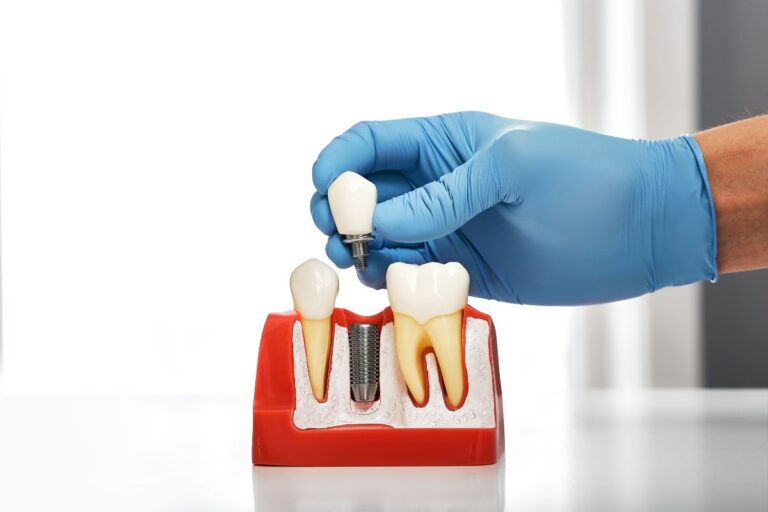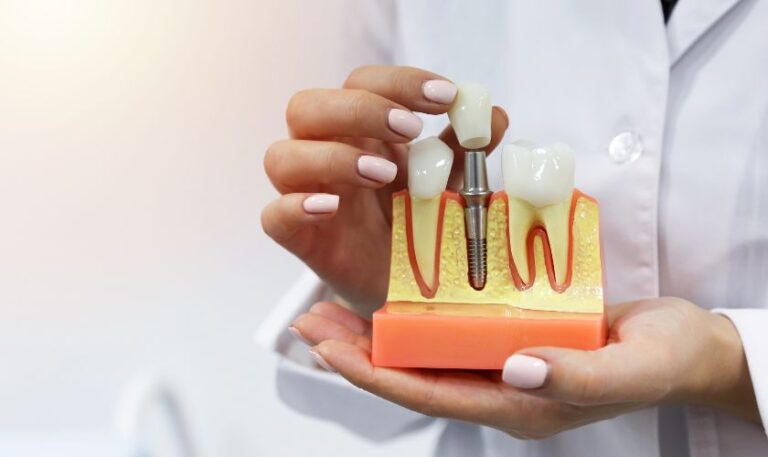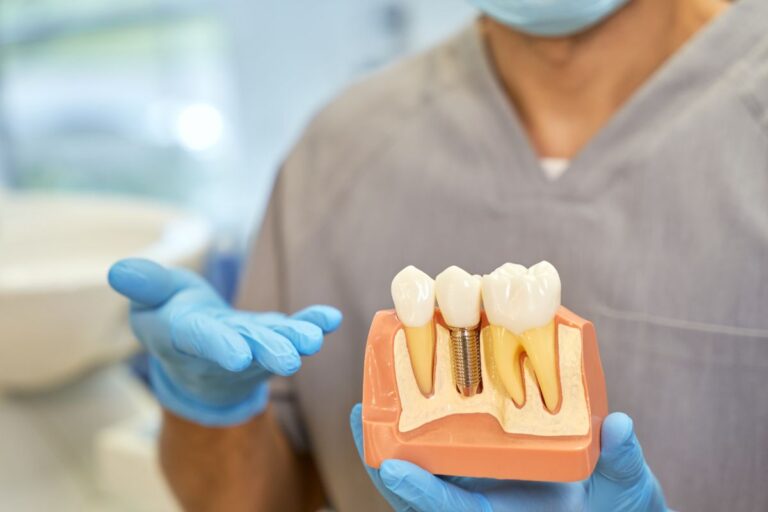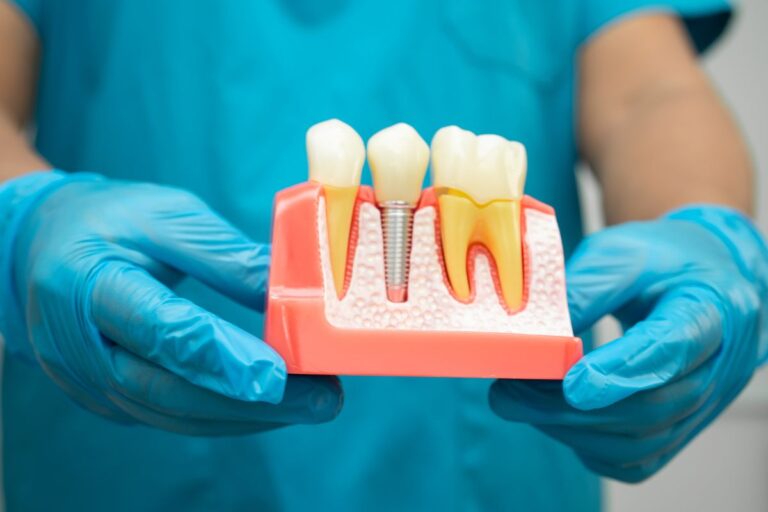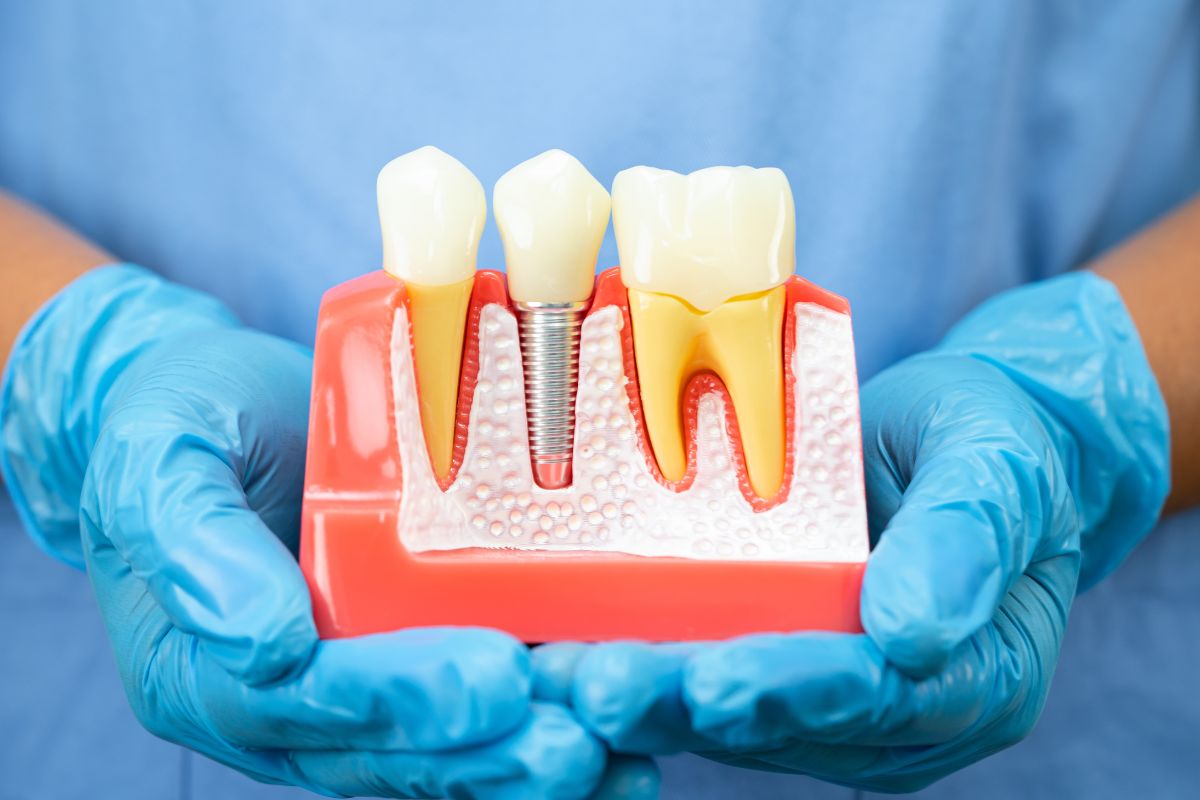
Immediate vs Delayed Implants: Understanding the Timeline
Losing a tooth often brings up one big question: Should the replacement happen right away, or is it better to wait? Implant timing can feel confusing when every smile, gum condition, and healing pattern looks different. Understanding the difference between immediate and delayed implants can help you feel more prepared before making a decision that affects comfort, function, and long-term oral health.
Both approaches can be effective. The right timeline usually depends on healing, bone support, gum health, and the overall condition of the tooth being replaced.
Understanding Dental Implant Timing
Dental implants are designed to replace missing tooth roots and support long-lasting restorations such as crowns, bridges, or dentures. However, implants are not always placed at the same time after tooth loss.
There are two primary treatment timelines:
- Immediate implants – placed shortly after tooth extraction, sometimes during the same appointment
- Delayed implants – placed after the extraction site has healed over time
The best option depends on several clinical factors, including bone support, gum health, infection risk, and overall oral condition.
What Are Immediate Dental Implants?
Immediate dental implants are placed soon after a tooth is removed, often during the same visit or shortly afterward. This approach reduces the waiting period between extraction and implant placement.
For patients considering dental implants, immediate treatment may be suitable when the extraction site is healthy, bone support is strong, and there are no signs of active infection.
Benefits of Immediate Implants
Immediate implant placement can offer several advantages:
- Fewer treatment stages
- Shorter overall treatment timeline
- Earlier implant integration with the jawbone
- Better preservation of natural bone structure
- Reduced the collapse of the surrounding soft tissue
- Faster planning for final restoration
For some patients, immediate treatment also helps preserve the natural shape of the smile, especially when replacing visible front teeth.
However, while immediate implants can be efficient, they are not ideal in every situation.
When Are Immediate Implants Recommended?
Dentists may recommend immediate implant placement when:
- The surrounding jawbone is healthy and dense
- Gum tissue is stable
- Tooth removal is uncomplicated
- There is little to no infection present
- The patient has good oral hygiene and healing potential
When these conditions are favorable, placing the implant early may improve treatment efficiency while maintaining long-term stability.
What Are Delayed Dental Implants?
Delayed dental implants are placed after the extraction site has healed completely. Instead of inserting the implant immediately, the dentist allows the gums and bone to heal first.
Healing may take several weeks to a few months, depending on tissue repair, bone regeneration, and whether additional procedures are needed.
Although delayed treatment requires patience, it often creates a stronger and healthier foundation for implant placement.
Why Might Delayed Implants Be Necessary?
Dentists commonly recommend delayed implants when the mouth needs additional healing or preparation.
Common reasons include:
- Bone loss near the missing tooth
- Active gum disease or infection
- Swelling or damaged tissue
- Complex tooth extractions
- Need for bone grafting
- Thin or unstable gum tissue
- Poor initial implant support risk
In these situations, allowing time for healing may reduce complications and improve long-term success.
Immediate vs. Delayed Implants: How Healing Differs
Healing is one of the biggest differences between the two treatment options.
Immediate Implant Healing
With immediate implants, the healing process begins right after placement. The implant starts integrating with the jawbone while the extraction site recovers.
Potential benefits include:
- Earlier bone stimulation
- Reduced total treatment time
- Fewer separate surgical stages
However, healing must still be carefully monitored because the implant needs stable support from day one.
Delayed Implant Healing
With delayed implants, the extraction site heals first before the implant is placed.
This approach may provide:
- Better soft tissue recovery
- Reduced infection-related risk
- Improved precision during placement
- Stronger support when bone rebuilding is needed
Although the process may take longer, it often creates a safer treatment path when tissue health is compromised.
What Factors Help Determine the Right Implant Timeline?
There is no universal answer. Implant timing should always be based on your oral condition and long-term treatment goals.
Dentists typically evaluate several important factors before recommending immediate or delayed placement.
1. Jawbone Strength and Density
Dental implants rely on strong bone support. If bone volume is weak or reduced, delayed placement may allow for grafting or regeneration.
2. Gum Tissue Health
Healthy gums are essential for healing and implant stability. Inflamed or damaged tissue may need time to recover first.
3. Presence of Infection
Active infection near the extraction area can affect implant success. Delayed treatment may be safer when infection control is necessary.
4. Tooth Extraction Complexity
Simple extractions may allow faster implant placement, while complex removals may require healing before treatment can continue.
5. Bite Alignment and Pressure
Your bite affects how force is distributed across the implant. Proper evaluation helps reduce stress during healing.
6. Overall Oral Health
Conditions such as untreated decay, gum disease, or poor oral hygiene habits may affect the timing and treatment planning.
The goal is not simply faster treatment; it is creating the healthiest and most stable result possible.
Why Implant Timing Matters for Long-Term Success
Choosing the right implant timeline affects more than convenience. It can directly influence both appearance and function.
When implant treatment is carefully planned, patients often experience:
- Better jawbone preservation
- Stronger implant stability
- Healthier surrounding gum tissue
- Improved chewing ability
- Better speech clarity
- Natural-looking aesthetics
- More predictable healing
Whether treatment is immediate or delayed, success depends on placing the implant when the mouth is ready to support it properly.
Why Early Evaluation After Tooth Loss Is Important
Many people postpone treatment because of work schedules, travel, or family responsibilities. But waiting too long after losing a tooth can sometimes reduce available treatment options.
An early dental evaluation helps preserve important structures before major changes occur.
Benefits of Early Evaluation
Seeing a dentist soon after extraction may help:
- Preserve more jawbone volume
- Prevent neighboring teeth from shifting
- Identify infection or tissue damage early
- Reduce future treatment complexity
- Potentially shorten the total implant timeline
- Improve long-term implant success
Even if immediate placement is not recommended, early planning helps build a better treatment strategy.
Restore Your Missing Teeth Confidence in San Antonio
Tooth loss does not always require immediate treatment. In some cases, placing an implant soon after extraction can provide excellent results. In others, allowing the area time to heal may create a stronger and more stable foundation for long-term success. The right treatment timeline depends on factors such as bone health, gum condition, healing ability, and your overall oral health goals.
At Westlakes Family Dental, we create personalized implant treatment plans focused on comfort, precision, and lasting results. If you are considering dental implants to replace missing teeth, our team is here to help determine whether immediate or delayed implant placement is the best option for your smile and long-term dental health.
Visit our San Antonio dental office and take the next step toward restoring function, confidence, and a healthier, stronger smile.
FAQs About Immediate vs. Delayed Dental Implants
1. Are immediate dental implants always faster?
They may shorten the overall treatment process because placement happens sooner. However, healing and bone integration still take time before the final restoration can be completed.
2. Can everyone get immediate dental implants?
No. Immediate implants are best for patients with healthy bone, stable gums, and no active infection. Some patients may benefit more from delayed placement.
3. Are delayed implants safer than immediate implants?
Not always. Delayed implants may be safer when infection, bone loss, or tissue damage is present. The safest option depends on the patient’s oral condition.
4. Is bone grafting only needed for delayed implants?
No. Bone grafting depends on available bone volume, not strictly on implant timing. Some immediate implant cases may also require grafting.
5. Will I need to stay without a tooth for months?
Not necessarily. Temporary restorations or replacement options may be available during healing to maintain appearance and function.
6. Does delayed implant placement affect final results?
When planned correctly, delayed implants can provide excellent long-term stability, appearance, and function.
7. How do dentists choose between immediate and delayed implants?
Dentists evaluate bone density, gum health, infection risk, extraction complexity, and overall healing ability before recommending the most appropriate timeline.