Is It Better To Remove Wisdom Teeth Early Or Wait?
Most people do not spend much time thinking about their wisdom teeth until discomfort shows up. One day, everything feels normal. Next, there is swelling, pressure, jaw soreness, or trouble chewing. That is usually when the big question comes up: should wisdom teeth come out early, or is it better to wait?
The answer depends on several factors, including age, tooth position, oral health, and symptoms. In many cases, acting early can help patients avoid more complicated dental issues later on. However, every patient is different, which is why professional evaluation is important.
Why Dentists Often Recommend Early Wisdom Teeth Removal
Wisdom teeth are typically removed during the late teens or early twenties because the procedure is often easier at this stage. The roots are still developing, the jawbone is softer, and healing is usually quicker and more comfortable.
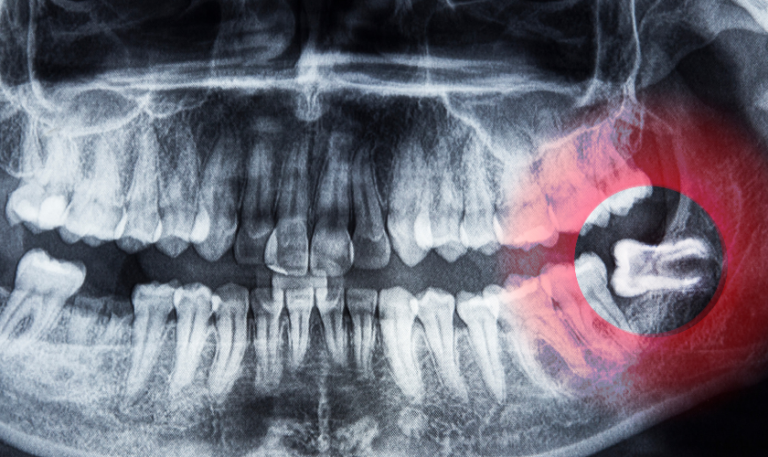
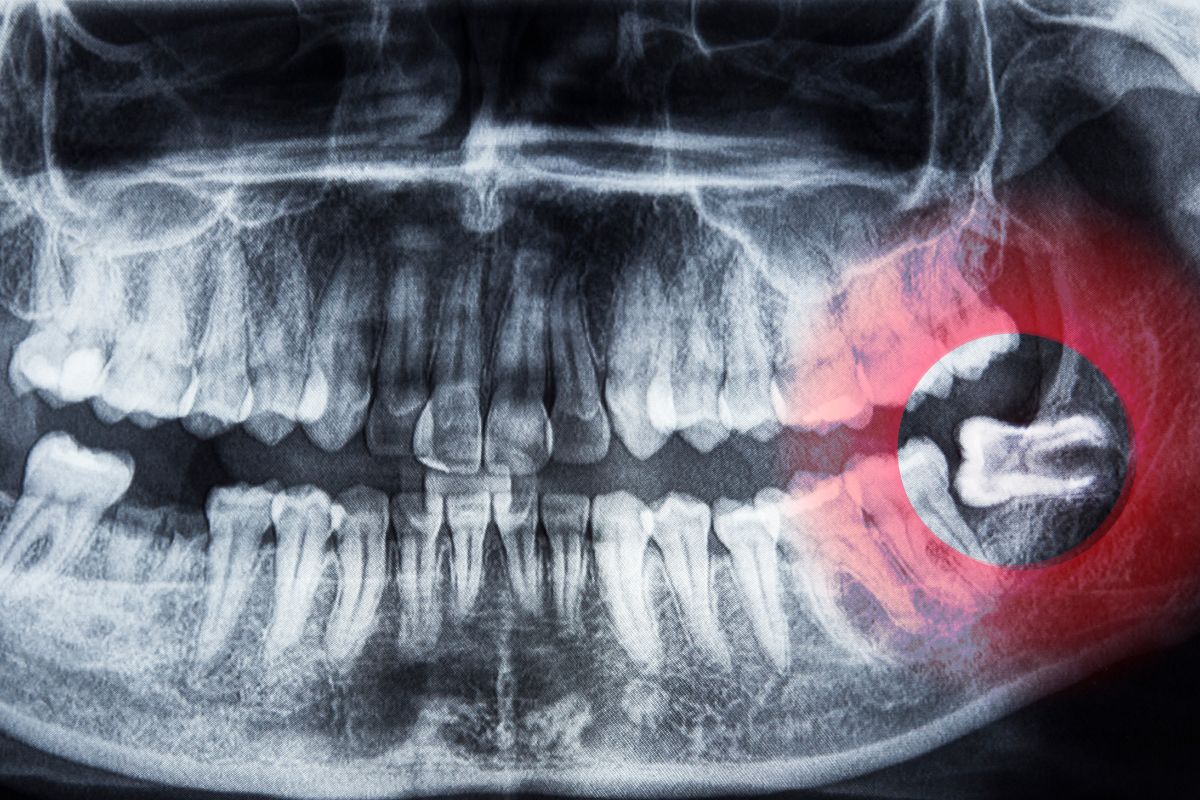
Many wisdom teeth grow at awkward angles or remain trapped beneath the gums. These impacted teeth can place pressure on nearby teeth and create areas that are difficult to clean properly.
Early wisdom teeth extraction may help prevent:
- Crowding of surrounding teeth
- Gum irritation and swelling
- Cavities in hard-to-reach areas
- Infections caused by trapped bacteria
- Damage to neighboring teeth
- Ongoing jaw discomfort
Partially erupted wisdom teeth are especially problematic because food particles and bacteria can collect around them, increasing the risk of infection and inflammation.
What Happens If You Wait Too Long?
Waiting is not always the wrong choice. Some wisdom teeth erupt normally, remain healthy, and never cause issues. However, delaying treatment can sometimes lead to more complicated problems later.
As people age, wisdom tooth roots continue to grow and become more firmly attached to the jawbone. This can make extraction more difficult and recovery longer.
Patients who delay treatment may eventually experience:
- Sudden pain or swelling
- Recurring gum infections
- Pressure against nearby teeth
- Difficulty opening the mouth fully
- Headaches caused by jaw tension
One of the biggest concerns is that wisdom teeth problems often develop silently. Damage may occur beneath the gums long before noticeable symptoms appear. Routine dental exams and X-rays help detect these hidden issues early.
Does Everyone Need Wisdom Teeth Removed?
Not necessarily. Some wisdom teeth remain healthy, fully erupted, and easy to clean. In those cases, monitoring the teeth may be the best option.
Before recommending removal, dentists typically evaluate:
- The position of the teeth
- Gum health
- Available space in the mouth
- Signs of infection or decay
- The likelihood of future complications
Even symptom-free wisdom teeth should still be monitored regularly because conditions can change over time.
Signs Your Wisdom Teeth May Need Attention
Wisdom teeth issues do not always begin with severe pain. Sometimes the warning signs are subtle.
Pay attention to symptoms like:
• Tender or swollen gums
• Pain near the back teeth
• Bad breath that does not improve
• Jaw stiffness
• Difficulty chewing comfortably
• Frequent headaches or facial pressure
Ignoring these symptoms can allow minor concerns to develop into more serious dental problems.
What Recovery Is Usually Like
Many patients feel nervous about wisdom teeth removal because they are unsure what recovery will involve. Fortunately, most people return to normal activities within a few days.
Recovery often depends on the position of the teeth and the patient’s age. Younger patients generally heal faster because their roots and jawbone are less developed.
After treatment, dentists typically recommend:
- Resting for the first 24 hours
- Staying hydrated
- Eating soft foods temporarily
- Avoiding smoking and drinking through straws
- Following all aftercare instructions carefully
Proper aftercare and early treatment often contribute to a smoother, more comfortable recovery.
Is It Too Late to Remove Wisdom Teeth in Your 30s or 40s?
It is never too late to address wisdom teeth concerns. However, wisdom teeth extraction can become more complex with age.
By the time patients reach their 30s or 40s, several changes may increase the difficulty of treatment:
- The roots are fully developed
- The jawbone becomes denser
- Healing may take longer
- Teeth may sit closer to important nerves
- Nearby teeth may already be affected by decay or gum disease
Partially erupted wisdom teeth can also continue causing recurring infections, gum problems, and damage to surrounding teeth.
Although extraction later in life is still common and successful, it usually requires a more careful evaluation and treatment plan. Working with an experienced dental team is important for minimizing risks and ensuring a smoother recovery.
Protect Your Smile Before Problems Begin
Wisdom teeth rarely improve on their own once symptoms develop. Early evaluation can help prevent discomfort, protect nearby teeth, and reduce the risk of future complications.
At Westlakes Family Dental, our team takes the time to carefully evaluate your oral health and recommend the right solution for your needs. Whether you are already experiencing discomfort or simply want peace of mind, we are here to help you make informed decisions about your smile.
If you are concerned about your wisdom teeth, schedule an evaluation at our dental office in San Antonio and learn whether monitoring or early removal is the best option for your long-term oral health.
FAQs About Wisdom Teeth
1. Do wisdom teeth always need to be removed?
No. Some wisdom teeth grow normally and remain healthy for years. Dentists usually recommend removal only when there is a risk of future complications or when there are existing dental problems.
2. At what age is it best for wisdom teeth removal?
Most patients have wisdom teeth evaluated between the ages of 16 and 25. Earlier treatment is often easier because healing tends to be faster.
3. Can wisdom teeth cause headaches?
Yes. Impacted or misaligned wisdom teeth can place pressure on the jaw and surrounding structures, which may contribute to headaches or facial discomfort.
4. Is wisdom teeth removal painful?
Patients are kept comfortable during the procedure. Mild soreness and swelling afterward are common, but most symptoms improve within a few days.
5. How do I know if my wisdom teeth are impacted?
Dental X-rays are usually needed to confirm impaction. Common signs include swelling, jaw pain, gum irritation, and pressure near the back teeth.
6. What foods can I eat after wisdom teeth removal?
Soft foods like yogurt, mashed potatoes, soup, smoothies, scrambled eggs, and oatmeal are usually recommended during the early recovery period.
7. Can I wait until wisdom teeth hurt before removing them?
You can, but waiting may allow hidden problems to worsen. Many dental issues linked to wisdom teeth begin before noticeable pain appears.