Bleeding Gums? Early Warning Signs You Shouldn’t Ignore
You’re brushing your teeth, and suddenly you notice pink in the sink. It is easy to shrug it off and assume you brushed too hard. But bleeding gums are not something to ignore. They are often your body’s way of signaling that something deeper is going on.
Healthy gums do not bleed during normal brushing or flossing. If yours do, it is worth paying attention. Acting early can save you from more complex dental issues later.
What Bleeding Gums Actually Mean
Healthy gums are firm, pale pink, and never bleed during routine brushing or flossing. When they do bleed, it almost always points to gingivitis, the earliest and most reversible stage of gum disease. Gingivitis develops when plaque, the invisible bacterial film that coats your teeth throughout the day, is allowed to accumulate along the gumline. The bacteria in plaque release toxins that trigger an inflammatory response in gum tissue, causing it to become red, swollen, and fragile enough to bleed with the slightest pressure.
What makes this especially deceptive is that gingivitis is painless. Many people go months or years without realizing they have it, simply because it doesn’t hurt.
According to the National Institute of Dental and Craniofacial Research (NIDCR), an estimated 42.2% of U.S. adults aged 30 and older have some form of periodontitis, the advanced stage that follows untreated gingivitis. That translates to nearly half the adult population living with a condition that could have been reversed in its early stages with a simple dental cleaning and better brushing habits.
Warning Signs That Go Beyond the Bleeding
Bleeding during brushing is the most recognized symptom, but gum disease announces itself in several other ways that are easy to overlook:
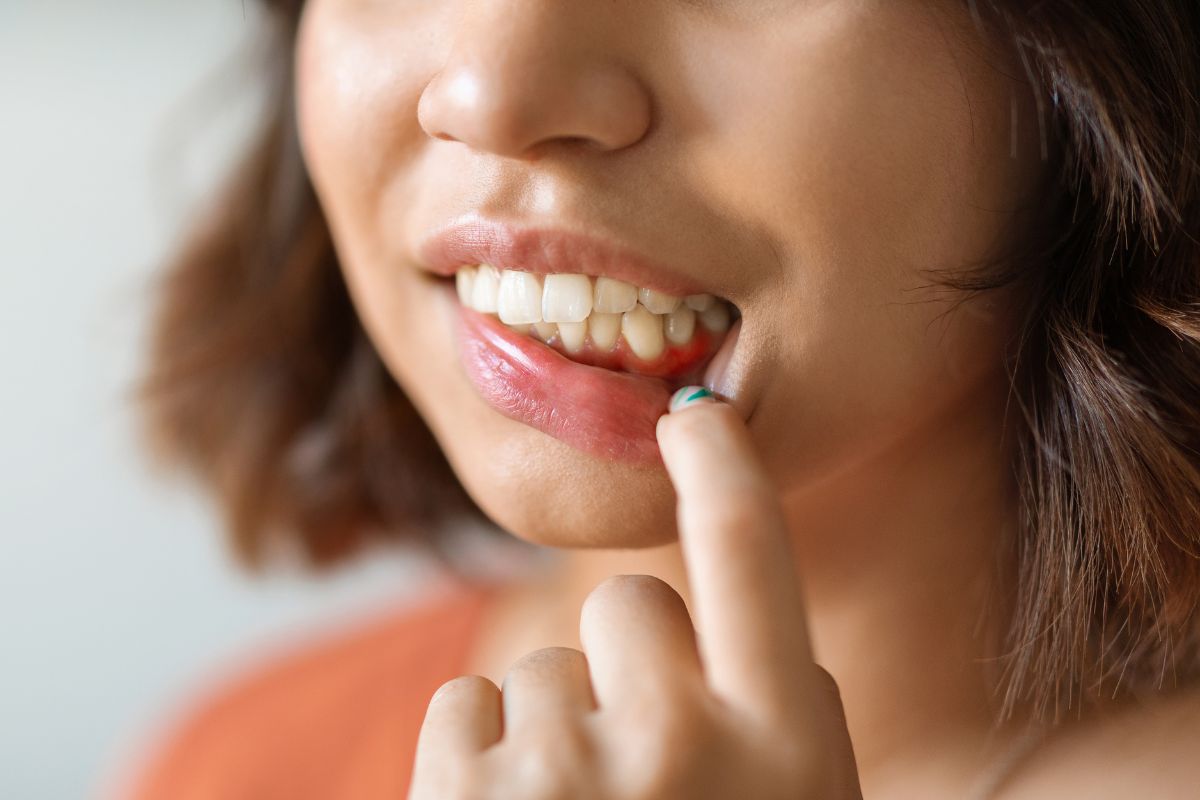
Gums that look red or swollen
Healthy gum tissue is tight and light pink. If yours appear puffy, darker red, or visibly inflamed around the base of your teeth, that’s active irritation, not just a cosmetic change.
Persistent bad breath
The bacteria responsible for gum disease produce sulfur compounds that no amount of mouthwash can permanently mask. If you’ve been popping breath mints more often than usual or feel self-conscious after enjoying a bowl of puffy tacos, and the freshness just doesn’t last, bacterial buildup at the gumline may be the culprit.
Gums that are pulling away from your teeth
Gum recession is one of the most telling signs that gingivitis is progressing to periodontitis. Teeth may appear longer than they used to, or you may notice an increased sensitivity to hot and cold foods and beverages.
Teeth that feel loose or have shifted
Advanced gum disease destroys the bone and connective tissue that anchor your teeth. If teeth that used to feel solid now have any mobility, this is a dental emergency requiring prompt attention.
Pain when chewing
Discomfort during meals, especially when biting into something crunchy like a tortilla chip, can signal that the infection has penetrated deeper tissue.
Who Is at a Higher Risk?
While poor brushing and flossing habits are the most common trigger, certain factors dramatically increase your risk of developing gum disease:
Smoking and tobacco use
Tobacco interferes with normal gum tissue function and restricts blood flow to the gums, making it harder for your body to fight off infection. Smokers are significantly more likely to develop periodontitis and respond less effectively to treatment.
Diabetes
The relationship between diabetes and gum disease is bidirectional; uncontrolled blood sugar promotes bacterial growth in the mouth, while untreated gum disease makes blood sugar harder to regulate. This connection is particularly important for communities in South Texas, where diabetes rates are among the highest in the nation.
Hormonal changes
Pregnancy, menopause, and puberty all alter hormone levels in ways that make gum tissue more sensitive and reactive to plaque. Pregnant women are strongly advised to maintain their dental checkups throughout pregnancy for exactly this reason.
Certain medications
Antihistamines, antidepressants, and blood pressure medications can reduce saliva flow, which is your mouth’s natural defense against bacterial buildup. Dry mouth dramatically increases the risk of gum disease.
Genetics
Some people are simply more predisposed to gum disease, even with excellent oral hygiene. If a parent or sibling has had periodontal problems, mention it to your dentist so they can monitor your gums more closely.
How Modern Gum Disease Treatment Works
The good news is that modern dental care makes gum disease treatment more comfortable and effective than ever.
Professional Dental Cleaning
For early-stage gingivitis, a professional cleaning is often enough to remove plaque and tartar buildup and reverse inflammation.
Combined with improved brushing and flossing habits, gums can often return to full health.
Scaling and Root Planing
If gum disease has progressed, your dentist may recommend scaling and root planing.
This deep-cleaning procedure removes bacteria and tartar from below the gumline while smoothing root surfaces to discourage future buildup.
Advanced Periodontal Treatments
In more severe cases, treatment may include:
- Localized antibiotic therapy
- Laser-assisted periodontal treatment
- Bone grafting procedures
- Periodontal maintenance therapy
The earlier treatment begins, the simpler and less invasive it tends to be.
Why Regular Professional Care Is Non-Negotiable
No matter how diligently you brush and floss at home, and you should be doing both twice daily, you cannot remove calcified tartar deposits without professional instruments. Once plaque hardens into tartar, it becomes a permanent bacterial reservoir that continues to irritate your gums until a hygienist removes it.
The American Dental Association recommends professional cleanings every six months for most adults. Those with a personal or family history of gum disease may benefit from more frequent visits, every three to four months, to stay ahead of any returning inflammation. Your dentist will help you determine the schedule that best protects your individual health.
Save Your Gums Early
If you’ve noticed bleeding gums, taking action today can make a significant difference.
Brush Properly
Brush twice daily for at least two minutes using a soft-bristled toothbrush and fluoride toothpaste. Pay special attention to the gumline.
Floss Every Day
Flossing removes plaque and food particles between teeth where your toothbrush cannot reach.
Use an Antimicrobial Mouth Rinse
A dentist-recommended mouth rinse can help reduce bacteria and calm early gum inflammation.
Schedule a Dental Exam
If it has been more than six months since your last visit, now is the time to book an appointment.
Take the First Step Toward Healthier Gums
Bleeding gums rarely improve on their own. When ignored, they can gradually develop into more serious conditions that may require extensive treatment. The encouraging part is that gum disease is largely preventable with timely care and early intervention.
At Westlakes Family Dental, we use advanced technology alongside personalized attention to support your long-term oral health. Schedule your visit to our San Antonio office today and take a proactive step toward healthier gums.
FAQs About Treating Gum Disease
1. Why do my gums bleed when I brush, even though I brush gently?
Bleeding during brushing, even when gentle, typically signals early gingivitis caused by bacterial plaque at the gumline. A professional cleaning and improved flossing habits can reverse this condition before it advances.
2. Can bleeding gums go away on their own without seeing a dentist?
Early gingivitis may improve with better brushing and flossing, but professional removal of tartar buildup is essential. Gum disease rarely resolves completely without a dental cleaning and proper guidance.
3. Is gum disease linked to heart disease or other health problems?
Research consistently links periodontitis to cardiovascular disease, diabetes complications, and respiratory infections. Treating gum disease not only protects your mouth but also supports your overall systemic health.
4. How do I know if my gum disease has gone beyond gingivitis?
Signs of advanced periodontitis include persistent bad breath, visible gum recession, tooth sensitivity, loose teeth, and pain when chewing. A dental exam with X-rays will confirm the extent of any bone or tissue involvement.
5. Is gum disease treatment painful with modern dental technology?
Modern gum disease treatment, including scaling and root planing, is performed with local anesthesia and advanced ultrasonic instruments, making the experience significantly more comfortable than older methods most patients remember or fear.
6. Can children develop gum disease, and should I be concerned?
Children can develop gingivitis, especially during puberty when hormonal changes increase gum sensitivity. Teaching proper brushing and flossing early, combined with regular dental visits, effectively prevents gum disease in young patients.
7. How often should someone with a history of gum disease visit the dentist?
Patients with a history of periodontal disease typically benefit from cleanings every three to four months rather than the standard six. More frequent visits help keep bacterial levels under control and prevent recurrence of infection.