Can Smokers Get Dental Implants? Risks and Considerations
Dental implants provide a permanent solution for tooth loss, enhancing your dental health and quality of life. However, for individuals who smoke, the process may be more complicated. Smoking can impact the healing process and increase the risk of complications. If you’re considering this treatment, understand how smoking affects your treatment and the necessary precautions.
In this blog, find out about the risks and considerations you need to know before you get these dental restorations.
How Smoking Affects Prosthetic Teeth?
When we talk about dental implant Treatment, healing is everything. After the implant is placed, your jawbone needs time to bond with it. This process is called osseointegration, and it is what makes implants stable and long-lasting.
Smoking can interfere with this process in several ways:
Reduced Blood Flow
Smoking restricts blood flow, which can interfere with the healing process after dental restoration surgery. Proper healing is critical to the success of the treatment.
Increased Risk of Infection
Nicotine and other chemicals in cigarettes can compromise the body’s ability to fight infections. This is particularly concerning after the surgery, when your gums need to heal properly to support the new tooth.
Slower Healing Time
Smoking can delay the healing of bone and tissue around the fixture, which can lead to complications, including treatment failure.
Higher Risk of Gum Disease
Smokers are more susceptible to gum disease, a condition that can jeopardize the health of your dental restorations. Gum disease weakens the tissue and bone, which can cause the fixture to loosen or fail over time.
What Are the Risks for Smokers?
While prosthetic teeth can still be a viable option for smokers, there are increased risks that need careful consideration. Below are some key risks that smokers should be aware of:
- Delayed Osseointegration: Osseointegration is the process by which the fixture fuses with the jawbone. Smoking can hinder this process, leading to the failure of the treatment.
- Implant Failure: Smokers are more likely to experience failure due to poor bone quality and a lack of sufficient blood flow to the affected area.
- Higher Maintenance: Smokers may need more frequent dental checkups to ensure their restorations are functioning properly and to detect any underlying issues.
Can You Still Be a Good Candidate
Many smokers still qualify for dental implants. Your dentist will look at your overall oral health, not just your smoking habits.
You may still be a strong candidate if:
- Your gums are in relatively good condition
- You have enough bone to support the implant
- You are willing to follow post treatment care instructions
- You can reduce or pause smoking during healing
Even small changes can improve your outcome.
Things Smokers Can Do to Improve Success Rate
If you’re a smoker interested in dental implants, there are some steps you can take. Here are a few recommendations to improve the chances of success:
Quit Smoking Before and After Surgery
The longer you are able to abstain from smoking prior to your procedure and throughout the recovery period, the greater your chances of a successful outcome. Even cutting back on smoking, rather than quitting entirely, can positively impact your recovery and overall health.
Proper Oral Hygiene
Maintaining good oral hygiene is essential, especially for smokers, as it helps prevent a range of dental issues. This includes brushing and flossing regularly to remove plaque and food particles, and using mouthwash to fight bacteria that cause bad breath, decay, and gum disease. Consistent oral care routines are vital for maintaining overall oral health and keeping teeth and gums healthy.
Regular Dental Visits
Follow-up visits with your dental professional are essential for maintaining your dental health. These appointments enable your dentist to monitor restorations such as fillings, crowns, and implants, ensuring they function properly and remain in good condition. Regular check-ups also enable early detection of any potential complications, such as decay, infection, or wear. So that timely intervention can be provided to prevent further issues and preserve your oral health.
Consider Bone Grafting
In certain situations, bone grafting might be required to enhance both the density and volume of the jawbone. It is essential for ensuring the success of the treatment. This procedure involves adding new bone material to the existing jawbone to create a more solid foundation. It improves stability and support for dental restorations or other reconstructive efforts.
The Process of Getting Dental Implants for Smokers
For smokers, getting prosthetic teeth follows the same general process as for non-smokers, but with additional precautions. The steps involved include:
Consultation and Evaluation
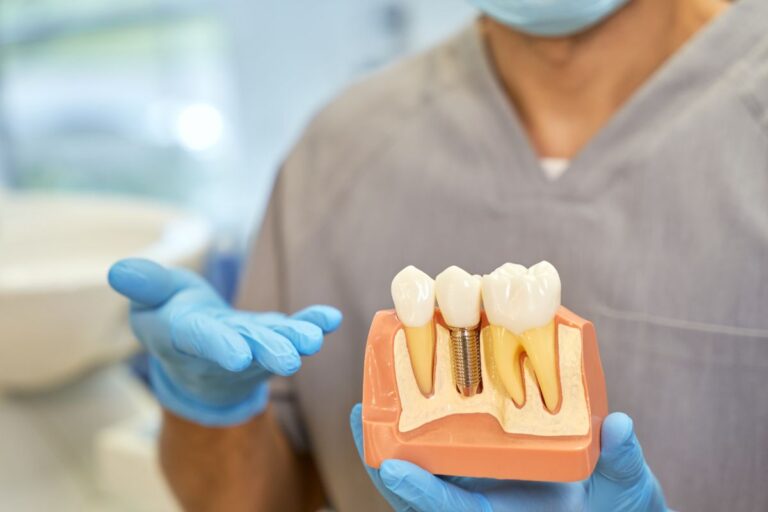
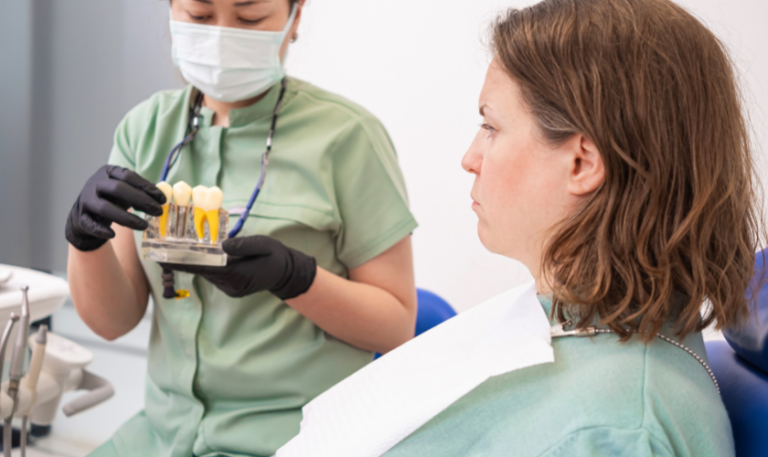
The first step is a consultation with your dental professional. They will assess your oral health and determine if you are a good candidate for this treatment . Smokers may require additional screening for gum disease or bone density issues.
Surgical Placement
During the surgery, the dental restoration is carefully placed into the jawbone, and if you’re a smoker, it’s especially important to be mindful and avoid smoking during the early healing phase to promote the best results.
Recovery and Healing
Recovery time might take a bit longer for smokers. However, don’t worry—just make sure to follow all the aftercare instructions carefully after your surgery. This will help you achieve the best possible results and support a smooth healing process.
Final Restoration
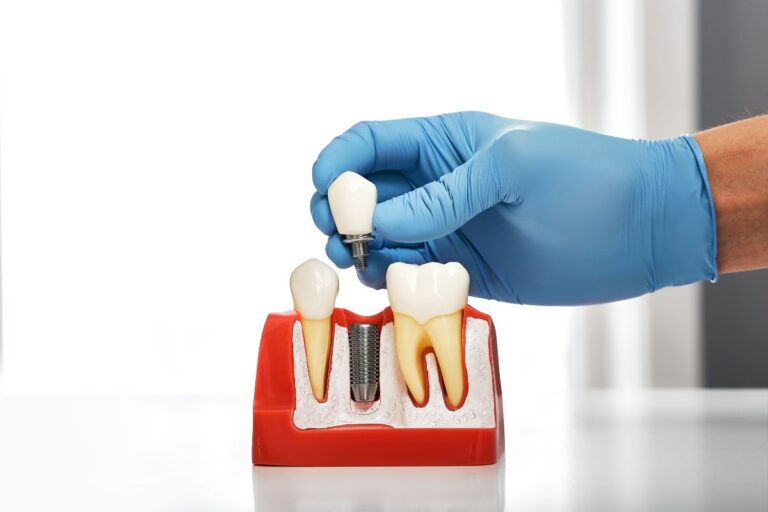
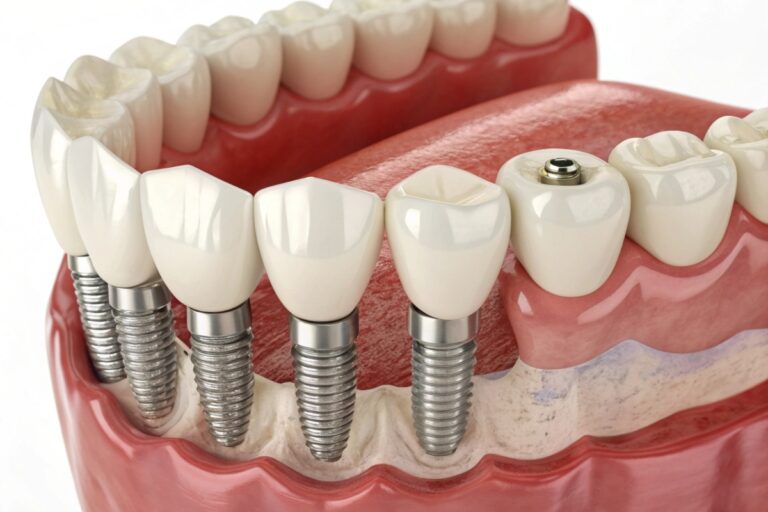
Once the fixture bonds securely with the bone, a crown or other restoration is added on top, bringing the dental restoration process to completion.
Smoking can delay or prevent the success of prosthetic teeth. However, with proper precautions, a smoker may still enjoy a successful treatment.
Ready to Take the Next Step in San Antonio
Your smile goals should not feel out of reach. Even if you smoke, you still have options for restoring your teeth with confidence.
At Westlakes Family Dental, we take the time to understand your needs and provide honest, personalized care. Visit our dental office in San Antonio to explore your options and take a step toward a stronger, healthier smile that lasts.
FAQs About Implants for Smokers
1. Can smoking prevent dental restoration from healing properly?
Yes, smoking restricts blood flow, which slows the healing process and can interfere with osseointegration, leading to a higher risk of treatment failure.
2. Is it necessary to quit smoking before getting a dental restoration?
While it is not mandatory, quitting smoking before and after surgery significantly improves the chances of a successful treatment. It helps promote faster healing and reduces complications.
3. How long should you avoid smoking after getting a dental restoration?
It’s recommended to avoid smoking for at least 2 to 3 weeks following the procedure to allow proper healing. The longer you can abstain, the better the outcome.
4. Can smokers get prosthetic teeth if they have gum disease?
Smokers with gum disease may need to address this condition before getting treatment. Gum disease can hinder the healing process and increase the risk of complications.
5. What is the success rate of prosthetic teeth for smokers?
While smokers can still get dental restoration, the success rate tends to be lower than for non-smokers due to the impact smoking has on healing and oral health.
6. Are there alternatives to dental implants for smokers?
If dental restorations are not an option, alternatives like dentures or bridges may be considered. A consultation with your dentist can help determine the best solution for your needs.