Smart Dental Crown Care for Long-Term Smile Protection
Getting a dental crown is a big step toward restoring your smile and confidence. Crowns protect damaged teeth, improve appearance, and help you chew comfortably again. But the real success of a crown depends on how well you care for it after treatment.
The good news is that caring for a crown does not require complicated routines. With the right habits and a little attention, your crown can stay strong and natural-looking for many years. Let us walk you through everything you need to know in a clear, stress-free way.
Understanding What Dental Crowns Do
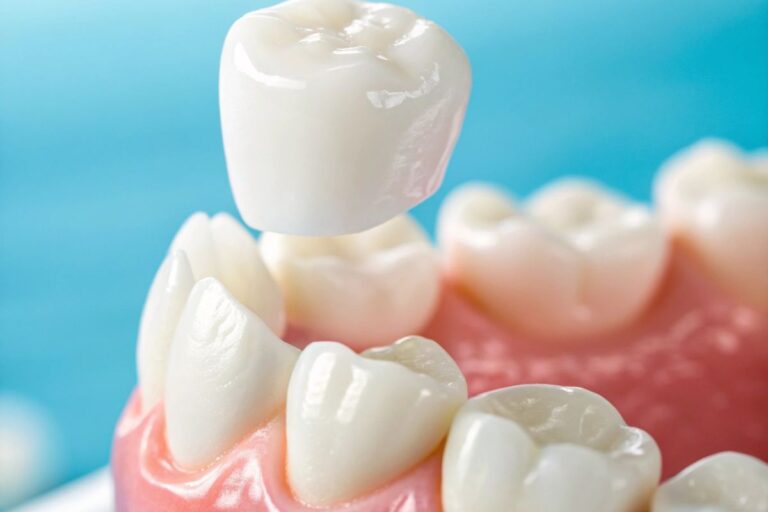
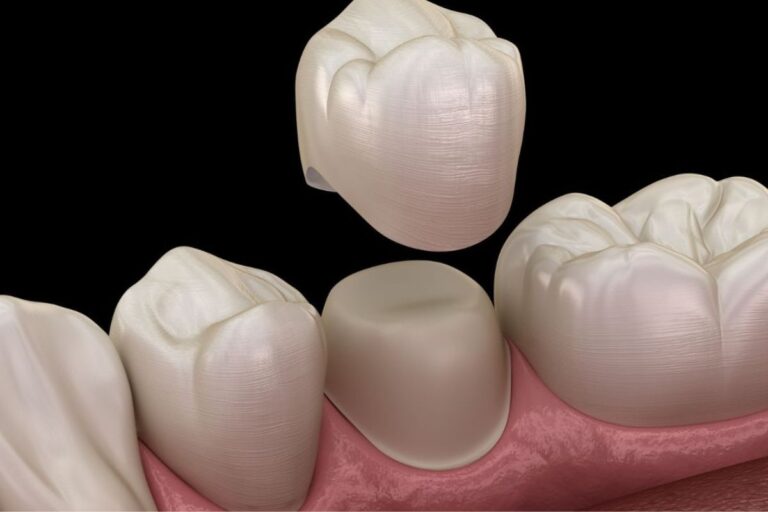
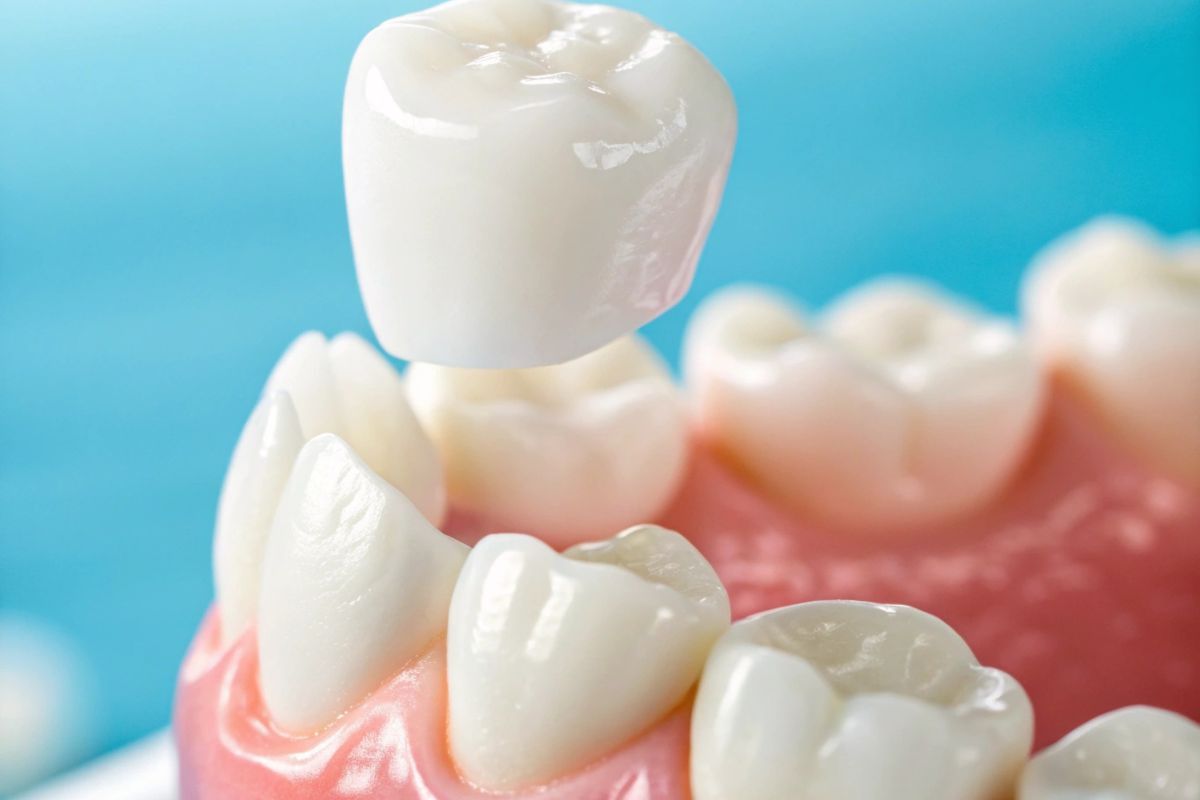
A dental crown is a custom-made cap placed over a tooth to restore its shape, strength, and function. Crowns are commonly used after large fillings, root canal treatment, or to protect weakened teeth.
Crowns are designed to look and feel like natural teeth. While they are strong, they still rely on healthy gums and good oral hygiene to last long term. Think of your crown as a protective shield that still needs daily care.
Start With Strong Daily Oral Hygiene Habits
Great crown care begins with the basics. Brushing and flossing every day helps prevent plaque buildup around the crown and along the gumline.
Brush your teeth twice a day using a soft-bristle toothbrush. Gentle pressure works best and helps protect both your crown and surrounding teeth. Use fluoride toothpaste to strengthen natural enamel and support overall oral health.
Floss once a day, paying close attention to the area where the crown meets the gum. This step is important because plaque can still accumulate on the natural tooth beneath the crown if the crown is left in place.
Be Mindful of What You Eat
Your crown is strong, but smart food choices can help extend its life. Avoid biting down on very hard foods like ice, hard candy, or popcorn kernels. These can place unnecessary stress on the crown.
Sticky foods can also be challenging, especially soon after placement. Chewing carefully and evenly on both sides of your mouth can reduce pressure on any single tooth.
A balanced diet supports your gums and surrounding teeth. Healthy gums help hold crowns securely in place and keep your smile looking its best.
Protect Your Crown From Grinding and Clenching
Teeth grinding and clenching, often during sleep, can wear down crowns over time. If you wake up with jaw soreness or a headache, it could be a sign of grinding.
A custom night guard can protect your crown and your natural teeth while you sleep. It acts as a cushion, reducing pressure during clenching.
If you are unsure whether grinding is affecting your smile, your dentist can help identify early signs and recommend solutions.
Pay Attention to Small Changes
Your crown should feel comfortable and natural. If you notice sensitivity, discomfort, or changes in how your teeth fit together, do not ignore them.
Small issues can often be corrected quickly when caught early. Waiting too long may lead to more complicated problems. Listening to your body is a simple yet powerful way to protect your dental investment.
Right in the middle of your crown care journey, it is important to remember that Dental Crowns work best when paired with ongoing professional care and daily attention at home.
Do Not Skip Regular Dental Checkups
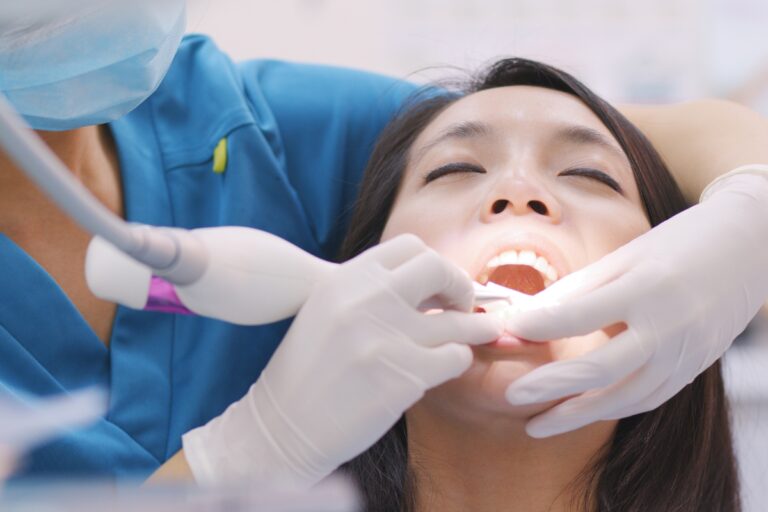
Routine dental visits play a key role in keeping your crown healthy. During checkups, your dentist checks the crown’s fit, monitors your gums, and looks for signs of wear or decay.
Professional cleanings remove plaque from hard-to-reach areas at home. These visits also give you a chance to ask questions and adjust your care routine if needed.
Staying consistent with dental appointments helps extend the life of your crown and keeps your entire smile on track.
Avoid Using Teeth as Tools
It may seem harmless, but using your teeth to open packages or bite objects can damage crowns. Crowns are made for chewing food, not acting as tools.
Protecting your crown means being mindful of daily habits. Small changes can make a big difference over time.
Ready to Protect Your Smile for the Long Term?
Dental crowns are built to restore strength, comfort, and confidence. With simple daily habits and routine dental care, they can support your smile for many years. At Westlakes Family Dental, patients’ long-term oral health always comes first. If you have questions about your crown or want proper care, the dedicated dental team is here to help.
Take the next step toward protecting your smile. Visit our dental office in San Antonio today and keep your dental crown working beautifully for years to come.
FAQs About Care for Dental Crowns
How long do dental crowns usually last?
Dental crowns can last many years with proper care. Daily hygiene, healthy habits, and regular dental visits all play a role in longevity. Every patient is different, so results vary.
Can a crowned tooth still get cavities?
Yes, the natural tooth under the crown can still develop decay. This often happens near the gumline if plaque builds up. Brushing and flossing daily helps prevent this issue.
Is it normal to feel sensitivity after getting a crown?
Mild sensitivity can happen at first, especially to hot or cold foods. This usually improves within a few weeks. If sensitivity lasts longer, contact your dentist for an evaluation.
Can I whiten my teeth if I have a crown?
Crowns do not change color with whitening treatments. Whitening can brighten natural teeth, but the crown will stay the same shade. Your dentist can help you plan cosmetic care.
Should I floss around a crown?
Yes, flossing is very important. It helps keep gums healthy and prevents decay at the edge of the crown. Be gentle and floss daily.
What should I do if my crown feels loose?
A loose crown should be checked as soon as possible. Avoid chewing on that side and contact your dental office. Prompt care helps prevent further damage.