How Long to Wait Before Brushing Your Teeth After Eating
Brushing your teeth is a fundamental part of oral hygiene, but timing can make a big difference in protecting your enamel. Brushing too soon after eating, especially acidic foods, can weaken enamel and increase the risk of erosion. On the other hand, waiting too long may allow plaque and bacteria to accumulate. Understanding the best practices for brushing after meals is essential for maintaining a healthy, strong smile year-round.
Why Timing Matters When Brushing After Eating
When you eat, the foods and drinks you consume can temporarily soften your tooth enamel. Acidic foods, sugary treats, and beverages like soda can create an environment that makes enamel more vulnerable to abrasion. Brushing immediately after a meal can worsen this effect, leading to enamel wear over time. Waiting allows your saliva to neutralize acids and start the remineralization process naturally. By giving your mouth time to recover, you help maintain stronger teeth and reduce sensitivity. Consulting an experienced dentist can provide personalized guidance on timing and technique, especially for patients with sensitive teeth or existing enamel concerns.
Ideal Waiting Time Before Brushing
Dental experts generally recommend waiting about 30 to 60 minutes after eating before brushing your teeth. This timeframe allows acids from food and drinks to be neutralized and the enamel to harden again. Brushing too soon, especially after citrus fruits, tomatoes, or soda, can accelerate enamel erosion. During this waiting period, rinsing your mouth with water or chewing sugar-free gum can help remove food particles and stimulate saliva production, both of which help protect your teeth. By following this simple guideline, you can maintain optimal oral health without compromising your enamel.
Foods That Require Extra Caution
Certain foods and beverages increase the risk of enamel softening and should be consumed carefully:
- Citrus fruits: Oranges, lemons, and grapefruits are highly acidic.
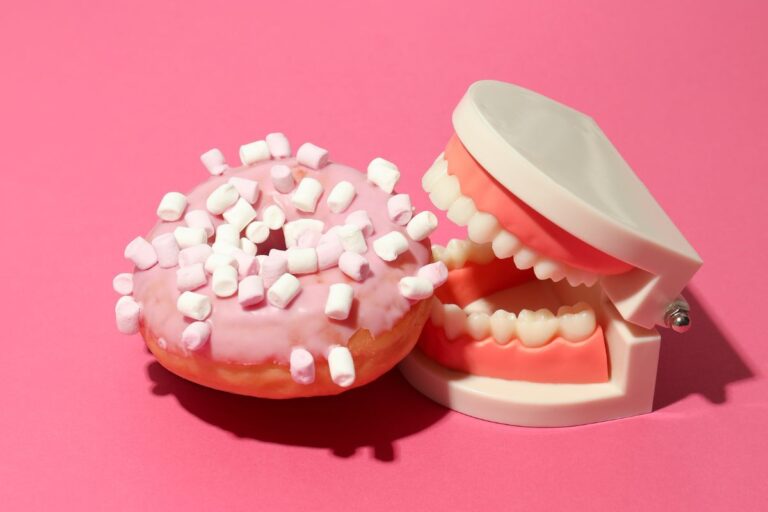
- Soda and soft drinks: Carbonation and sugar can erode enamel quickly.
- Wine and fruit juices: High acid content can weaken teeth.
- Sticky or sugary candies: Can cling to teeth and promote bacterial growth.
- Tomato-based sauces: Acidic sauces may temporarily soften enamel.
Being mindful of these foods and rinsing your mouth afterward can reduce enamel damage.
Tips for Oral Care Between Meals
Rinse Your Mouth with Water
Swishing water after meals helps wash away leftover food particles and acids, lowering the risk of enamel erosion and cavity formation. It’s a simple habit that supports oral health even when you can’t brush immediately.
Chew Sugar-Free Gum
Chewing sugar-free gum stimulates saliva production, which naturally neutralizes acids and helps remineralize enamel. This is especially useful after consuming acidic or sugary foods when brushing isn’t possible right away.
Common Myths About Brushing After Eating
- Myth: You should brush immediately after every meal.
Fact: Waiting 30–60 minutes is safer for enamel. - Myth: Drinking water replaces brushing.
Fact: Water helps, but it doesn’t remove plaque as brushing does. - Myth: Only sugary foods damage teeth.
Fact: Acidic foods and beverages can erode enamel even without sugar. - Myth: Brushing later doesn’t matter.
Fact: Waiting is important, but regular brushing and flossing are still essential.
Understanding these myths ensures you maintain a healthy brushing routine without harming your enamel.
When to Consult Your Dentist
If you experience persistent tooth sensitivity, visible enamel wear, or discomfort after meals, it’s important to consult a professional. A dentist can assess your enamel, recommend treatments like fluoride applications or desensitizing toothpaste, and provide guidance on oral hygiene techniques. Regular checkups are essential for detecting early signs of enamel erosion and preventing long-term damage.
Timing your brushing routine after meals is crucial for protecting enamel and maintaining a healthy smile. Following the 30–60 minute guideline, rinsing with water, and being mindful of acidic foods can make a significant difference. For personalized advice and professional care, schedule an appointment with Westlakes Family Dental in San Antonio, TX, to ensure your teeth stay strong and healthy year-round.
FAQs About Brushing After Eating
- How long should I wait to brush after eating?
Wait about 30–60 minutes to protect enamel. - Does it matter what I ate before brushing?
Yes, acidic and sugary foods require longer waiting times. - Can brushing immediately after a meal harm my teeth?
Yes, it can weaken enamel and increase erosion. - Is rinsing with water enough if I can’t brush?
It helps reduce acids and food particles but doesn’t replace brushing. - Can chewing gum after eating protect my teeth?
Yes, sugar-free gum stimulates saliva and helps neutralize acids. - Should I brush more often if I eat acidic foods?
No, wait, the recommended time, then brush gently. - When should I see a dentist about enamel issues?
If you notice sensitivity, wear, or discoloration, consult your dentist promptly.