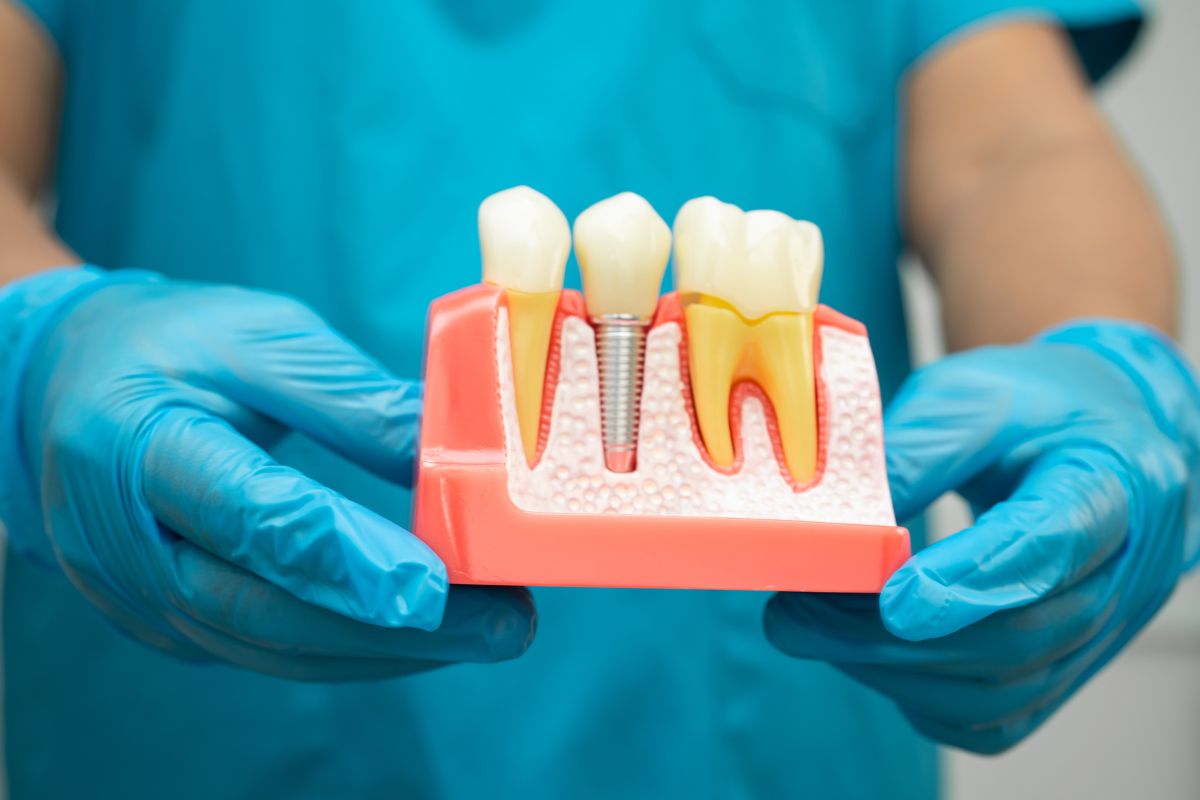
Easy Ways to Prevent Infection Around Dental Implants
Dental implants are designed to be a long-lasting solution for missing teeth. They look natural, feel secure, and help restore confidence. However, just like natural teeth, implants need proper care. Without the right habits, bacteria can build up, leading to infection around the implant.
The good news is that preventing implant infections is easier than many people think. With a few smart daily practices and regular professional care, you can protect your smile and enjoy your implant for years to come.
Why Infection Around Dental Implants Happens
Infections around dental implants usually occur when bacteria settle in the gum tissue surrounding the implant. This condition is often linked to plaque buildup, poor oral hygiene, or untreated gum issues.
Smoking, uncontrolled health conditions, and skipping dental visits can also raise the risk. In some cases, infection develops when post-treatment care instructions are not followed closely.
Understanding why infections happen is the first step toward preventing them. A clean mouth and healthy gums create a strong foundation for implant success.
Watch for Early Warning Signs
Knowing the warning signs of infection early helps you take quick action and avoid bigger problems.
- Redness or swelling in the gums near the implant
- Bleeding while brushing or flossing around the implant area
- Ongoing bad breath that does not improve with regular cleaning
- A bad or metallic taste in the mouth
- Discomfort or tenderness near the implant
- Mild sensitivity or pain when chewing food
- Gums that feel sore or irritated for several days
These symptoms should never be ignored. Professional dental care can often save the implant and restore gum health.
Daily Care Habits to Keep Dental Implants Healthy
Daily care habits that support implant health include:
- Brush your teeth at least twice a day using a soft-bristle toothbrush
- Clean gently around the implant to remove plaque without irritating the gums
- Floss daily to clear food particles and bacteria between teeth and implants
- Use interdental brushes or water flossers for hard-to-reach areas
- Rinse with a dentist-recommended mouthwash to support gum health
- Avoid using teeth to open packages or bite hard objects
- Limit sugary snacks and drinks that encourage bacterial growth
- Drink plenty of water to keep your mouth clean and hydrated
Consistent daily care helps maintain healthy gums and supports the long-term success of your dental implants.
Follow Post-Treatment Instructions Carefully
After implant placement, your dentist provides specific instructions for healing. These guidelines are designed to protect the implant while the bone and gums recover. Avoid touching the implant area with your tongue or fingers. Stick to recommended foods and take prescribed medications exactly as directed.
Skipping these steps can slow healing and invite bacteria. Healing time is an investment in your future smile. Giving your mouth the care it needs during this phase sets the tone for long-term success.
Maintain Healthy Gums for Long-Term Success
Healthy gums are the true support system for dental implants. When gums stay firm and free of inflammation, implants remain stable and comfortable. Regular brushing along the gumline helps prevent plaque buildup.
Managing stress, staying hydrated, and eating nutrient-rich foods also support gum health. Gums that feel healthy usually look healthy. Pink, firm gums are a sign that your implant is getting the support it needs.
Professional Care for Implant Health
Home care plays an important role, but professional care completes your implant maintenance routine. Regular dental visits help ensure your implant and surrounding tissues stay healthy over time.
Routine Dental Checkups
Routine dental checkups allow your dentist to closely monitor the condition of your dental implant. During these visits, the gums around the implant are examined for signs of irritation, swelling, or infection. Your dentist also checks the stability of the implant to make sure it remains secure. Regular checkups help catch small issues early, before they turn into more serious concerns.
Professional Cleanings
Professional cleanings remove plaque and tartar that daily brushing and flossing cannot fully eliminate. These cleanings are especially important around dental implants, where bacteria can easily build up along the gumline.
Dental cleanings also help keep the gums firm and healthy, reducing the risk of infection and supporting the long-term success of your implant.
Schedule Your Appointment Today
Protecting your dental implants from infection is essential for long-term success and comfort. At Westlakes Family Dental in San Antonio, our experienced dental team is dedicated to guiding you through proper care and maintenance to ensure your implants remain healthy and functional.
If you are experiencing infection or discomfort around your dental implants or want to ensure their longevity, contact us today. We are here to help you maintain a healthy, infection-free smile.
FAQs About Dental Implant Care
Can dental implants get infected years later?
Yes, infections can develop even years after placement. Poor oral hygiene or untreated gum disease often plays a role. Regular checkups help catch issues early.
How long does it take for an implant infection to develop?
It can vary from weeks to years. Infections usually start slowly with mild symptoms. Early attention prevents serious complications.
Is brushing different for dental implants?
The technique is similar, but extra care around the gumline is important. Soft brushes and gentle pressure protect the gums while cleaning effectively.
Can smoking increase the risk of implant infection?
Yes, smoking affects healing and reduces blood flow to the gums. This makes it easier for bacteria to cause infection around implants.
Are dental implants harder to care for than natural teeth?
Not really. Implants need the same daily care as natural teeth. Consistency is the key to keeping them healthy.
What happens if an implant infection is ignored?
Ignoring symptoms can lead to bone loss and implant failure. Early treatment helps protect the implant and surrounding tissues.
How often should implant patients visit the dentist?
Most patients should visit every six months. Some may need more frequent visits based on their oral health needs.