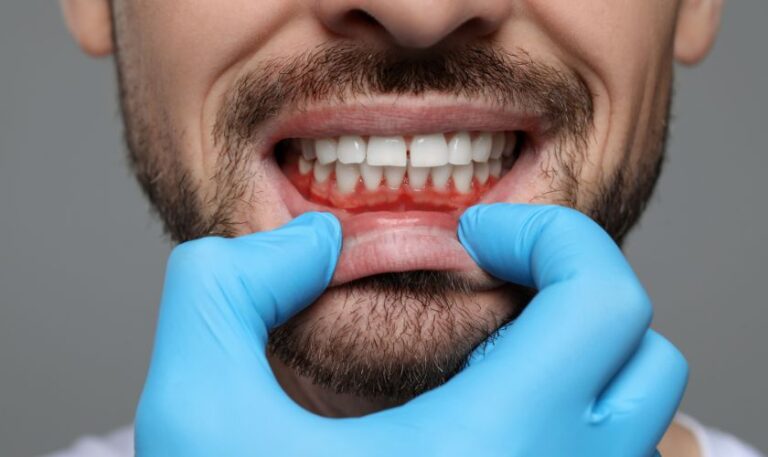
Stop the Bleed: How to Prevent Gum Disease Before It Starts
Gum disease is more common than most people realize, and many early signs often go unnoticed. Bleeding gums while brushing, persistent bad breath, swollen gum tissues, or gum tenderness may indicate the beginning of gingivitis. If left untreated, it can progress into periodontitis, which affects the bone supporting your teeth. Understanding gum disease symptoms and causes helps you recognize when your gum health may be at risk. By focusing on prevention and taking consistent steps toward a healthy gum routine, you can support strong teeth and long-lasting oral wellness.
Improve Your Oral Hygiene Routine
A strong oral hygiene routine is the foundation of keeping your gums healthy. Consistency matters more than intensity, so gentle care every day is key.
Use Fluoride Toothpaste
Fluoride strengthens tooth enamel and helps protect against decay. When your enamel is strong, your gum line benefits too. Make sure to brush twice a day using fluoride toothpaste to support healthier mouth conditions that discourage bacterial growth.
Rinse With Saltwater or Antiseptic Mouthwash
A warm saltwater rinse reduces inflammation and kills harmful bacteria. For an extra layer of protection, alternate with an antiseptic mouthwash. This helps clean deep areas around the gums that brushing may not reach.
Brush with a Soft-Bristled Toothbrush
Stiff bristles can wear down gums and enamel over time. A soft-bristled toothbrush cleans effectively while protecting delicate tissues. Use slow, circular motions along the gum line to keep it clean without irritation. Regular brushing like this supports your efforts to naturally and safely prevent gum disease.
Apply a Cold Compress
If your gums are swollen or tender, a cold compress can reduce inflammation and provide soothing relief. This is especially helpful if you notice early signs of gum sensitivity.
Avoid Smoking & Tobacco Products
Smoking weakens the immune system and reduces your mouth’s natural ability to heal. Tobacco products restrict blood flow to the gums, making them more vulnerable to infections. Quitting or reducing tobacco use is one of the most effective ways to protect gum health.
Improve Your Diet
Nutrition plays an important role in maintaining gum strength.
Reduce Sugar & Processed Foods
Bacteria in your mouth feed on sugars. The more sugar you consume, the more acids are produced, which weaken the gum line. Replace sugary snacks with whole foods such as fruits, nuts, and whole grains.
Stay Hydrated
Water helps wash away food particles and bacteria throughout the day. Drinking plenty of water also keeps your gums moist and improves saliva production, which naturally protects your teeth.
Floss Gently & Daily
Flossing removes plaque and food between teeth where toothbrushes cannot reach. Daily flossing reduces buildup that contributes to inflammation and supports long-term gum stability.
Use a Tongue Scraper to Remove Bacteria
The tongue holds a significant amount of bacteria. By scraping your tongue once daily, you help reduce bad breath and improve overall oral cleanliness.
Professional Gum Treatment Options
If gum disease has progressed, professional periodontal therapy may be recommended. Deep cleanings remove hardened plaque below the gumline and smooth the tooth roots to promote healing. In more advanced cases, additional periodontal treatments may be necessary to restore gum and bone health.
Routine cleanings remain the most effective preventive measure. Staying proactive with your dental visits significantly lowers your risk of complications.
Healthy Gums Begin with the Right Care
Healthy gums are within reach when you combine consistent at-home care, smart lifestyle choices, and professional dental support. By protecting your gum line with strong daily habits and scheduling regular cleanings, you can maintain long-term oral health and significantly reduce your risk of gum disease. Taking action early not only prevents discomfort but also helps preserve a brighter, healthier smile for years to come. At Westlakes Family Dental in San Antonio, our dedicated team is committed to helping you achieve and maintain optimal gum health. We offer comprehensive preventive services, thorough gum evaluations, and personalized treatment plans tailored to support your long-term oral wellness.
Whether you’re noticing early symptoms or simply due for a routine cleaning, our caring team is ready to assist you. Contact our San Antonio office today and take the first step toward stronger gums and a more confident smile!
FAQs: Benefits of Gum Disease Prevention
1. Can early gum disease be reversed?
Yes, gingivitis, the earliest stage of gum disease, can typically be reversed with improved oral hygiene and professional cleanings. When plaque buildup is removed and inflammation is addressed early, gum tissue can return to a healthy state. Consistent brushing, flossing, and routine dental visits are key.
2. Why do my gums bleed when I brush?
Bleeding gums are often a sign of plaque accumulation along the gumline. This buildup causes inflammation, making gum tissue more sensitive. With proper brushing and flossing techniques, inflammation can decrease, and bleeding should improve within a few weeks.
3. How often should I floss to prevent gum disease?
Flossing once daily is recommended to remove plaque between teeth. Regular flossing prevents bacteria from hardening into tartar and reduces the risk of inflammation. Gentle, consistent flossing is more effective than aggressive or occasional flossing.
4. Does diet really impact gum health?
Absolutely. Sugary and processed foods feed bacteria that produce harmful acids. A balanced diet rich in vitamins and minerals strengthens gum tissue and supports your immune system, helping your body fight infections more effectively.
5. Is bad breath always a sign of gum disease?
Not always, but persistent bad breath can indicate bacterial buildup below the gumline. If brushing and mouthwash do not resolve the issue, it’s important to schedule a dental exam to rule out gum infection or other concerns.
6. How often should I see a dentist for gum care?
Most patients should visit the dentist every six months for routine cleanings and exams. However, individuals with a history of gum disease may need more frequent visits to maintain optimal gum health.
7. What happens if gum disease is left untreated?
If untreated, gum disease can progress to periodontitis, leading to gum recession, bone loss, and even tooth loss. Advanced stages may also impact overall health. Early intervention significantly reduces the risk of serious complications.