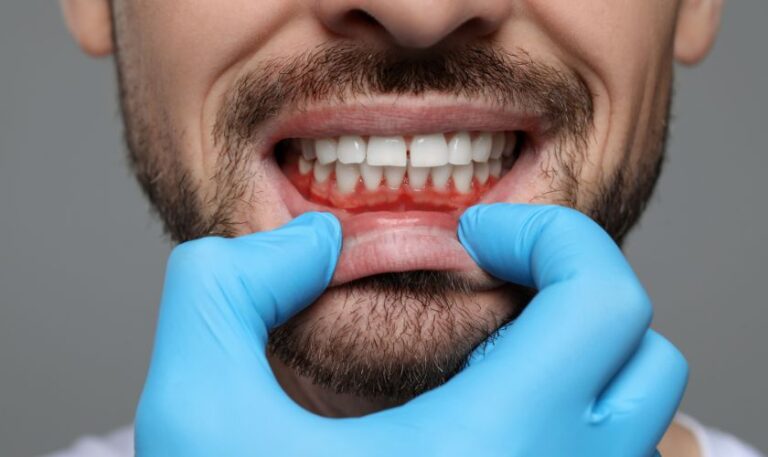
How to Prevent Gingivitis: Expert Advice from a San Antonio Dentist
Gingivitis is a common and mild form of gum disease that causes irritation, redness, and swelling of the gums. If left untreated, gingivitis can lead to more severe periodontal disease, which can result in tooth loss. The good news is that gingivitis is preventable with proper oral hygiene and lifestyle habits. In this blog, we’ll explore effective strategies to keep your gums healthy and prevent gingivitis, as advised by a trusted dentist in San Antonio.
Understanding Gingivitis
Gingivitis is a mild but common form of gum disease that causes redness, swelling, tenderness, and bleeding of the gums. It develops when plaque, a sticky film of bacteria, accumulates on teeth and along the gumline.
If untreated, gingivitis can progress to periodontitis, a more serious condition that may lead to gum recession, bone loss, and even tooth loss. Fortunately, gingivitis is reversible with early intervention and consistent oral care.
Symptoms of Gingivitis
Some common symptoms of gingivitis include:
- Red, swollen gums
- Bleeding gums, especially when brushing or flossing
- Bad breath
- Tender gums
- Receding gums
It’s important to note that gingivitis can progress without significant discomfort, so regular dental check-ups are essential for early detection and treatment.
Daily Habits to Prevent Gingivitis
1. Brush Thoroughly Twice a Day
Brush your teeth for at least two minutes, twice daily, using a soft-bristled toothbrush and fluoride toothpaste. Pay close attention to the gumline, where plaque tends to accumulate.
2. Floss Every Day
Flossing removes plaque and food debris from between teeth and under the gum areas your toothbrush cannot reach. Daily flossing significantly reduces your risk of gum inflammation.
3. Use an Antimicrobial Mouthwash
An antimicrobial or antiseptic mouthwash can help reduce bacteria and control plaque buildup. Look for dentist-recommended formulas that support gum health.
The Importance of Oral Hygiene
The foundation of preventing gingivitis is maintaining excellent oral hygiene. Consistent care helps remove plaque before it hardens into tartar, which can irritate the gums.
1. Brush Twice a Day
Brushing your teeth at least twice a day is crucial for removing plaque and preventing gum disease. Use a soft-bristled toothbrush and fluoride toothpaste. Make sure to brush for at least two minutes, covering all surfaces of your teeth and paying special attention to the gum line, where plaque tends to accumulate.
2. Floss Daily
Flossing is just as important as brushing, as it removes plaque and food particles from between your teeth and under the gumline. By flossing daily, you can prevent plaque buildup in areas your toothbrush cannot reach, reducing the risk of gingivitis.
3. Use Mouthwash
An antimicrobial mouthwash can help reduce bacteria in your mouth, leading to fresher breath and reduced plaque. Look for mouthwashes with ingredients like chlorhexidine, which are effective in fighting gingivitis.
Regular Dental Check-Ups
Consulting your trusted dentist regularly is essential for preventing gingivitis and maintaining overall oral health. Your dentist can detect early signs of gum disease and provide professional cleanings to remove tartar that brushing and flossing alone cannot.
1. Schedule Biannual Cleanings
Professional dental cleanings are recommended at least twice a year. During these cleanings, your dentist or dental hygienist will remove plaque and tartar buildup, polish your teeth, and check for any signs of gum disease. Regular cleanings help prevent the progression of gingivitis and maintain healthy gums.
2. Discuss Your Oral Health Concerns
If you experience symptoms of gingivitis, such as bleeding gums or persistent bad breath, don’t hesitate to discuss them with your dentist. Early intervention is key to preventing gingivitis from progressing to more severe periodontal disease.
Healthy Eating Habits
Your diet plays a significant role in maintaining oral health and preventing gingivitis. Eating a balanced diet that is rich in vitamins and minerals can strengthen your immune system and promote healthy gums.
1. Limit Sugary and Acidic Foods
Foods high in sugar and acid can contribute to plaque buildup and enamel erosion, increasing the risk of gingivitis. Limit your intake of sugary snacks, sodas, and acidic foods, and opt for healthier alternatives like fruits, vegetables, and whole grains.
2. Eat Foods Rich in Vitamin C
Vitamin C is essential for maintaining healthy gums. It helps repair damaged tissues and supports your immune system in fighting off infections. Incorporate foods like oranges, strawberries, bell peppers, and broccoli into your diet to boost your vitamin C intake.
3. Stay Hydrated
Drinking plenty of water helps wash away food particles and bacteria from your mouth, reducing the risk of plaque buildup. Water also stimulates saliva production, which naturally cleanses your mouth and neutralizes acids that can harm your teeth and gums.
Avoid Tobacco Products
Smoking and the use of other tobacco products are major risk factors for gingivitis and more severe periodontal diseases. Tobacco weakens your immune system, making it harder for your body to fight infections such as gingivitis.
1. Quit Smoking
If you smoke, quitting is one of the best things you can do for your oral health. Smoking not only increases your risk of gum disease but also stains your teeth, causes bad breath, and impairs your sense of taste.
2. Avoid Chewing Tobacco
Chewing tobacco is also harmful to your gums and can lead to gingivitis, as well as oral cancer. Avoiding all forms of tobacco will significantly reduce your risk of gum disease and improve your overall health.
Manage Stress to Support Oral Health
Stress impacts more than your mental health. It can weaken your immune system and increase inflammation in the body, including your gums. Chronic stress may also lead to teeth grinding, which can irritate gum tissue.
Incorporating stress-reduction techniques like exercise, meditation, or adequate sleep can positively affect both your overall and oral health.
Take Control of Your Gum Health
Preventing gingivitis is within your control with the right habits and lifestyle choices. By maintaining a consistent oral hygiene routine, visiting your dentist regularly, eating a balanced diet, avoiding tobacco, and managing stress, you can keep your gums healthy and free from disease.
At Westlakes Family Dental in San Antonio, we are dedicated to helping you achieve and maintain excellent oral health. If you have concerns about gingivitis or need guidance on improving your oral hygiene, don’t wait until it becomes a serious problem. Contact our dental office in San Antonio today to schedule your comprehensive dental exam and professional cleaning.
FAQs About Gingivitis
1. Can gingivitis go away on its own?
No, gingivitis typically does not resolve without proper care. Improving your oral hygiene routine and scheduling a professional cleaning can reverse early-stage gum disease. Prompt action prevents progression to more serious conditions.
2. How long does it take to reverse gingivitis?
With improved brushing, flossing, and professional treatment, mild gingivitis can resolve within 1 to 2 weeks. Consistency is key to healing inflamed gum tissue and preventing recurrence.
3. Are bleeding gums always a sign of gingivitis?
Bleeding gums are one of the most common signs of gingivitis, especially during brushing or flossing. However, other factors, like aggressive brushing, can also cause bleeding. A dental exam can determine the exact cause.
4. Can children develop gingivitis?
Yes, gingivitis can affect children and teenagers, particularly if oral hygiene habits are inconsistent. Teaching proper brushing and flossing techniques early helps protect their developing smiles.
5. Does mouthwash cure gingivitis?
Mouthwash can help reduce bacteria, but it is not a standalone cure. It should be used alongside brushing, flossing, and professional cleanings for effective prevention and treatment.
6. How often should I see the dentist to prevent gum disease?
Most patients should visit the dentist every six months for preventive care. Individuals with a history of gum disease may require more frequent visits based on their dentist’s recommendation.
7. What happens if gingivitis is left untreated?
If untreated, gingivitis can progress to periodontitis, which may lead to gum recession, bone loss, and tooth loss. Early treatment is much simpler and more effective than addressing advanced disease.