How to Prevent Gum Disease and Keep Your Gums Healthy
Gum disease, also called periodontal disease, affects millions of people and can quietly damage your oral health if you ignore it. From mild gum irritation to severe infection that leads to tooth loss, this condition can impact your smile and overall well-being. The good news? You can prevent gum disease with the right habits and regular dental care.
This guide walks you through everything you need to know to keep your gums healthy.
Understanding Gum Disease
Gum disease is primarily caused by the buildup of plaque, a sticky film of bacteria that forms on teeth. If not removed, plaque can harden into tartar, which can only be removed by a dental professional. The two main stages of gum disease are gingivitis and periodontitis.
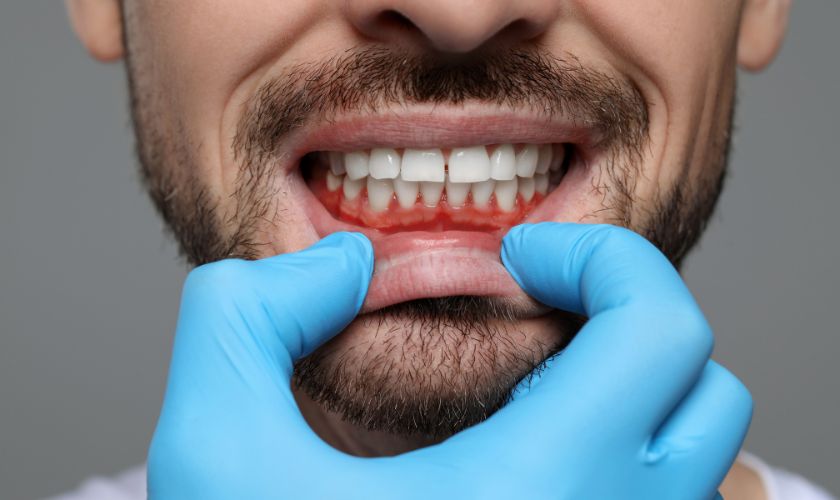
- Gingivitis: This is the early stage of gum disease, characterized by red, swollen gums that may bleed easily. It’s reversible with good oral hygiene.
- Periodontitis: If left untreated, gingivitis can progress to periodontitis, a more severe form of gum disease. This stage can lead to the destruction of the gums, bone, and tissues supporting the teeth, potentially resulting in tooth loss.
If you notice bleeding gums, bad breath, or sensitivity, don’t wait — consult an experienced dentist to prevent further damage.
Common Signs of Gum Disease
Many people overlook early symptoms, assuming they are minor issues. Watch for these warning signs:
- Red or swollen gums
- Bleeding while brushing or flossing
- Persistent bad breath
- Receding gums
- Loose or shifting teeth
Early detection makes treatment easier and more effective.
Tips for Preventing Gum Disease
Preventing gum disease involves a combination of good oral hygiene practices, regular dental visits, and healthy lifestyle choices. Here are some essential tips:
1. Brush Your Teeth Twice a Day
Brushing your teeth at least twice a day is fundamental in preventing gum disease. Use a soft-bristled toothbrush and fluoride toothpaste to gently clean your teeth and gums. Remember to replace your toothbrush every three to four months or sooner if the bristles are frayed.
2. Floss Daily
Flossing removes plaque and food particles from between your teeth and under the gumline, areas that your toothbrush can’t reach. Daily flossing is essential in preventing gum disease and maintaining overall oral health.
3. Use Mouthwash
An antimicrobial mouthwash can help reduce plaque and prevent gum disease. Look for a mouthwash that contains chlorhexidine or essential oils, which are effective in controlling plaque and gingivitis.
4. Maintain a Healthy Diet
A balanced diet rich in vitamins and minerals supports gum health. Foods high in vitamin C (such as oranges, strawberries, and bell peppers) and vitamin D (such as salmon, fortified milk, and egg yolks) are particularly beneficial for your gums. Avoid sugary snacks and drinks, which can contribute to plaque buildup.
5. Avoid Tobacco Products
Smoking and using other tobacco products significantly increase your risk of gum disease. According to the CDC, smokers are twice as likely to develop gum disease compared to non-smokers. Quitting tobacco can improve your gum health and overall well-being.
6. Regular Dental Checkups
Visit your dentist at least twice a year for professional cleanings and checkups. Regular dental visits allow your dentist to detect early signs of gum disease and provide appropriate treatment. Professional cleanings remove plaque and tartar that brushing and flossing miss.
Advanced Preventive Measures
For those at higher risk of gum disease, such as individuals with diabetes or a family history of periodontal disease, additional preventive measures may be necessary.
1. Dental Sealants
Dental sealants are thin, protective coatings applied to the chewing surfaces of the back teeth. They help prevent decay and plaque buildup, reducing the risk of gum disease.
2. Antibacterial Treatments
Your dentist may recommend antibacterial treatments, such as antibiotic mouth rinses or gels, to help control bacterial growth and prevent gum disease.
3. Scaling and Root Planing
For patients with early signs of gum disease, scaling and root planing may be recommended. This deep-cleaning procedure removes plaque and tartar from above and below the gumline and smooths the root surfaces to promote healing.
The Role of Hydration
Staying well-hydrated is often overlooked but crucial in preventing gum disease. Drinking plenty of water helps wash away food particles and bacteria, keeps your mouth moist, and supports saliva production. Saliva is essential for neutralizing acids produced by bacteria and for maintaining a healthy oral environment.
Managing Stress
Chronic stress can weaken your immune system, making it harder for your body to fight off infections, including gum disease. Practice stress-reducing techniques such as exercise, meditation, and adequate sleep to support your overall health and well-being.
Stay Informed and Take Action
Understanding gum disease empowers you to prevent it. Small daily habits make a big difference over time. If something feels off, don’t ignore it.
Remember, early detection and intervention are key to preventing the progression of gum disease. If you notice any signs or symptoms of gum disease, schedule an appointment with your dentist promptly. Taking care of your gums today will ensure a healthier tomorrow.
Take the Next Step Toward Healthy Gums
At Westlakes Family Dental, we provide personalized care to help you prevent and treat gum disease at every stage. Our team focuses on comfort, education, and long-term results for every patient.
Visit our San Antonio dental office today to protect your gums and keep your smile healthy for years to come. Schedule your appointment now and take control of your oral health.
FAQs About Preventing Gum Disease
1. What is the main cause of gum disease?
Plaque buildup is the primary cause of gum disease. When bacteria accumulate on teeth and gums, they trigger inflammation and infection. Without proper cleaning, plaque hardens into tartar, which worsens the condition and requires professional removal.
2. Can gum disease be reversed?
Yes, you can reverse early-stage gum disease (gingivitis) with proper oral hygiene and regular dental care. Brushing, flossing, and professional cleanings can restore gum health. However, advanced stages like periodontitis require more intensive treatment.
3. How often should I visit the dentist to prevent gum disease?
Most people should visit the dentist every six months for cleanings and exams. If you have risk factors like smoking or diabetes, your dentist may suggest more frequent visits to keep your gums healthy.
4. Does flossing really help prevent gum disease?
Yes, flossing plays a crucial role in preventing gum disease. It removes plaque and food particles from between teeth and below the gumline areas your toothbrush cannot reach, helping reduce inflammation and infection risk.
5. Are there foods that help improve gum health?
Yes, foods rich in vitamins C and D support gum health. Fruits, vegetables, dairy, and fish help strengthen your immune system and reduce inflammation. Avoiding sugary snacks also helps prevent plaque buildup.
6. Can stress cause gum disease?
Stress doesn’t directly cause gum disease, but it weakens your immune system. This makes it harder for your body to fight infections, including those affecting your gums, increasing your risk over time.
7. What happens if gum disease goes untreated?
If left untreated, gum disease can progress to periodontitis, leading to gum recession, bone loss, and tooth loss. It can also affect your overall health, as oral infections may link to other conditions like heart disease.